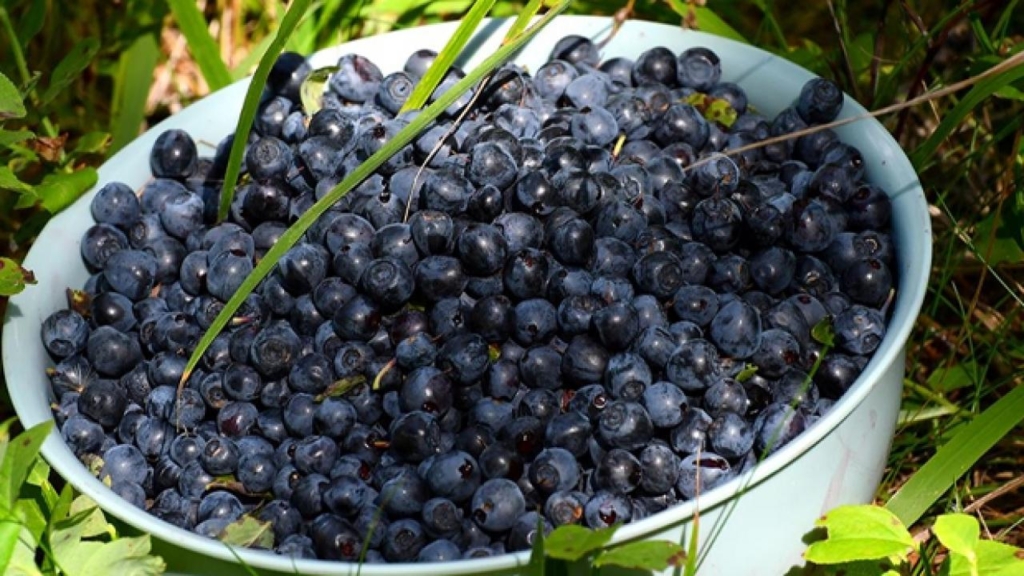

In the tranquil hills of Elmalı’s Karamık neighborhood, a bold agricultural transformation is taking root. What began as a modest experiment on 30 acres has quickly evolved into one of Türkiye’s most promising fruit cultivation ventures. Spearheaded by entrepreneur Sercan Koloğlu and his family, blueberry farming — or as it’s often called, “growing blue gold” — has officially found its place in the region’s soil, and its future looks anything but modest.
From Pilot Project to Agricultural Powerhouse
Back in 2023, Koloğlu planted his first blueberry saplings on a 30-acre plot, aiming to test both the region’s soil compatibility and the market’s response. The results exceeded expectations. Within just one year, the yields were strong enough to justify rapid expansion. By 2024, the farm had grown to a sprawling 200 acres, home to 80,000 blueberry plants.
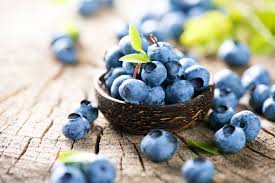
Often referred to as “blue gold” for both its nutritional value and market potential, the blueberry has become a symbol of modern agricultural opportunity in Türkiye. Koloğlu’s initiative isn’t just a personal business endeavor — it’s a pioneering model for high-value crop cultivation in a region historically focused on more traditional produce.
Exporting to Europe and the Middle East
Türkiye’s growing role as a food exporter is reinforced by ventures like this. Koloğlu notes that the farm’s blueberries are already being shipped abroad, primarily to the Netherlands and various countries across the Middle East. Domestically, the produce is sold through partnerships with major retail chains, introducing blueberries to more homes and encouraging regular consumption.
“In our first year, we achieved an average yield of 1.3 kilograms per plant, and this increased to 2 kilograms in the second year,” Koloğlu explains. “The demand from international buyers has been strong, especially in health-conscious markets. Our goal is to expand further and bring our blueberries to tables around the world.”
Health Food, Not a Passing Trend
What makes blueberries such an attractive agricultural product isn’t just their taste or shelf appeal — it’s their rising status as a superfood. While some crops boom temporarily due to food fads, Koloğlu believes blueberries are here to stay. “This isn’t a trend,” he says. “As people learn more about the health benefits, daily consumption will rise. To strengthen our market presence, we must act collectively and encourage more local producers to get involved.”
This vision of community-centered agriculture highlights the importance of scaling production. Koloğlu insists that a collective approach to farming and marketing will help local growers gain better access to international markets, stabilize prices, and ensure consistent quality — all critical factors in the competitive fruit export arena.
A Nutritional Powerhouse with Endless Benefits
Koloğlu is not only a grower but also an advocate for the fruit he cultivates. He passionately lists the health advantages of blueberries, emphasizing their role in a modern, balanced lifestyle. Blueberries:
Support heart and vascular health
Offer powerful antioxidant protection
Improve memory and cognitive function
Aid digestion and promote gut health
Help regulate blood sugar levels
Boost the immune system
Support healthy skin and strong bones
Accelerate recovery after physical activity
Potentially contribute to longer life expectancy
“These benefits aren’t just theoretical,” he says. “They’re backed by science and personal experience. That’s why blueberries deserve a permanent place in our diets — not just as an occasional snack but as a daily health habit.”
A New Agricultural Era for Elmalı
Elmalı, long associated with apple orchards and more traditional crops, is witnessing a quiet revolution. Blueberry farming is bringing innovation, new investment, and hope for a diversified agricultural economy. With rising land productivity and premium export prices, more local producers are expressing interest in transitioning to this lucrative crop.
Koloğlu envisions a future where Elmalı becomes one of Türkiye’s leading blueberry hubs. His project serves as a blueprint for how rural regions can tap into global health trends and adapt to evolving consumer preferences without abandoning their cultural roots.
Sustainability and Regional Growth
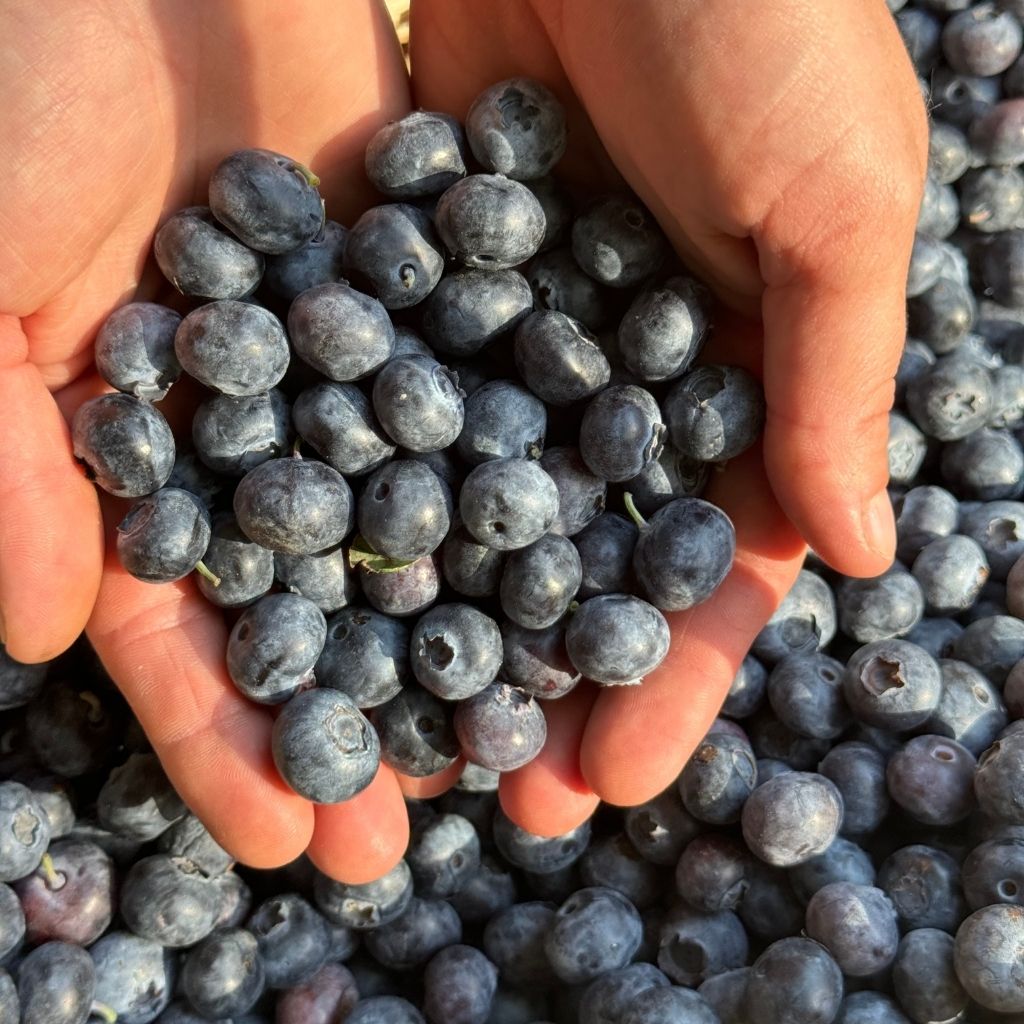
From a sustainability perspective, blueberries offer several advantages. They require less water than many other fruit crops, can be grown with organic methods, and have a long shelf life when properly handled. These factors make them ideal for long-distance export and environmentally conscious farming.
Koloğlu stresses the importance of integrating sustainable practices into expansion plans. “We want this to be a long-term investment — not just for us, but for the entire region. Our vision is based on high-quality production, responsible resource use, and strong partnerships with both buyers and local growers.”
Inspiring a Generation of New Growers
Beyond his own success, Koloğlu hopes to inspire a new generation of agricultural entrepreneurs in Türkiye. With careful planning, education, and support from agricultural agencies, he believes more young people can find rewarding careers in modern farming.
He emphasizes the need for accessible training programs, research into climate-specific crop varieties, and increased government support for exporters. “If we create the right ecosystem,” he says, “we can turn Türkiye into a major global supplier of high-value health foods like blueberries.”
What Lies Ahead
The future of blueberry farming in Elmalı — and across Türkiye — depends on continued collaboration, innovation, and belief in the land’s potential. As global markets look for new sources of organic, health-conscious produce, farms like Koloğlu’s are well-positioned to meet demand while revitalizing rural economies.
From the rolling hills of Elmalı to breakfast tables in Amsterdam and Doha, Türkiye’s blueberries are quietly making their mark. And as this blue gold continues to bloom, so does the promise of a healthier, more prosperous future.