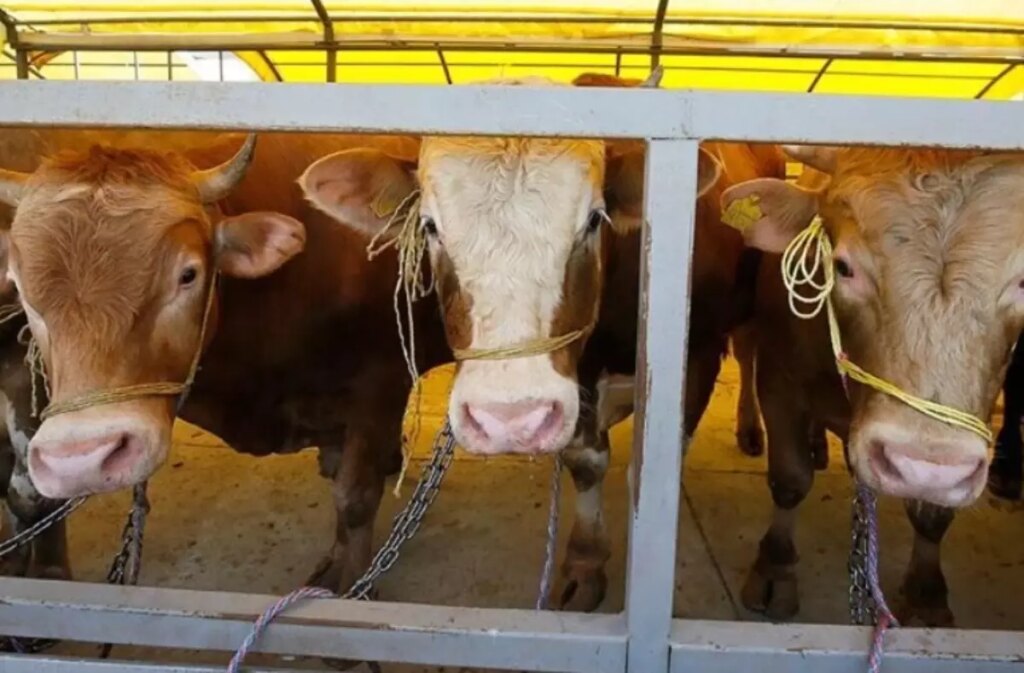

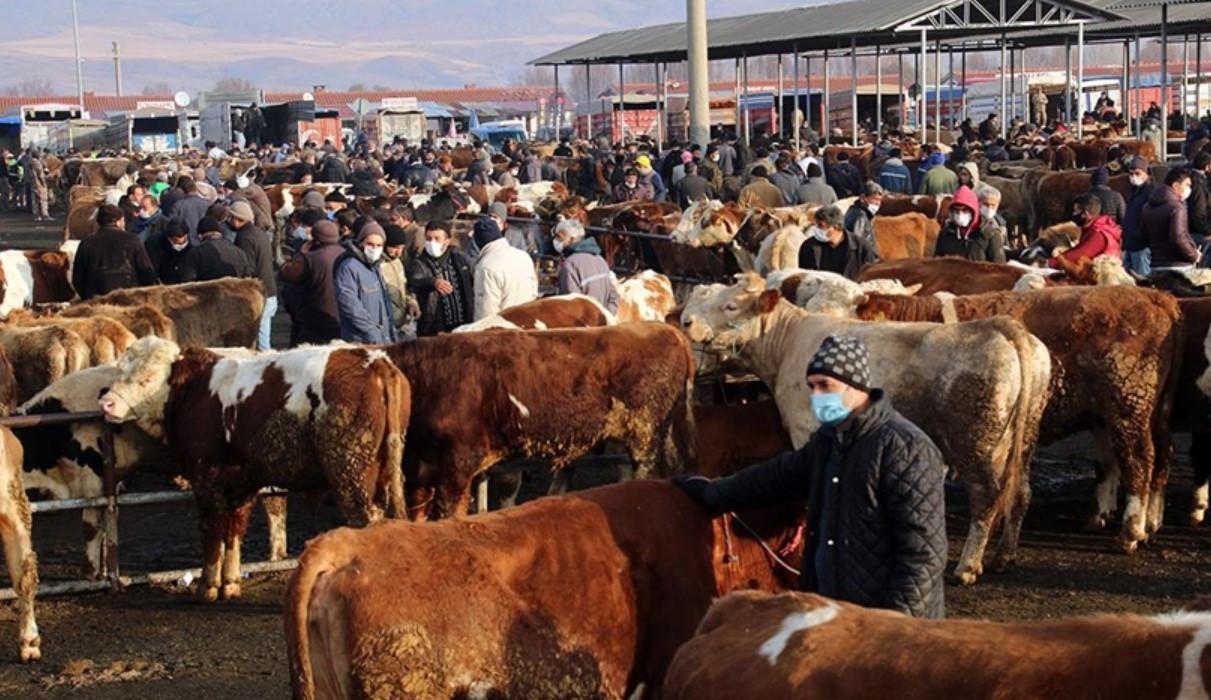
In recent months, livestock markets across Türkiye were temporarily shut down due to the outbreak of foot-and-mouth disease, specifically the SAT-1 strain. These closures caused widespread concern among farmers, livestock traders, and rural communities, particularly in the aftermath of Kurban Bayramı, a peak season for livestock trade. However, as vaccination efforts continue and health precautions intensify, the process of reopening these markets has begun on a regional, step-by-step basis.
Although uncertainty remains about the nationwide return to normal market activity, recent developments signal cautious optimism for the livestock sector. With high vaccination rates being the key metric for reopening, local agricultural authorities are carefully monitoring progress to balance public health and economic necessity.
Why Türkiye Shut Down Livestock Markets
The decision to halt livestock movement and close markets was prompted by the identification of the highly contagious SAT-1 variant of foot-and-mouth disease in several provinces. The disease affects both cattle and small ruminants, causing fever, mouth blisters, and lameness. Its rapid spread among animals makes it a significant threat to the agricultural economy and food security.
The Ministry of Agriculture and Forestry responded swiftly by restricting animal transportation and closing regional livestock markets. The main objective was to prevent further spread of the disease across provincial borders and protect both herds and human livelihoods.
Vaccination Rate as the Primary Reopening Condition
According to official statements, the main criterion for reopening livestock markets is achieving a local vaccination rate of at least 95 percent. This threshold ensures herd immunity among animals and significantly reduces the risk of further outbreaks.
Field teams from provincial and district agricultural directorates have been working around the clock to conduct mass vaccinations. In some provinces, vaccination campaigns have already surpassed 90 percent, prompting authorities to initiate reopening protocols for markets under strict health controls.
No National Timeline, Local Conditions Determine Reopenings
There is no single, unified schedule for reopening livestock markets across Türkiye. Instead, decisions are made at the provincial level, based on local risk assessments, vaccination coverage, and disease monitoring. This decentralized approach means that while markets may resume in one area, others may remain closed due to continued infection risks.
For example, a market in one province may open under full compliance, while a neighboring region continues to enforce closures due to lagging vaccination efforts or recent outbreaks. This variability highlights the importance of localized data and regional coordination.
Tightened Inspections in Reopened Markets
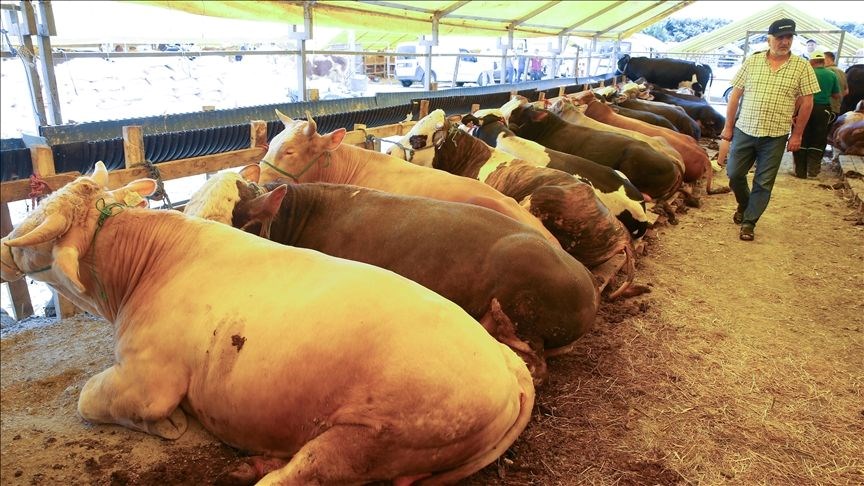
As markets reopen, authorities are implementing stricter controls to ensure that only healthy and vaccinated animals are traded. Entry checkpoints will require livestock to present up-to-date vaccination cards and veterinary health certificates. Animals that have not completed quarantine or lack proper documentation will be barred from entry.
This move is not only to contain any remaining disease risk but also to build public confidence in the safety of livestock transactions. Agricultural officials stress that these precautions are necessary to avoid a resurgence of foot-and-mouth disease and to maintain the health of Türkiye’s animal population.
Digital Systems Aid Monitoring and Transparency
To enhance disease monitoring and improve communication with farmers, Türkiye has rolled out digital tracking platforms for livestock movement. These systems allow producers to verify in real time whether a specific market is open or closed, the health status of their animals, and any active restrictions in their area.
Digital updates will be particularly useful in ensuring transparency and enabling farmers to plan their sales or purchases without confusion. Push notifications and updated dashboards will also help regional authorities disseminate critical information quickly.
Economic Disruption and Farmer Concerns
The closures dealt a significant economic blow to many farmers who rely on regular market activity to sell livestock. The interruption came at a particularly difficult time, as many producers were hoping to recover costs from Kurban Bayramı sales.
Without access to the formal market system, some livestock owners turned to informal sales channels, which introduced logistical challenges and lower profit margins. Others were forced to delay sales, resulting in higher maintenance costs and concerns about animal health.
Nevertheless, as vaccination rates increase and more provinces begin to lift restrictions, hope is returning. Farmers are optimistic that market reopenings will help them recoup some of their losses and restore stability to the rural economy.
Regional Strategies Show Positive Results
In several regions, proactive planning and coordination between local veterinary services, municipal officials, and farmer cooperatives have yielded quick results. Markets that reopened under strict protocols have so far not reported any major disease relapses, validating the cautious and phased approach adopted by the authorities.
Some municipalities have also introduced mobile veterinary teams to support on-site inspections and assist with documentation, making the process smoother for sellers and buyers alike.
Preparing for Future Disease Management
The recent outbreak and subsequent closures serve as a wake-up call about the importance of disease preparedness in Türkiye’s livestock sector. Experts argue that foot-and-mouth disease and other zoonotic threats require sustained investment in veterinary infrastructure, farmer education, and biosecurity measures.
Routine vaccination programs, early detection systems, and public awareness campaigns are essential to minimize disruptions in the future. Authorities are now reviewing long-term strategies, including the potential establishment of buffer zones and regional disease monitoring hubs.
Community Impact and Resilience
Livestock markets are not only centers for commerce but also vital social and cultural spaces in rural Türkiye. Their closure disrupted more than just trade; it affected community interaction, information exchange, and rural livelihoods.
As markets gradually reopen, many rural communities are working together to ensure compliance with new rules and support one another through recovery. Farmer unions and cooperatives have played an important role in distributing information and coordinating safe transportation for vaccinated animals.
The Path to Full Normalization
While progress has been made, full normalization across Türkiye’s livestock market landscape depends on sustained vaccination success and effective disease containment. Some experts estimate that nationwide stabilization may take several more months, depending on seasonal factors and interregional mobility.
Until then, market reopenings will proceed cautiously, monitored closely by health officials. Each region’s performance in controlling the disease will shape how quickly Türkiye can return to regular livestock trading activity.