
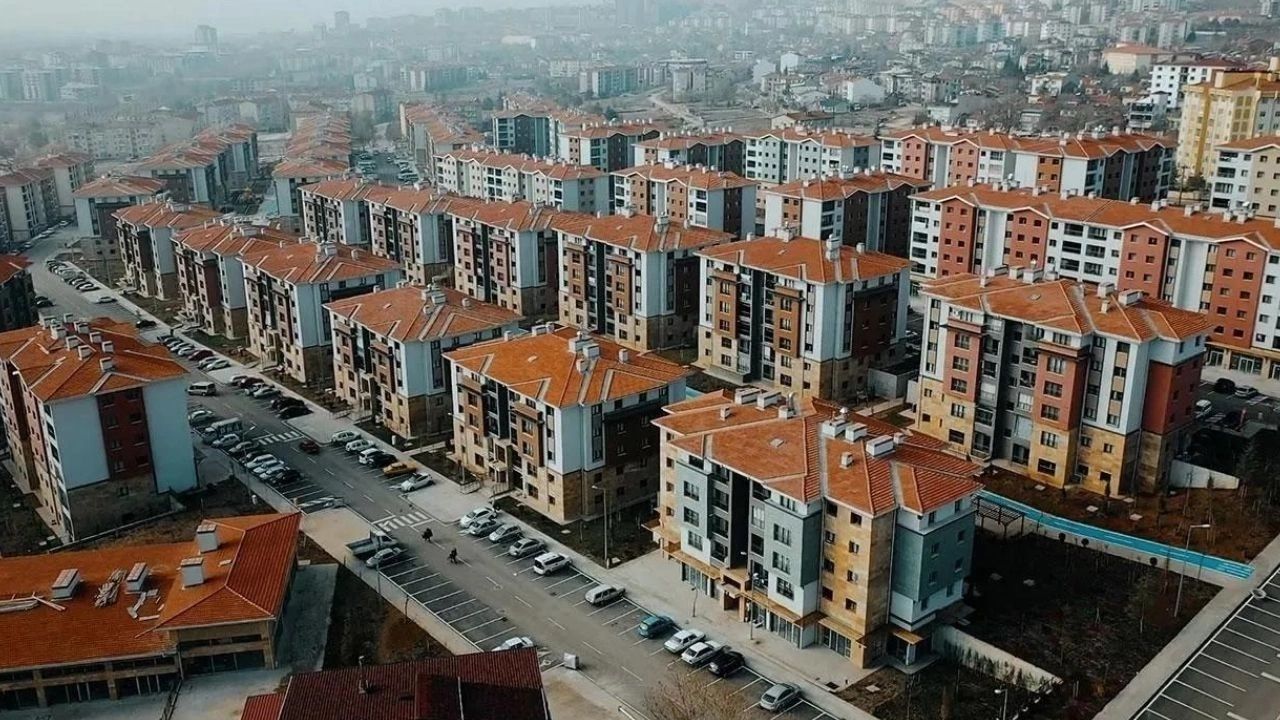
Türkiye’s housing sector is experiencing a powerful resurgence in 2025, with sales reaching historic levels. According to the Turkish Statistical Institute (TÜİK), between January and July, total home sales surged by 24.2% compared to the same period in 2024. A total of 834,751 properties changed hands during this timeframe, marking the second-highest number of home sales in Türkiye’s history—just behind the all-time record of 854,126 units recorded in 2020.
This growth has taken many by surprise, especially amid the ongoing high-interest environment. Yet, a mix of falling home prices, skyrocketing rents, and investor optimism appears to be fueling demand.
July Emerges as the Most Active Month of 2025
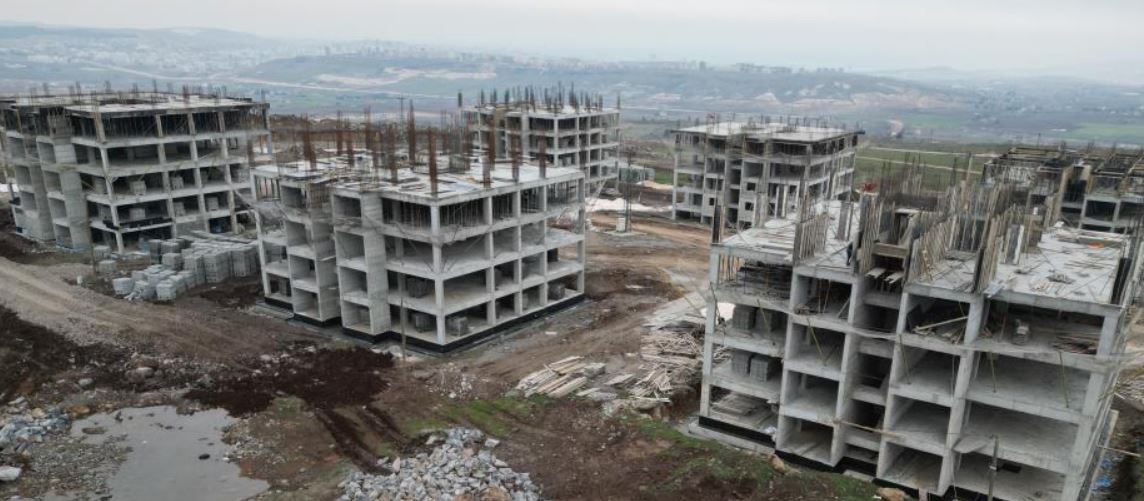
The peak came in July, which posted the highest monthly sales figure so far this year. Home sales reached 142,858 units, reflecting a 12.4% increase compared to July 2024. Among these transactions, 18,425 were completed with mortgage financing, indicating that 12.9% of the monthly total involved credit-backed purchases.
Even with interest rates remaining elevated, this rise in mortgage-backed sales shows a notable shift in buyer behavior, pointing to renewed confidence in long-term property investment.
Mortgage Sales Nearly Double Despite High Interest Rates
One of the most striking aspects of the report is the extraordinary increase in mortgage-driven purchases. In the first seven months of 2025, sales of mortgaged homes jumped by 93.2% year-over-year, reaching 121,515 units. This figure has caught the attention of market analysts, especially given that interest rates have yet to see significant downward movement.
Experts suggest that this behavior may stem from a widespread belief that rates have peaked and could begin to fall, encouraging buyers to act before financing becomes more expensive again.
Major Urban Centers Lead the Way
Türkiye’s three largest cities continue to dominate the housing market. From January to July, the following sales figures were recorded:
İstanbul: 139,635 units (growth of 16.73%)
Ankara: 75,093 units (growth of 9.10%)
İzmir: 49,679 units (growth of 5.95%)
These cities not only maintain their lead in total transactions but also show consistent year-on-year growth, highlighting their resilience and appeal to both individual buyers and institutional investors.
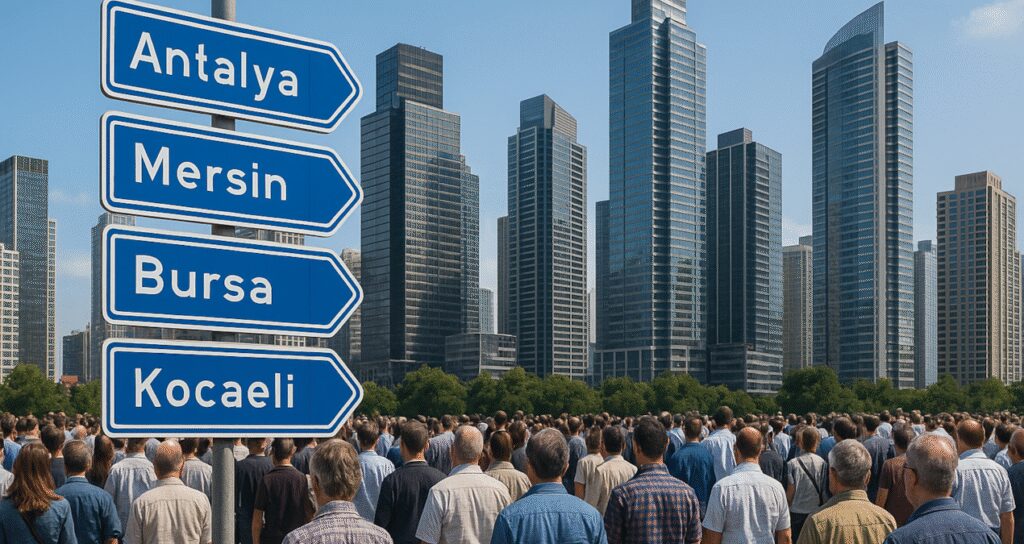
Top 10 Most Attractive Cities Beyond the Big Three
While the trio of İstanbul, Ankara, and İzmir remain central to the market, several other provinces are gaining traction among investors and homebuyers. The following ten cities recorded the highest home sales outside the big three:
Antalya: 44,813 units (5.37%)
Mersin: 29,519 units (3.54%)
Bursa: 28,362 units (3.40%)
Gaziantep: 22,330 units (2.68%)
Tekirdağ: 20,599 units (2.47%)
Kocaeli: 20,287 units (2.43%)
Konya: 19,686 units (2.36%)
Balıkesir: 19,063 units (2.28%)
Adana: 18,870 units (2.26%)
Kayseri: 18,504 units (2.22%)
These cities reflect a geographical diversification of investment and migration patterns within Türkiye, driven by both affordability and regional development incentives.
Falling Home Prices vs. Rising Rent: The New Dynamic
Despite rising demand, property prices in many areas are undergoing corrections. This inverse movement between home prices and rental costs has significantly influenced buyer behavior.
According to industry sources cited by Türkiye Gazetesi, many potential buyers are choosing to invest in property as an alternative to renting. The logic is clear: with rental rates climbing steadily, owning a home becomes a more stable and potentially more cost-effective long-term option.
Economic uncertainty and inflation are also prompting many households to shift their savings from traditional vehicles like gold or fixed deposits into real estate, which is perceived as a more resilient and inflation-hedged asset.
Desire for Ownership on the Rise Again
The cultural desire to move from renting to owning has regained strength. Market watchers note a renewed aspiration among the population to become homeowners, fueled by both financial strategy and emotional motivation.
This shift is not just limited to metropolitan centers. It is being echoed in secondary cities and even rural areas, particularly among younger families and mid-level investors. The perception that housing prices might be bottoming out is reinforcing this mindset.
What Could Keep Demand Alive?
Analysts suggest that if expectations for a decline in interest rates persist, and if rental prices continue to climb, the demand for home purchases could remain strong throughout the rest of the year and even into 2026.
Another critical factor is Türkiye’s evolving demographic profile. With a growing middle class, increased urbanization, and a surge in new household formations, the housing market is likely to benefit from structural tailwinds for the foreseeable future.
Meanwhile, developers are responding by launching new residential projects in both established and emerging markets, though many are proceeding cautiously due to cost pressures and regulatory considerations.
A Market Still Full of Opportunity
The 2025 real estate landscape in Türkiye showcases a complex but opportunity-rich environment. From major urban hubs to secondary cities, there’s clear momentum building. Mortgage availability, rental market dynamics, and investor sentiment are combining to shape one of the most vibrant property markets in recent years.
Despite challenges such as high borrowing costs, Türkiye’s housing sector appears to be riding a wave of demand driven by strategic purchasing behavior and a reevaluation of long-term investment priorities. If current trends hold, the remainder of the year could set the stage for even greater growth in the residential property sector.