
The ruins surrounding Van Castle in Türkiye are once again proving to be a treasure trove of historical insights. Once home to the mighty Urartians and later a settlement hub for civilizations such as the Ahlatshahs, Eyyubids, Ilkhanids, Anatolian Seljuks, Akkoyunlus, and the Ottoman Empire, the area now hosts a groundbreaking archaeological endeavor that is reshaping how we understand Türkiye’s layered past.
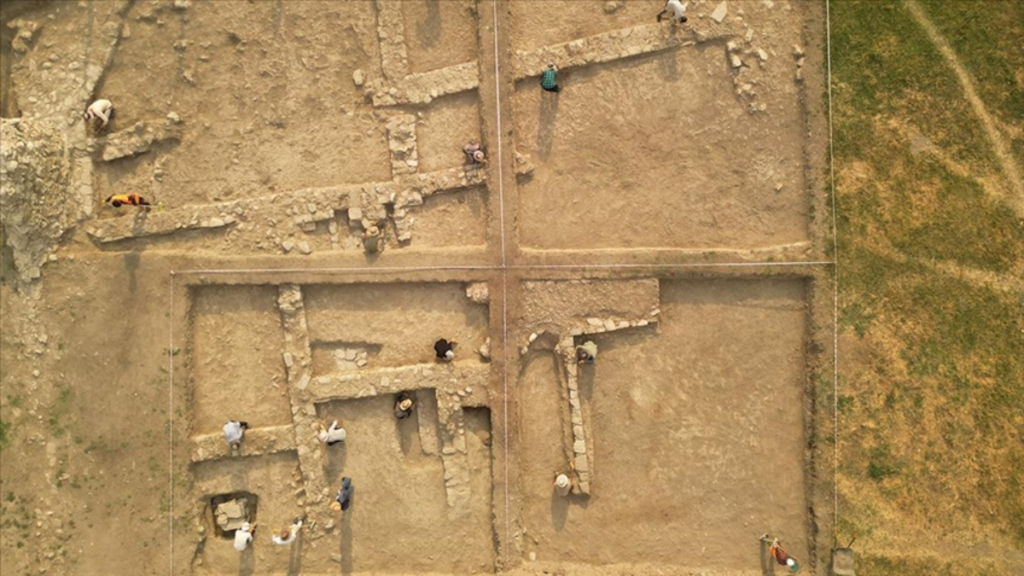
In recent excavations taking place on the southern side of Van Castle, researchers have unearthed structural remnants and artifacts that point to the existence of a massive Ottoman military barracks, estimated to be around 150 years old. This discovery sheds new light on the military, architectural, and socio-political presence of the Ottomans in eastern Türkiye.
Reviving the Past with Precision and Purpose
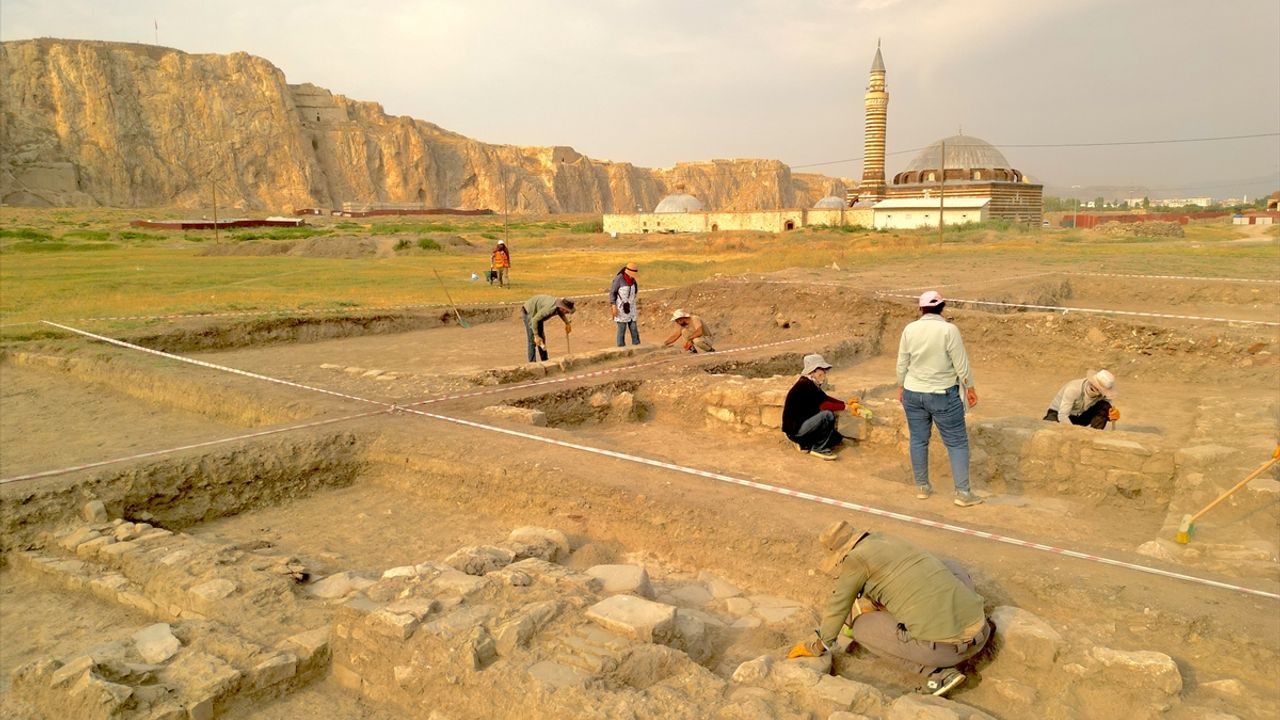
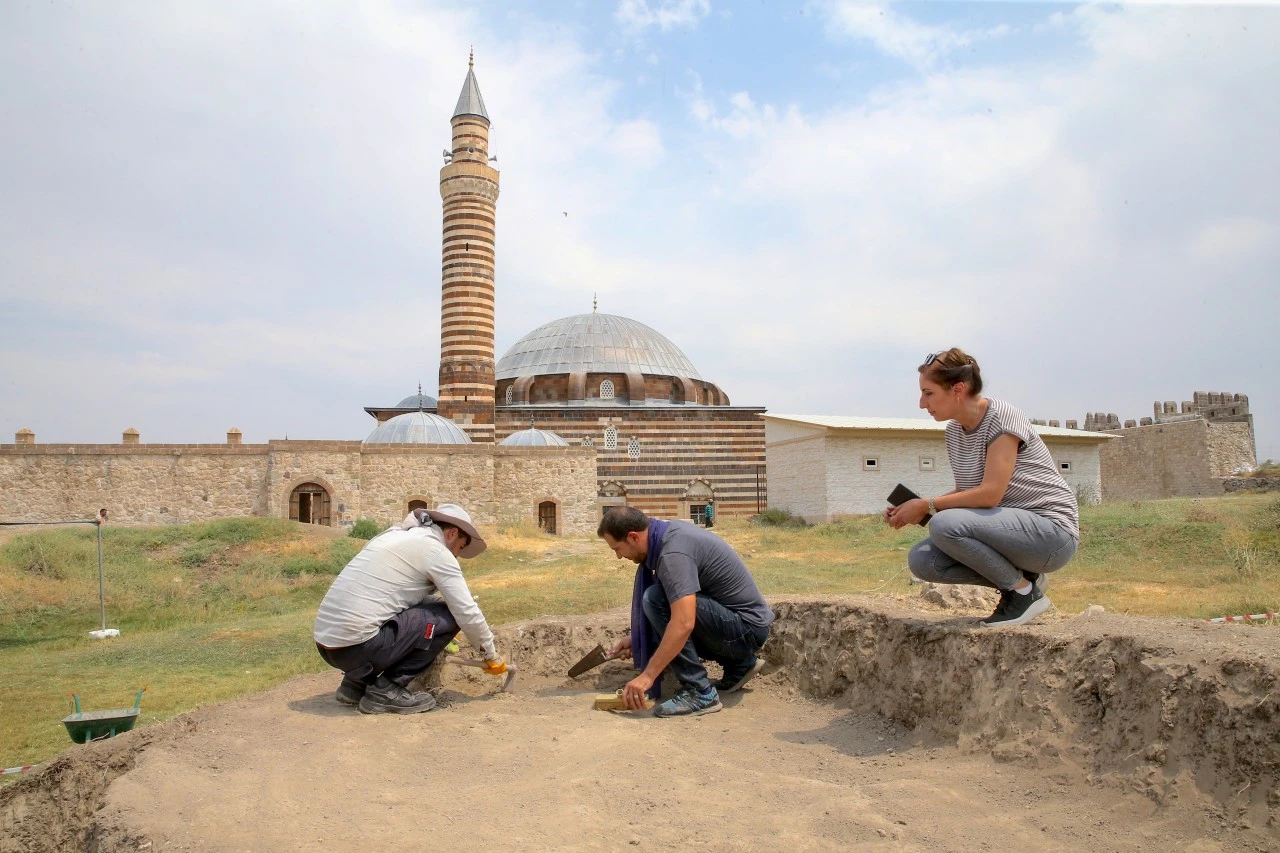
The excavation is led by Prof. Dr. Gülsen Baş Terzioğlu, an art historian from Van Yüzüncü Yıl University, under the official supervision of Türkiye’s Ministry of Culture and Tourism. A 20-member multidisciplinary team consisting of art historians, archaeologists, and historians began their meticulous work in 2022 and have since focused their attention on a 450,000-square-meter area known as the Old Van City.
What sets this season apart is the concentrated effort to unearth and analyze the remains of a once-prominent Ottoman-era barracks, believed to have been constructed between 1861 and 1876 during the reign of Sultan Abdülaziz—a period known for its ambitious military reforms. Historical documents and early photographs have long hinted at the existence of this military installation, but the recent findings offer the first physical proof of its magnitude and design.
Mapping a Forgotten Stronghold
Prof. Dr. Terzioğlu noted that the Ottoman barracks once covered an estimated 10,000 square meters, occupying a substantial section of the city’s southwestern quadrant. Archival images, including those compiled under the direction of Sultan Abdülhamid II, support these dimensions, displaying glimpses of the building’s architectural profile in historical albums.
During the dig, archaeologists reached depths of around 40 centimeters, revealing 35-centimeter-high stone-walled sections that hint at once clearly defined internal rooms. As the excavation team moved closer to Hüsrev Paşa Külliyesi, they encountered more refined cut-stone walls that likely formed part of the barracks’ main entrance.
Terzioğlu emphasized that as the dig progresses, researchers expect to further expose the layout, structure, and operational components of this lost military complex, offering an unparalleled view into the Ottoman Empire’s eastern defense strategy during its twilight years.
A Trove of Artifacts and Hidden Histories
Beyond structural remnants, the excavation has yielded a wide array of historical artifacts, including:
Bronze coins, offering economic and administrative clues
Bullet casings and grape shot fragments, pointing to the military use of the site
Tobacco pipes, indicating social and cultural habits of the time
Glazed and unglazed Ottoman ceramics, which help date the site and trace trade routes
Charred documents, which may contain crucial administrative or military information
Various metallic objects, potentially used in daily life or warfare
Each artifact undergoes careful classification, conservation, and documentation before being transferred to the Van Museum Directorate, where it will be further preserved and displayed for public knowledge.
Heritage Revival and Cultural Restoration
The excavation isn’t just about uncovering history—it’s also about reviving Türkiye’s cultural identity and reconnecting with its architectural legacy. The Ministry of Culture and Tourism is working to restore and preserve several other nearby landmarks, including:
Ulu Mosque
Kızıl Minaret
Abbasağa Mosque
Hüsrev Paşa Inn
Çifte Hamam (Double Bathhouse)
Miri Warehouse
Two historic churches
An ancient cistern
These projects aim to transform the area into a cultural tourism hub, attracting visitors not just for its scenic views of Lake Van and the imposing Van Castle, but for its profound historical depth that spans multiple civilizations.
The Erosion of History and the Urgency of Excavation
According to Terzioğlu, much of Van’s historic architecture was destroyed during the Armenian revolts of 1896-1897 and the Russian occupation, making what remains of Ottoman and Seljuk structures particularly rare. This context amplifies the significance of the current excavation, which is not only uncovering lost architecture but also piecing together a nearly obliterated chapter of Ottoman urban life.
The barracks site, in particular, offers a rare opportunity to study the intersection of military planning, architectural design, and regional governance during the 19th century—a period when the Ottoman Empire was grappling with both internal reforms and external pressures.
Toward a Deeper Understanding of Eastern Türkiye’s Legacy
The ongoing excavation is not merely about scientific curiosity; it’s a strategic effort to document and celebrate the diverse layers of Türkiye’s history—from the Urartians to the Ottomans. By investing in archaeological research and cultural preservation, Türkiye positions itself as a guardian of shared heritage that extends across religious, ethnic, and imperial boundaries.
With each stone unearthed and each artifact cataloged, the project brings new clarity to the complex narrative of Van—a city that has stood resilient for millennia.