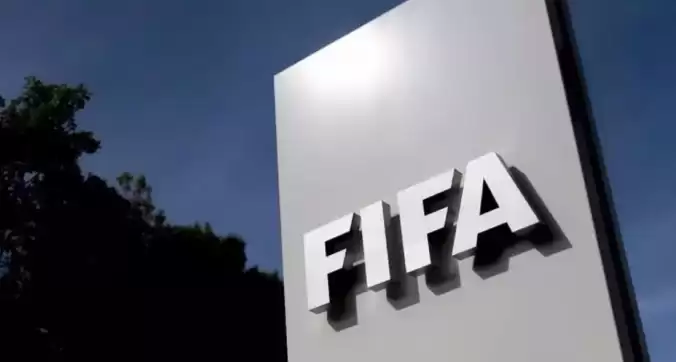

One of Türkiye’s prominent football clubs, Atakaş Hatayspor, finds itself in the middle of a growing crisis as FIFA officially announced a three-transfer window ban due to unresolved financial disputes and alleged regulatory violations. This penalty, highlighted in FIFA’s recent list of clubs temporarily barred from registering new players, marks a turning point in Hatayspor’s turbulent journey through Turkish football.
As the club grapples with relegation from the Trendyol Süper Lig, the ban only intensifies uncertainty over its competitive outlook and operational strategy. In this in-depth analysis, we’ll explore the background of the sanction, the team’s recent performance, the statistical trends behind their downfall, and what this decision could mean for fans and the future of football in Türkiye.
Financial and Legal Hurdles
FIFA’s disciplinary committee routinely investigates clubs accused of violating transfer and employment rules. Hatayspor’s inclusion in the latest blacklist stems from unresolved financial obligations—believed to be unpaid wages and contract breaches—as well as procedural violations in player registration.
While official details remain limited, sources close to the case indicate the club failed to honor its payment commitments to former players and agents. This contravention of FIFA’s Dispute Resolution Chamber rulings automatically triggered sanctions, including the inability to register new players for three consecutive transfer periods.
This kind of ban isn’t uncommon, but for a club already weakened by relegation, the timing couldn’t be worse.
A Story of Decline
Atakaş Hatayspor’s relegation from the Süper Lig in the 2023–2024 season was a major blow to fans and management alike. The club, once admired for its strategic play and resilience, finished in the bottom tier of the standings after a string of poor performances.
Key statistics from the season include:
Wins: 7
Draws: 10
Losses: 17
Goals Scored: 35
Goals Conceded: 58
Final Standing: 18th out of 20
These numbers underscore a season plagued by defensive weaknesses and inconsistency in front of the goal. Injuries to key players and managerial instability further eroded morale and tactical execution.
How the Transfer Ban Affects Squad Development
In professional football, transfer windows serve as vital opportunities to revamp a team’s roster, address gaps, and attract new talent. For Hatayspor, the inability to register any new players until the end of three full windows represents a critical setback.
The implications include:
No new signings until 2026
Heavy reliance on academy players and loanees returning from spells elsewhere
Difficulty in replacing outgoing or aging players
Increased pressure on existing squad members
The club’s technical staff must now focus on player development from within. This shift requires both resourcefulness and long-term planning—two elements that may not align with the urgent need to return to the top flight.
Has This Happened Before in Türkiye?
Türkiye’s football history is not unfamiliar with transfer bans. Several Süper Lig and 1. Lig clubs—including Bursaspor, Mersin İdmanyurdu, and Eskişehirspor—have suffered similar penalties over the last decade. In most cases, these clubs faced prolonged periods of instability, often resulting in further relegations or financial collapse.
However, some have rebounded through strict restructuring and local talent cultivation. Whether Hatayspor can replicate this path depends on its leadership’s willingness to adopt transparency, fiscal discipline, and a youth-centered vision.

Disappointment, but Not Defeat
The response from Hatayspor’s loyal fanbase has been a mix of frustration and resilience. Supporters took to social media to express concern over the club’s direction but also reaffirmed their commitment to stand by the team.
One fan group posted:
“This club has survived earthquakes, relegation battles, and now FIFA. If anyone can fight back, it’s Hatayspor. We are not giving up.”
This sentiment reflects the identity of Hatayspor—a team deeply embedded in the cultural and emotional fabric of Türkiye’s southern region, particularly after the devastating 2023 earthquakes in Hatay province, which severely impacted the club’s operations and infrastructure.
What Can Be Done?
To mitigate the effects of the ban and return to stability, Hatayspor needs a multi-pronged strategy:
Resolve Outstanding Disputes: Working proactively with FIFA to settle claims can shorten the ban or limit reputational damage.
Invest in Youth Development: Expanding the club’s academy program can yield short- and long-term returns, especially as new signings are off the table.
Transparency with Fans: Regular communication builds trust and ensures continued support from the local community.
Strategic Partnerships: Collaborating with other clubs for player loans and training facilities could ease resource constraints.
Moreover, the Turkish Football Federation (TFF) may play a supporting role by facilitating mediation and offering regulatory flexibility to ease Hatayspor’s transition.
Financial Discipline in Modern Football
Hatayspor’s situation serves as a cautionary tale for other clubs, both in Türkiye and globally. In an era of skyrocketing player fees, agent commissions, and wage inflation, sustainability is not just a buzzword—it’s a necessity.
FIFA’s increasingly strict enforcement of financial regulations reflects this shift. Clubs that fail to meet their obligations will face tangible consequences that affect sporting performance, public image, and investor confidence.
From Adversity to Opportunity?
While the current scenario appears bleak, there is also an opportunity for Atakaş Hatayspor to reimagine itself. The absence of external reinforcements could lead to the emergence of homegrown talent and foster a renewed connection between the club and its community.
Only time will tell whether Hatayspor can rise above this setback and reclaim its place in the Süper Lig. But one thing is certain: the road back begins with discipline, unity, and a bold commitment to change.