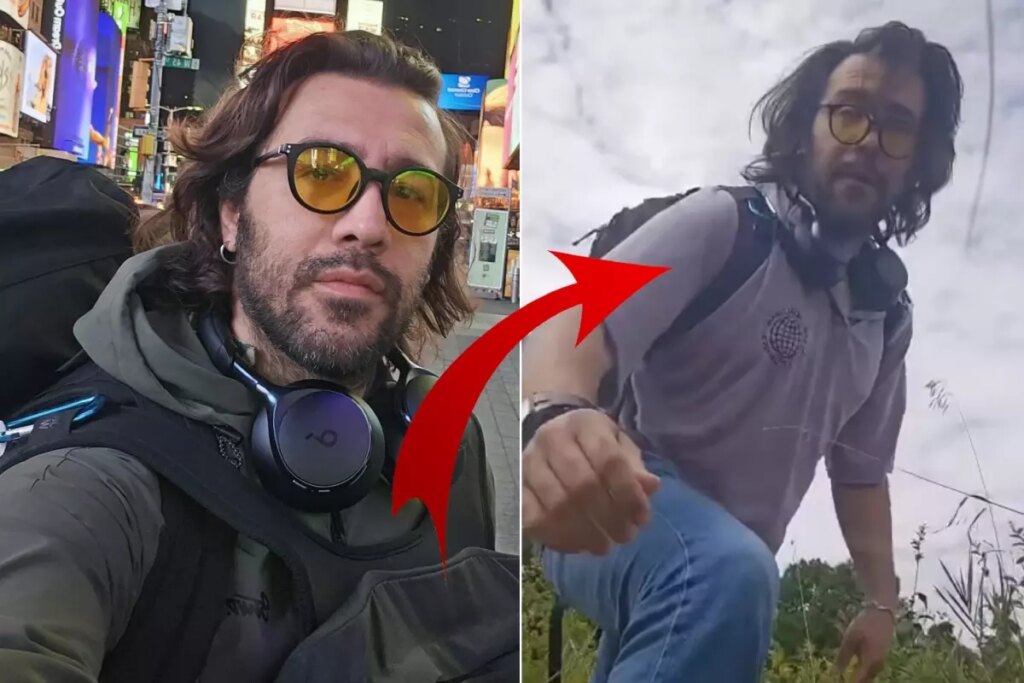

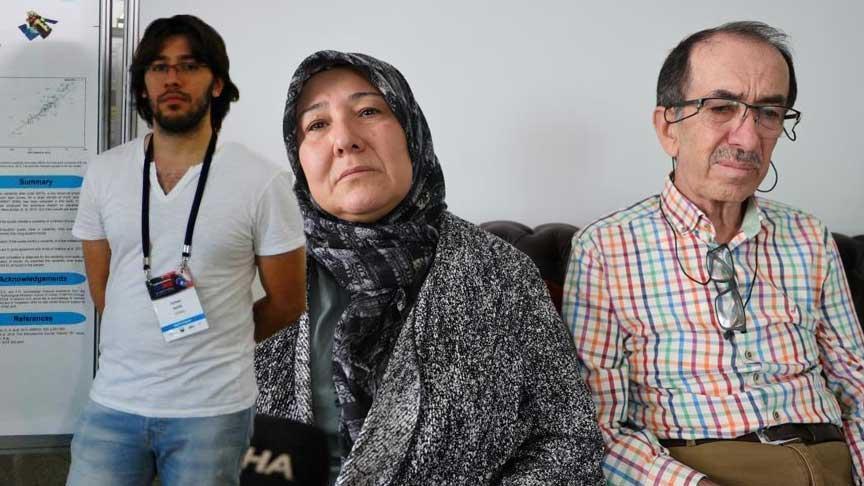
The family of Turkish physicist Dr. Furkan Dölek, known for his contributions to global scientific projects, has raised alarm after losing contact with him for four days. Living in Kozan, Adana, the Dölek family expressed deep concern over reports that their son was detained at the US-Canada border, urging international attention to his case.
A Career Dedicated to Science
Dr. Dölek’s academic and professional journey reflects a deep commitment to advancing physics. After completing his master’s degree at Çukurova University, he pursued his doctorate in Switzerland with the support of a Türkiye Atomic Energy Authority scholarship. His career path led him to some of the most prestigious research institutions in the world, including CERN in Switzerland and Fermilab in the United States, both central hubs for particle physics research.
In 2023, he accepted an invitation to join Virginia Tech University, where he continued his work in high-energy physics and collaborated on projects involving radiation events and experimental safety. His portfolio is substantial, with over 500 academic papers and more than 20,000 citations to his name, making him a respected figure within the global scientific community.
Allegations of Misconduct Reporting
According to claims made by those close to him, Dr. Dölek’s troubles began after he reported irregularities and security vulnerabilities at the laboratories where he worked. His decision to file reports with the US Department of Energy allegedly placed him under institutional pressure, leading to professional isolation and eventual dismissal.
Reports also suggest that his visa was canceled, and Virginia Tech declined to issue an official exit document, creating bureaucratic obstacles that further complicated his situation. These developments, according to his family, point to retaliation against a whistleblower whose findings might have posed challenges for powerful institutions.
The Border Incident
In a final attempt to draw international attention to his case, Dr. Dölek reportedly began a protest walk toward Canada. His journey was abruptly interrupted four days ago in the Mohawk region at the US-Canada border, where he is believed to have been taken into custody.
The last messages he shared publicly on social media painted a picture of both struggle and determination. Writing about having to abandon one of his bags, he described the emotional weight of leaving behind not just clothing but personal items of sentimental value. “Every time I leave something behind, I am reminded of the cost this fight has already demanded of me — and why I cannot stop,” he wrote.
Family’s Call for Help
Back in Adana, his mother, Zuhal Dölek, voiced her fears. Highlighting his extensive contributions to the field of physics, she emphasized that her son was being punished for speaking up about radiation-related irregularities. “He is a very valuable scientist. He reported security flaws and irregularities, and for that, he was targeted. While walking toward Canada, he was detained, and his phone and computer were confiscated. We only ask that he not remain unlawfully imprisoned,” she said.
Her appeal reflects not only a family’s anguish but also the broader concern of the scientific community, where whistleblowing remains both a moral duty and a professional risk.
A Symbolic Case for the Scientific World
Dr. Dölek’s story is more than an individual struggle. It raises critical questions about the treatment of scientists who expose flaws within major institutions. His situation highlights the fragile balance between scientific transparency, government interests, and institutional accountability.
Experts warn that cases like this can discourage researchers from reporting safety concerns, particularly in high-stakes environments such as nuclear and particle physics laboratories. The silence imposed by fear can have long-term consequences for both scientific integrity and public safety.
Broader Implications
The case also underscores the geopolitical complexities faced by scientists working across borders. In an era where knowledge transfer is both essential and politically sensitive, researchers often find themselves navigating not just scientific challenges but also diplomatic and legal minefields.
If confirmed, Dr. Dölek’s detention could further complicate academic relations between the US and its international partners. The case could also spark debates within Türkiye, where public opinion is likely to view the situation as part of a larger pattern of pressure exerted on Turkish scientists abroad.
Waiting for Clarity
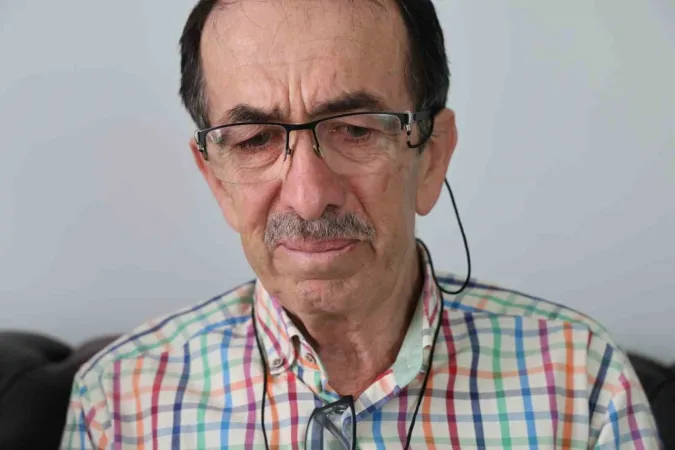
For now, many questions remain unanswered. Authorities have yet to provide an official statement confirming his detention, and the circumstances surrounding his situation remain murky. Supporters argue that transparency is urgently needed, not only to ensure his safety but also to protect the principles of scientific independence.
Until then, the Dölek family waits anxiously in Adana, clinging to the hope that their son’s case will attract enough attention to prevent him from becoming another forgotten voice in the complex intersection of science and politics.
Editor’s Note: The case of Dr. Furkan Dölek reflects the vulnerabilities faced by scientists who raise concerns about institutional practices. Beyond its human dimension, it underscores the need for greater protection of academic integrity worldwide.