

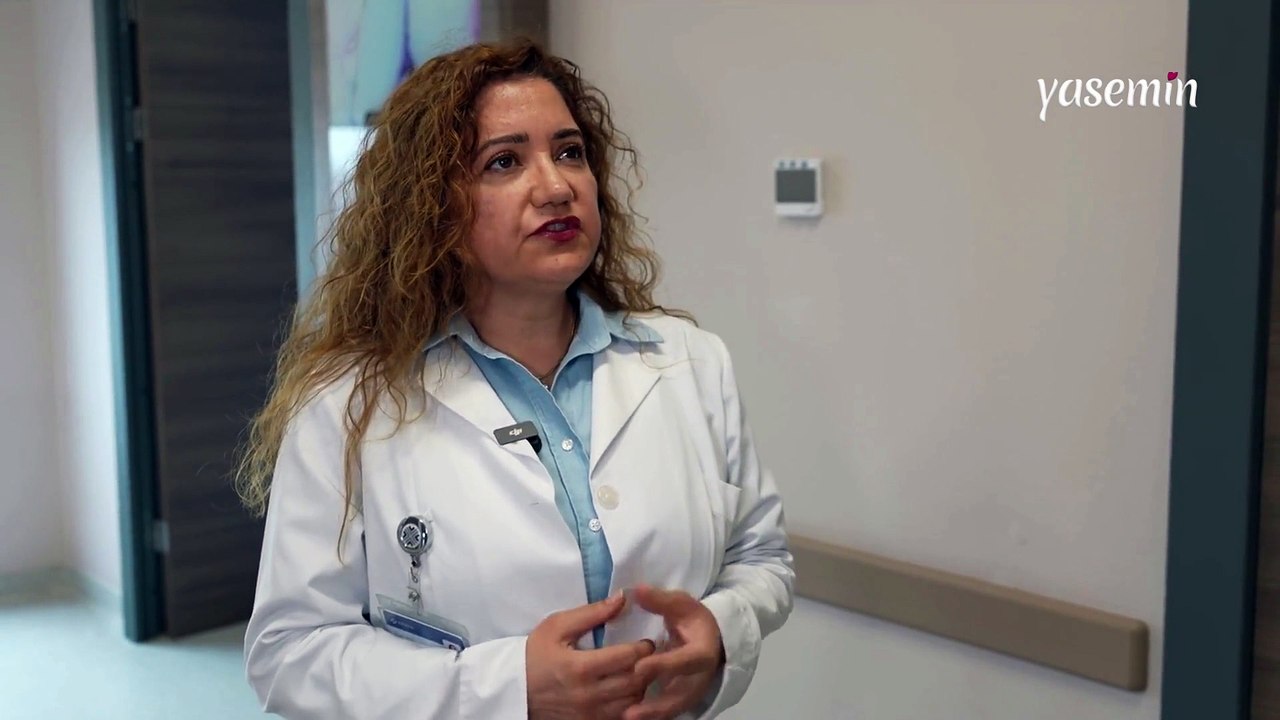
In-vitro fertilization (IVF) has become a cornerstone of reproductive medicine, offering hope to couples struggling with infertility. Yet despite the technological advancements and increasing availability of treatment, the success of IVF is never guaranteed. According to Associate Professor Aysun Fırat, a specialist in Obstetrics and Gynecology at Türkiye’s Medipol Health Group, multiple factors—both biological and lifestyle-related—can significantly influence the outcomes of IVF treatment.
Her insights shed light on how age, ovarian reserve, male fertility factors, and even daily habits can impact IVF success, underlining the importance of a personalized, patient-centered approach to fertility care.
Personalization Is Key to Treatment Success
According to Dr. Fırat, the cornerstone of successful IVF begins with individualized planning. “Every patient is different. IVF treatment must be tailored to each couple’s unique health profile, medical history, and fertility goals,” she explained.
Rather than following a one-size-fits-all protocol, modern reproductive medicine focuses on customized strategies that consider everything from hormonal balance to emotional readiness. This personalized model helps to increase the likelihood of a successful pregnancy while minimizing physical and emotional stress.
Why a Woman’s Age Is the Most Critical Factor
Among all variables, age remains the single most influential factor in IVF success. Dr. Fırat noted a steep decline in pregnancy rates after the age of 37. “For women under the age of 37, success rates are between 55 and 60 percent,” she said. “However, for women between the ages of 40 and 43, this figure drops to as low as 15 percent.”
This decline is primarily due to the quality and quantity of a woman’s eggs, both of which diminish with age. Older eggs are more likely to have chromosomal abnormalities, leading to reduced fertilization and implantation rates.
However, there is hope for older women who opt for preimplantation genetic testing (PGT). This procedure allows doctors to screen embryos for genetic issues before implantation, increasing the chances of successful pregnancy outcomes, even for women in their 40s.
Medical Conditions That Impact IVF Outcomes
Dr. Fırat also pointed out several medical conditions that can negatively affect IVF success. These include:
Blocked fallopian tubes (especially in cases of hydrosalpinx)
Severe endometriosis
Intrauterine adhesions
Among these, endometriosis is especially challenging, as it can diminish ovarian reserve and impact the uterine environment. Treating such conditions in advance can significantly enhance the chances of a successful IVF cycle.
Lifestyle Choices Can Make or Break the Journey
Beyond age and medical factors, lifestyle plays a vital role in reproductive health. Dr. Fırat emphasized that couples must reevaluate their daily habits before and during treatment. “Smoking and alcohol consumption are known to deteriorate both sperm and egg quality,” she stated.
To improve success rates, she advises patients to adopt a Mediterranean-style diet rich in vegetables, fruits, legumes, fish, and healthy fats. This diet not only supports hormonal balance but also reduces inflammation, which can interfere with fertility.
Regular exercise and maintaining a healthy body weight are also key. “Being underweight or overweight can disrupt ovulation and affect hormonal function,” Dr. Fırat explained. “Even modest weight loss in overweight patients has been shown to improve fertility outcomes.”

Past IVF Attempts and Infertility Duration Matter
Dr. Fırat also underlined that past IVF experiences and the duration of infertility can affect future success. Couples who have undergone several unsuccessful cycles or have been trying to conceive for many years may require more advanced diagnostic testing and therapeutic strategies.
In such cases, fertility specialists may adjust medication doses, change embryo transfer protocols, or recommend genetic testing to improve results.
Choosing the Right Clinic Makes All the Difference
Another critical aspect that often goes overlooked is the experience and expertise of the fertility clinic itself. Dr. Fırat strongly recommends that couples undergo treatment at well-established centers with proven success rates. “The knowledge and skill of the medical team can significantly impact every stage of the process, from ovarian stimulation to embryo transfer,” she emphasized.
Reputable clinics not only offer advanced laboratory technologies but also provide comprehensive support systems including psychological counseling, nutritional guidance, and post-treatment care.
Mental and Emotional Well-being Cannot Be Ignored
While medical data often focuses on clinical success rates, the emotional toll of IVF is just as important. Prolonged infertility and repeated failed attempts can lead to anxiety, depression, and relationship strain.
Experts suggest that emotional preparedness and support—whether through counseling, peer groups, or mindfulness practices—can enhance both mental health and physiological response during treatment.
“Fertility journeys can be emotionally taxing. Couples should feel supported not just medically but also psychologically,” Dr. Fırat advised.
Emerging Technologies Offer New Hope
Thanks to continuous advancements in reproductive technology, IVF is becoming more accessible and effective. Techniques such as time-lapse embryo imaging, vitrification (ultra-fast embryo freezing), and artificial intelligence in embryo selection are helping doctors make more informed decisions and increase success rates.
In Türkiye, medical centers like Medipol are at the forefront of integrating these technologies with personalized care plans, providing patients with globally competitive treatment options.
A Message of Hope for Aspiring Parents
Despite the many variables involved, Dr. Fırat offers a message of optimism to couples facing infertility. “Yes, IVF is a complex process with many influencing factors, but it also holds incredible promise. With the right preparation, the right team, and the right approach, dreams of parenthood can and do come true.”
Her advice to patients is clear: seek professional guidance early, stay informed, make healthy lifestyle choices, and above all, do not lose hope.
Looking Ahead
As fertility challenges become more common worldwide due to lifestyle changes and delayed parenthood, understanding the science and strategy behind IVF becomes increasingly important. Türkiye, with its growing network of advanced fertility centers, is playing a key role in offering high-quality care to both local and international patients.
For hopeful parents, knowledge is power. By taking an active role in their treatment journey and working closely with experts like Dr. Fırat, couples can significantly improve their chances of bringing new life into the world.