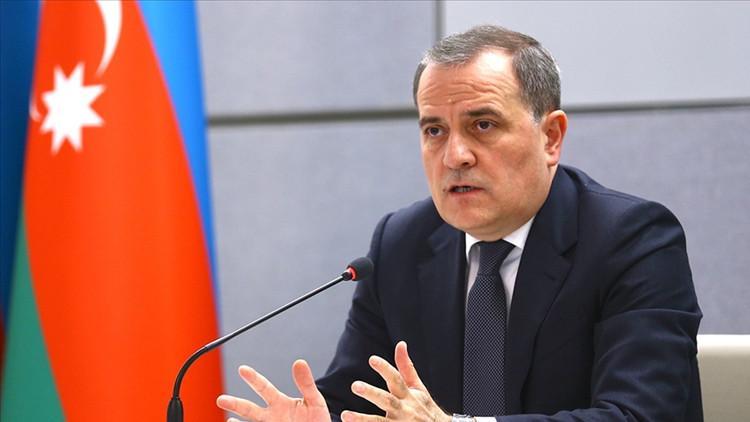

In a compelling display of diplomatic momentum, Azerbaijan and Somalia have reiterated their commitment to deepening bilateral and multilateral ties. Following one-on-one and delegation-level meetings in Baku, Azerbaijani Foreign Minister Jeyhun Bayramov and Somali Minister of Foreign Affairs and International Cooperation Ahmed Moalim Fiqi Ali held a joint press conference where they outlined ambitious plans for cooperation in energy, education, defense, and international diplomacy.
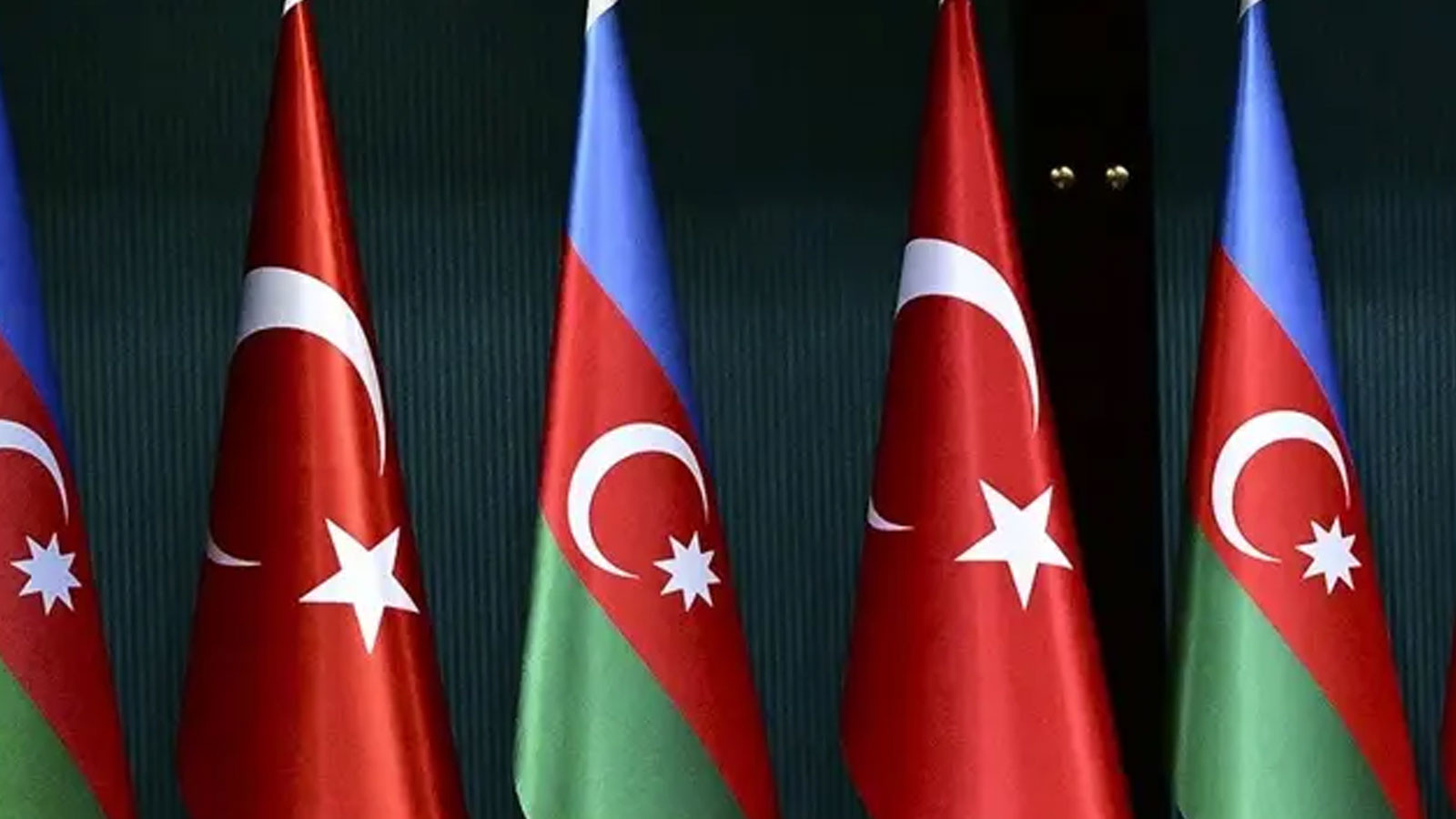
The statements reflect an evolving trilateral framework involving Azerbaijan, Somalia, and Türkiye, which is being shaped by shared interests across global platforms such as the United Nations, the Organization of Islamic Cooperation (OIC), and the Non-Aligned Movement.

Solidarity in Global Platforms and Shared Values
Minister Bayramov emphasized that relations between Azerbaijan and Somalia have gained noticeable traction in recent years, citing the mutual support exhibited on international platforms as a cornerstone of the growing partnership.
He specifically referenced the collaboration within global institutions such as the UN and the Non-Aligned Movement, where both countries have consistently supported each other’s strategic positions. Bayramov also highlighted Somalia’s long-standing membership in the OIC Contact Group, established to address Armenia’s aggression against Azerbaijan.
“Somalia has for years stood by us within the Organization of Islamic Cooperation. In return, Azerbaijan supports Somalia’s territorial integrity and sovereignty,” Bayramov stated.
These expressions of solidarity signal a mutual recognition of national struggles and resilience—values that often bind nations from different continents through shared diplomatic goals.
Türkiye’s Strategic Role in the Emerging Tripartite Partnership
Another critical component of the discussions was the role of Türkiye, a nation deeply connected with both Azerbaijan and Somalia. Bayramov noted that Türkiye and Somalia enjoy a strong and multi-dimensional relationship, and that Azerbaijan’s strategic alliance with Türkiye opens the door for tripartite cooperation in areas such as energy, education, and natural resource development.
“Given the strategic partnership between Azerbaijan and Türkiye, possibilities for joint projects involving all three nations were thoroughly discussed,” Bayramov added.
Türkiye has played a prominent role in Somalia’s development over the past decade, particularly in humanitarian assistance, infrastructure building, education, and defense training. Now, with Azerbaijan entering the equation, a new diplomatic triangle appears to be emerging.
Energy and Agriculture as Pillars of Economic Cooperation
Somali Foreign Minister Ahmed Ali expressed gratitude for Azerbaijan’s contributions to Somalia’s energy and petroleum sectors, areas that are vital to the East African nation’s economic recovery and long-term sustainability.
Ali noted that Somalia also brings unique value to the table. With deep expertise in agriculture, Somalia is seeking to expand collaboration with Azerbaijan in agri-technology, food security, and land management.
“We aim to develop joint initiatives with Azerbaijan in agriculture, an area where we hold rich experience,” Ali stated.
The ministers emphasized the importance of leveraging each nation’s comparative advantages to develop cooperative economic strategies that yield mutual benefit.
Education as a Long-Term Investment in Bilateral Ties
Minister Ali also commended Azerbaijan for offering educational opportunities to Somali students, particularly in science and engineering fields that align with Somalia’s future development needs.
These students, currently studying in Azerbaijani institutions, are expected to play a significant role in natural resource exploration and scientific advancement upon their return. Educational cooperation thus serves not only as a soft-power tool but also as a concrete investment in long-term bilateral development.
“Students from Somalia who are being trained in Azerbaijan today will contribute to our energy and mineral research sectors in the future,” Ali noted.
Defense and Security Cooperation Expanding Steadily
One of the less publicly discussed yet equally important aspects of the Azerbaijan-Somalia relationship is the growing cooperation in defense and security. Minister Ali mentioned that the two countries have already begun exchanging expertise in these fields and plan to deepen joint efforts to combat regional threats and enhance border protection capabilities.
The mention of defense ties highlights a significant geostrategic alignment, especially considering Türkiye’s established defense collaborations with both nations. From military training to counterterrorism support, this triangle may evolve into a stabilizing influence in both the South Caucasus and the Horn of Africa.
Trilateral Potential for Natural Resource Development
The most forward-looking proposal came in the form of joint collaboration in natural resource discovery and management. Somalia, rich in untapped oil, gas, and mineral deposits, is seeking strategic partners to assist in exploration and development.
Minister Ali expressed optimism that Türkiye, Azerbaijan, and Somalia could collectively contribute to these efforts through their complementary capabilities—technical expertise from Azerbaijan, strategic presence and investment from Türkiye, and resource potential from Somalia.
“It is possible for Türkiye, Azerbaijan, and Somalia to work together in the discovery and management of Somalia’s natural resources,” Ali stated.
This trilateral cooperation has the potential to transform Somalia’s energy landscape while creating new economic links between the three countries.
Strengthening South-South Cooperation through Diplomacy
The Azerbaijan-Somalia meeting serves as a clear example of how nations in the Global South can strengthen ties independently of traditional geopolitical power centers. By building bridges based on mutual respect, shared interests, and South-South cooperation principles, Azerbaijan and Somalia are showcasing a model for sustainable diplomatic engagement.
Their collaboration, bolstered by Türkiye’s historical and strategic role, reinforces a trend toward multi-actor diplomacy, where emerging regional powers create their own frameworks for development and security.
A New Diplomatic Chapter Built on Trust and Opportunity
The joint press conference in Baku marks more than a ceremonial exchange of words. It reflects a deeper realignment of diplomatic priorities across Africa, the Middle East, and the Caucasus.
With Azerbaijan’s resource expertise, Somalia’s developmental potential, and Türkiye’s stabilizing influence, this emerging alliance offers not only hope for economic growth but also for shared security, cultural exchange, and international solidarity.
As global dynamics shift, partnerships like this one will likely become more common—and more influential—in shaping the future of global governance.