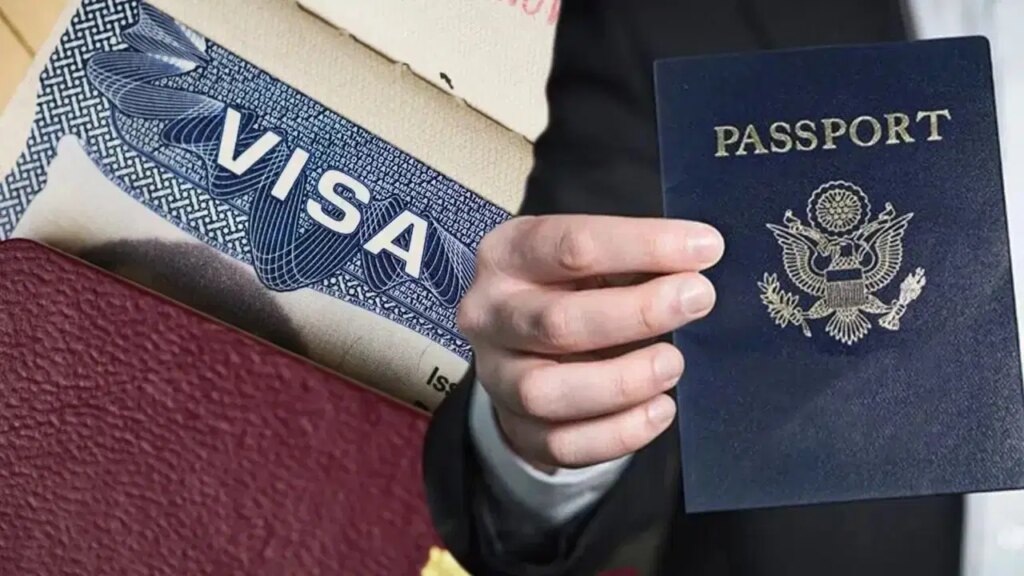

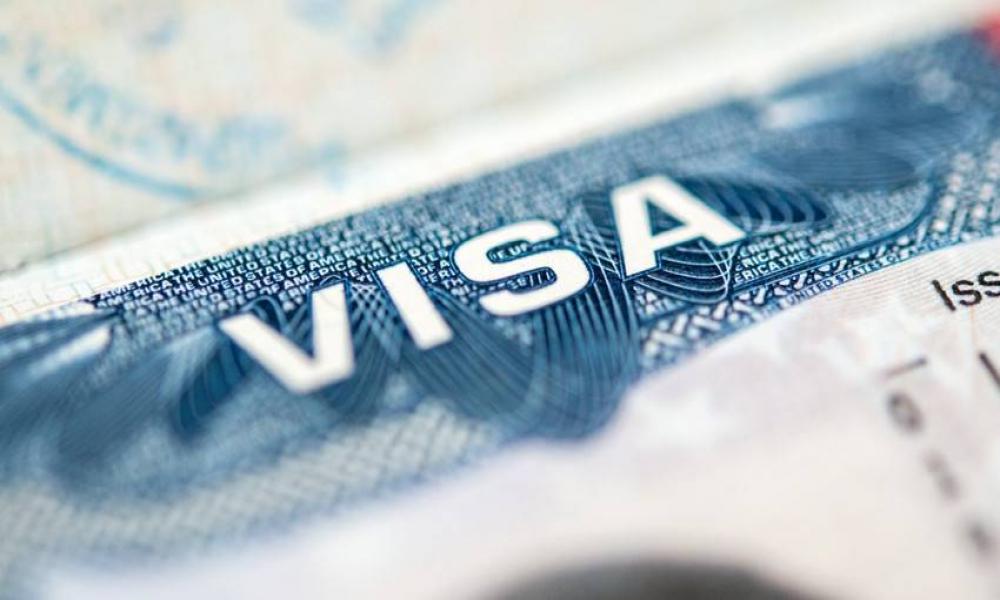
Starting October 1, millions of travelers planning to visit the United States will be met with a significant cost increase. As the new fiscal year begins, a new visa fee regulation—backed by the US Congress—will raise the cost of non-immigrant visa applications by a record amount. Under the newly passed “One Big Beautiful Bill Act,” a mandatory additional charge of $250 will be applied to standard tourist visa applications.
This increase brings the total cost of the popular B1/B2 visa, previously priced at $185, to $435 per person. That marks a staggering 135 percent rise, pushing the United States into the ranks of the world’s most expensive visa-granting countries.
An Expensive Barrier for Families and Group Travelers
The most immediate impact of the fee hike will be felt by families planning vacations to the US. A typical household of five would now need to spend over $2,000 just on visas—before factoring in flights, accommodation, and other travel-related expenses.
This pricing barrier could deter many middle-income families, especially from regions like Türkiye, South Asia, or Latin America, who may choose alternative destinations where visa fees are lower or waived altogether. For many, the cost now outweighs the appeal of visiting the US.
High Costs May Undermine Global Participation in Major Events
The timing of the increase may also create complications for upcoming international events. With the United States set to host the FIFA World Cup in 2026 and the Los Angeles Olympics in 2028, thousands of athletes, fans, and organizers—particularly from developing nations—may find the elevated visa fees to be an obstacle.
Experts warn that such a financial burden could hinder global representation, inclusivity, and equal access to these international gatherings. For sports federations and NGOs supporting athletes from low-income countries, this increase presents a new logistical and financial challenge.
Disproportionate Impact on Low-Income Countries
While citizens of countries under the ESTA program remain unaffected by the fee hike, others—particularly those from countries without visa waivers—face a disproportionate burden. Türkiye, along with most nations in Asia, Africa, and South America, will be required to comply with the new pricing structure.
The added cost creates an inequality in global mobility, where access to the United States becomes more about income level than security screening. This contrasts with the current global movement toward making travel more accessible and inclusive.
Reciprocity and International Reactions
Visa systems often operate on the principle of reciprocity, where countries adjust their own visa rules in response to changes by others. The US decision to raise its non-immigrant visa fees is already sparking conversations globally.
The European Union has announced plans to increase the fee for its ETIAS travel authorization system for US citizens—from $7 to over $20 by 2026. Analysts suggest this could be just the beginning of a series of reciprocal measures around the world, particularly from countries that already have tense diplomatic or trade relations with the US.
Tourism and Economic Ramifications
The US travel and tourism industry, already recovering from pandemic-induced disruptions, may not benefit from this change. According to the US Department of Commerce, international travelers brought in $212 billion to the American economy in 2023 alone. Tourism contributes over 3 percent to the nation’s GDP.
By raising visa costs, the US could lose competitive edge to other countries actively working to attract tourists. China, for example, welcomed 132 million tourists in 2024 and earned more than $94 billion in tourism revenue. Unlike the US, China is implementing streamlined visa processes and easing travel barriers to increase footfall.
Countries like Thailand, Malaysia, Türkiye, and the UAE have also reduced visa requirements or introduced digital e-visa systems to attract travelers. In this context, the US move appears counterintuitive and potentially harmful to its own tourism-driven sectors.

The Bigger Picture: Tourism as a Soft Power Tool
Beyond economics, tourism serves as a tool for diplomacy and cultural exchange. Making access more difficult risks reducing the flow of ideas, relationships, and understanding between nations. For students, researchers, and cultural visitors, costlier US visas may discourage important academic and personal exchanges.
Moreover, for diaspora families—especially those with ties to Türkiye, India, or Nigeria—the elevated costs could reduce visits, affect reunions, and limit intergenerational bonding.
What Travelers Need to Know Now
If you’re planning a trip to the US after October 1, here’s what to expect:
New Tourist Visa Fee: Total cost increases to $435 per applicant
Families Face Bigger Bills: Five-member households could pay over $2,000 in visa fees
Time-Limited Application Windows: Submitting your application before October may help avoid the new charge
Non-ESTA Countries Affected: Travelers from Türkiye and most Asian, African, and South American nations must comply
No Impact on ESTA Nations: Travelers from the 40 visa waiver countries remain exempt from the additional charge
Planning ahead and checking updated requirements through official embassy or consular websites can help mitigate surprises.
Public Sentiment and Criticism
Reactions to the new law have been swift and mixed. While some US lawmakers defend the change as a revenue necessity or security measure, critics argue that it sends the wrong message at a time when global diplomacy, openness, and soft power should be nurtured.
Travel bloggers, tourism agencies, and visa consultants warn that this may shift travel preferences toward more welcoming and cost-effective countries. Social media platforms have seen increased chatter about choosing alternative destinations such as Japan, South Korea, Türkiye, or European countries with less bureaucratic hurdles and cheaper visas.
A Possible Shift in Global Tourism Trends
As travelers weigh their options, the future of global tourism may be shaped in part by such policy shifts. If major events like the Olympics or the World Cup see reduced attendance from lower-income nations, the impact could extend to sponsorships, media coverage, and public perception.
Countries that adjust quickly to meet travelers’ needs—offering flexibility, affordability, and transparency—are likely to benefit most in the coming years. The United States, long considered a dream destination, may need to reconsider whether high fees align with its broader strategic goals in international tourism and cultural influence.