
A recent report by Eko Etki, a consultancy firm specializing in corporate sustainability, green finance education, and environmental reporting, has sparked meaningful discussion around the environmental toll and transformation needs of the battery industry. Titled the Battery Sector Sustainability Outlook 2025, the report emphasizes the pressing challenges and promising opportunities that lie ahead—especially for Türkiye—as the European Union moves forward with stringent new regulations aimed at creating a greener battery supply chain.

A High Carbon Footprint Industry Under Scrutiny
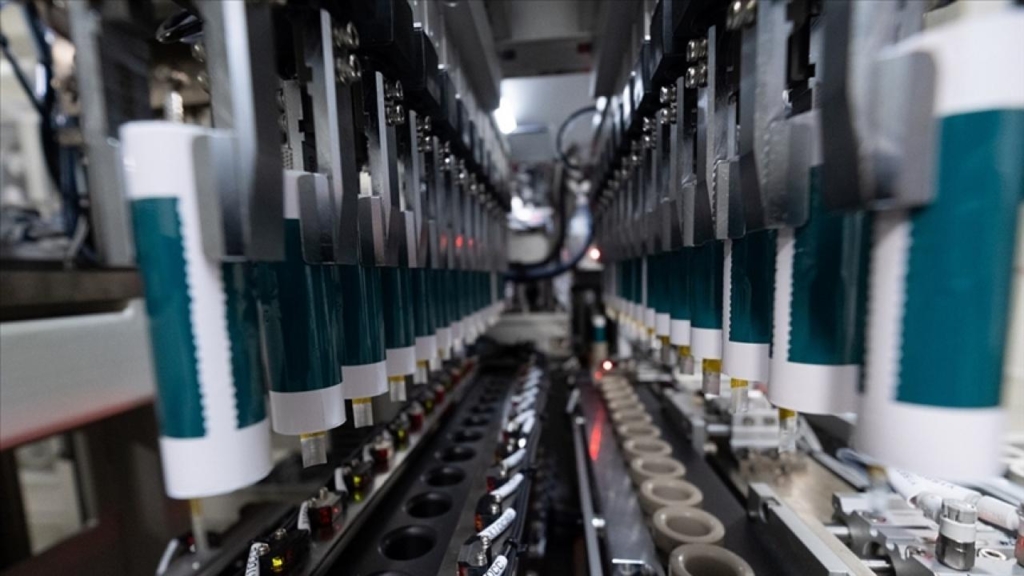
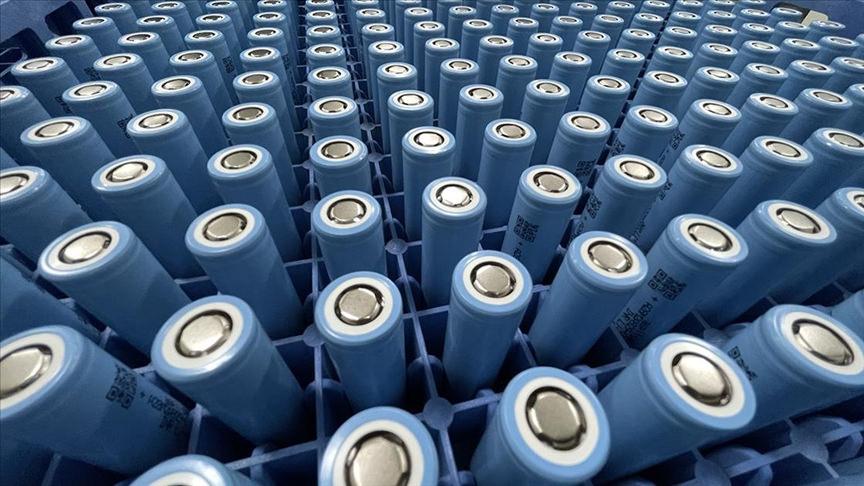
According to Eko Etki’s findings, battery manufacturing, particularly in the cell and cathode production stages, demands significant energy and leaves behind a sizable carbon footprint. These stages are energy-intensive and contribute heavily to environmental degradation across the battery’s life cycle.
The report draws attention to three primary structural weaknesses within the sector:
the sourcing of critical raw materials,
the lack of efficient recycling infrastructure,
and underdeveloped waste management practices.
As the electric vehicle revolution accelerates globally, these structural gaps have evolved into critical transformation points that Türkiye and other supplier nations must address if they are to remain competitive and relevant in the global supply chain.
EU Battery Regulation and Digital Product Passports Reshape the Industry
The European Union has introduced game-changing regulatory frameworks like the EU Battery Regulation and the CIRPASS Digital Product Passport (DPP), which collectively aim to transform every stage of a battery’s life—from raw material sourcing to end-of-life recycling. These measures place heightened emphasis on carbon tracking, traceability, ethical sourcing of critical materials, and transparent supply chain management.
In this evolving regulatory landscape, countries outside the EU, including Türkiye, are compelled to align their domestic legislation to ensure seamless exports and secure investor confidence. Failure to comply could result in barriers to entry for European markets, whereas full alignment could open doors to increased foreign investment and longer-term strategic partnerships.
Türkiye’s Role as a Strategic Supplier Is Under the Spotlight
Sustainable finance expert Yunus Emre Ertoş highlighted to local media that the EU Battery Regulation introduces a holistic framework that spans battery design, production, use, reuse, and recycling. According to him, this integrated structure redefines how the industry operates at every level.
Ertoş also pointed to the Critical Raw Materials Act as a cornerstone of these changes, noting that materials such as lithium, cobalt, and nickel are now subject to stricter extraction, processing, and recycling requirements. These rules are designed to promote the sustainable and responsible use of high-impact resources while fostering circularity in the battery economy.
He further emphasized that manufacturers will soon be mandated to perform lifecycle assessments (LCAs), carbon footprint calculations, and water footprint analyses as part of their environmental due diligence.
Clean production, particularly through energy-efficient technologies, stands at the heart of this transformation. Companies that pivot toward cleaner production methods will be better positioned to meet EU compliance standards while simultaneously reducing environmental harm.
Opportunities and Risks for Türkiye in the EU Battery Market
As the EU intensifies efforts to reduce dependence on external suppliers for critical raw materials, Ertoş explained that Türkiye faces a dual-edged reality. On one hand, the EU is investing in domestic mining, processing, and recycling operations to boost self-reliance. This could shrink the bloc’s reliance on external imports, thereby pressuring Türkiye’s share of the market.
On the other hand, Turkish firms that adopt high sustainability standards, transparent supply chains, and innovative production models could solidify their status as preferred EU suppliers. Türkiye’s geographical proximity, industrial capability, and strong trade relations offer significant advantages—provided the country can meet rising expectations in environmental compliance.
Battery Recycling and Second-Life Applications Take Center Stage
Sustainability consultant Cansu Melis Aksu provided further insight into Türkiye’s position in the global battery ecosystem, noting that battery recycling and second-life applications have become essential. She stated that as electric vehicles become more prevalent, the sustainable management of end-of-life batteries will carry enormous economic, ecological, and social implications.
In Türkiye, battery recycling is already addressed under existing legislation, but Aksu called for broader support. According to her, Türkiye’s national priority should focus on expanding collection infrastructure, establishing public-private partnerships between municipalities and industry players, and investing in R&D for second-life battery applications.
Developing legislation that mirrors EU directives, Aksu emphasized, is not only vital for smooth export processes but also for maintaining the confidence of international investors looking to enter or scale operations in Türkiye.
Cleaner Production Technologies for Long-Term Efficiency
Aksu also outlined practical strategies for transforming battery production through clean technologies. She cited various tools that can significantly reduce energy and water consumption, including:
Waste heat recovery systems
Process optimization and industrial automation
Water reclamation and treatment infrastructure
Renewable energy integration
Digital monitoring for operational efficiency
These innovations not only serve the environment but also offer long-term economic value. When executed properly, they bridge the often-perceived divide between sustainability and profitability.
The Role of Policy, Incentives, and Knowledge Transfer
To ensure clean production technologies are adopted on a wide scale, Aksu stressed the importance of coherent national policies and effective incentive mechanisms. She also called for simplified access to these technologies for small and medium-sized enterprises (SMEs), who often lack the resources for large-scale transformation.
Adaptation of internationally successful practices, she noted, could help accelerate Türkiye’s shift toward a sustainable production culture. By promoting case studies, pilot projects, and knowledge-sharing platforms, both public and private sectors can contribute to a thriving green manufacturing ecosystem.
Aksu concluded that this holistic approach, if implemented effectively, could simultaneously elevate Türkiye’s economic performance and support its environmental commitments.
Moving Forward: Türkiye’s Competitive Edge Lies in Sustainability
Türkiye’s battery industry stands at a pivotal junction. On one side lies the opportunity to become a central figure in the European green economy. On the other, a risk of falling behind if structural and regulatory changes are delayed.
The solution lies in strategic foresight, regulatory alignment, and robust partnerships—both domestically and with EU stakeholders. By embracing digitalization, lifecycle thinking, and low-impact technologies, Turkish battery producers can not only meet new standards but set benchmarks for others.
In a world rapidly transitioning toward sustainability, Türkiye’s ability to deliver innovative, transparent, and eco-conscious solutions will define its role in the global energy storage revolution.