
Türkiye’s livestock sector is once again under the spotlight as the Türkiye Dairy, Meat and Breeding Cattle Breeders’ Association (TÜSEDAD) publishes two comprehensive reports on the impact of foot-and-mouth disease (FMD), known locally as şap hastalığı. Prepared by the Scientific Advisory Board, the reports shed light not only on the biological consequences of the disease but also its deep economic and social implications for producers and the broader agricultural economy.
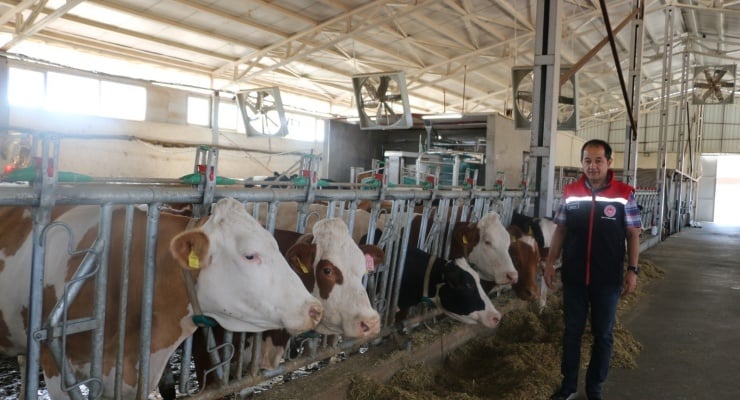
Türkiye Classified as a High-Risk Country
According to TÜSEDAD, Türkiye remains in a “high-risk” category due to its geographical position and insufficient disease control in neighboring countries. The entry of SAT-2 in 2023 and SAT-1 in 2025 has increased the diversity of FMD serotypes circulating within Türkiye. This expanding viral landscape highlights the limitations of routine vaccination and standard biosecurity measures when applied in isolation.
The economic toll is heavy. FMD can cause up to 80 percent losses in milk yield, a 25 percent drop in live weight, and significant calf mortality rates. Indirect consequences, such as trade restrictions due to quarantine, compulsory culling, difficulties in herd replacement, and productivity declines, further deepen the crisis. TÜSEDAD estimates that farm revenues fall by 7–12 percent due to these combined effects. For a dairy farm with 100 milking cows, losses can reach as high as 49,800 dollars.
Seasonal Risks and Systemic Gaps
The reports emphasize that livestock movement during periods such as Kurban Bayramı often accelerates the seasonal cycle of outbreaks. Unregulated animal transport, gaps in biosecurity practices, mismatches between vaccines and circulating virus strains, and neglected booster doses all contribute to the persistence of the disease.
This analysis underscores that Türkiye’s challenge is not only biological but systemic. Without coordinated, preventative, and risk-based policies, FMD is likely to continue as a recurring threat to both farmers and the national economy.
Key Recommendations from TÜSEDAD
The Scientific Advisory Board stresses that Türkiye must transition from a reactive disease management model to a proactive and preventative strategy. Among the proposed measures are:
Cross-border vaccination campaigns coordinated with neighboring countries to prevent reinfection cycles.
Digital animal tracking using chip-based identification and mobile case reporting systems for real-time data.
Serotype monitoring and testing to ensure vaccines remain effective against circulating strains.
Preparedness for SAT-3 through antigen stockpiling and emergency vaccination plans.
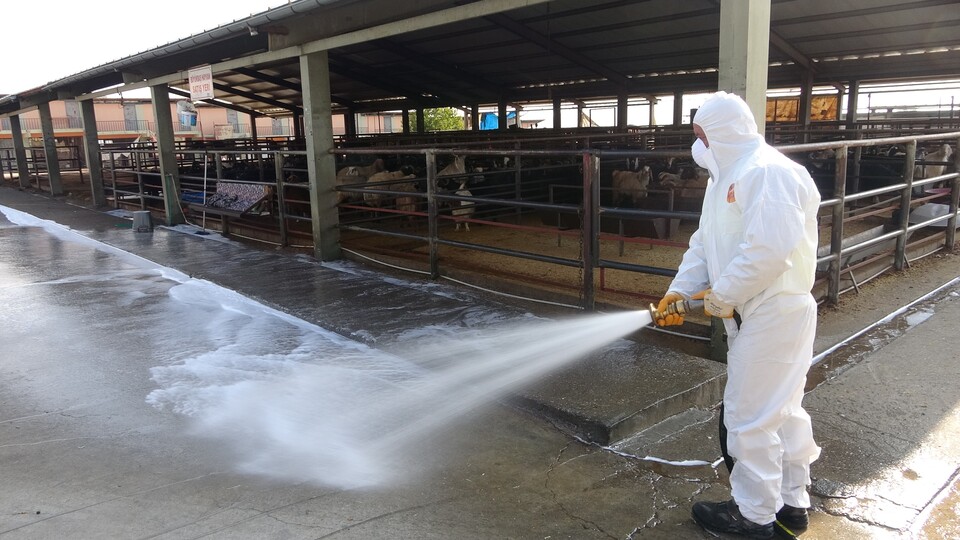
Mandatory biosecurity standards, including disinfection stations for animal transport vehicles.
Economic rehabilitation packages for affected producers, covering feed costs, veterinary services, and financial support after outbreaks.
TÜSEDAD concludes that coordinated international action, serotype-matched vaccines, digital surveillance systems, and financial incentives for producers could help Türkiye shed its “high-risk” label. Without such steps, however, FMD may remain an enduring burden on the sector, described in the report as a “never-ending epidemic.”
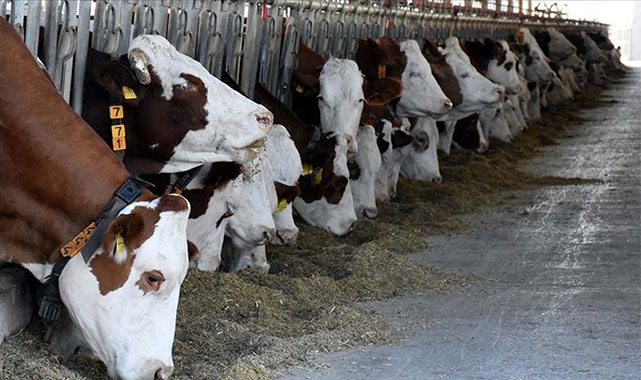
Wider Implications for Türkiye’s Agriculture
The persistence of FMD has broader implications for Türkiye’s food security and rural livelihoods. With livestock forming a cornerstone of both the domestic economy and export markets, unchecked outbreaks threaten not only farmers’ incomes but also consumer prices and national food supply stability. Reduced productivity in milk and meat output could increase dependency on imports, straining foreign trade balances.
Experts argue that a holistic approach is needed, combining scientific research, cross-border diplomacy, and grassroots-level engagement with farmers. Building trust and participation among livestock producers is essential for effective implementation of vaccination and biosecurity programs.
Engaging Farmers and Public Awareness
To foster stronger awareness, TÜSEDAD announced that it will host a webinar on August 21 through its YouTube channel. The online event will feature a presentation of the report’s findings, followed by a live Q&A session where farmers can raise their concerns. Such outreach is designed to strengthen communication, ensuring that policies and preventive measures are not only top-down directives but also grounded in the realities of daily farm management.
The Road Ahead
Türkiye’s battle with foot-and-mouth disease is a reminder of how interconnected biology, economics, and policy can be. With the livestock sector playing a vital role in rural employment and national food systems, tackling FMD is as much about protecting livelihoods as it is about animal health.
If the proposed reforms are implemented effectively—integrating surveillance, vaccination, biosecurity, and economic support—Türkiye could begin to turn the tide on an issue that has plagued its livestock sector for decades. Until then, the disease remains both a biological challenge and a socio-economic hazard, reinforcing the urgent need for comprehensive, preventative, and coordinated solutions.