
As Türkiye enters the final days of July, the country finds itself in the grip of an intense heatwave that may set new national temperature records. According to Fevzi Burak Tekin, a senior weather forecast specialist at the Turkish State Meteorological Service under the Ministry of Environment, Urbanization and Climate Change, temperatures are expected to continue rising throughout the upcoming week. The latest weather evaluations indicate that large portions of the country will experience prolonged periods of exceptionally high heat with very limited rainfall.
Temperatures Far Above Seasonal Norms
Tekin explained that temperatures across Türkiye are projected to remain well above seasonal norms. Coastal areas will experience an increase of 3 to 6 degrees Celsius, while the Eastern and Southeastern Anatolia regions could see deviations of 4 to 8 degrees above average. Central and northern regions of the country are expected to experience the most severe departure from normal conditions, with temperatures climbing as much as 6 to 12 degrees higher than usual.
This rise is not just a continuation of seasonal warmth but is being classified as a significant heatwave event. The temperature anomalies are predicted to persist for several days, potentially peaking midweek. This could lead to stress on infrastructure, health systems, and daily life routines, particularly in areas where air conditioning is not widespread.
Rainfall Will Be Scarce Across the Country
One of the most concerning aspects of the current heatwave is the widespread absence of rainfall. Tekin noted that dry conditions are expected across most of Türkiye. The only exceptions will be limited showers in small parts of the eastern Mediterranean inland areas on Monday, followed by light rain in Adana and coastal regions of Hatay on Tuesday. By Wednesday, some rainfall is forecast for Eastern Mediterranean provinces, including parts of Kırklareli, Istanbul, Tekirdağ, and the interior sections of the Eastern Black Sea region.
Even in areas where rain is predicted, it will be highly localized and brief. The larger pattern remains one of persistent dryness and clear skies.
Major Cities Face Heat Pressure
Tekin provided specific forecasts for Türkiye’s three largest cities. In Ankara and İzmir, the weather is expected to remain mostly clear and dry throughout the next three days. Both cities are likely to see temperatures surpassing 40 degrees Celsius in some areas. In Istanbul, rain is not anticipated on Monday or Tuesday. However, by Wednesday, brief but intense afternoon showers and possibly thunderstorms are expected, especially in the western districts.
Despite the slight chance of rain in Istanbul, the city will remain hot, with temperatures hovering around 34 to 35 degrees Celsius. Combined with humidity, the real-feel temperature will be even higher, creating discomfort for residents and posing health risks for vulnerable populations.
Tropical Nights Signal Elevated Risk
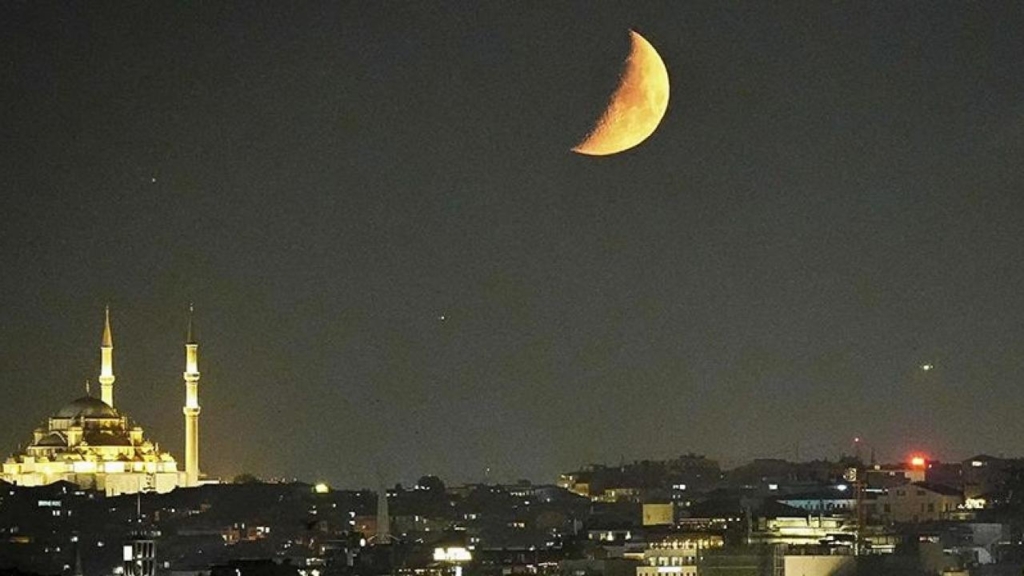
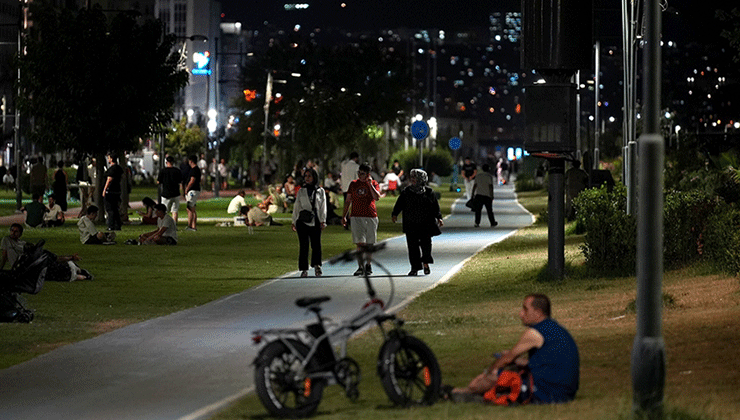
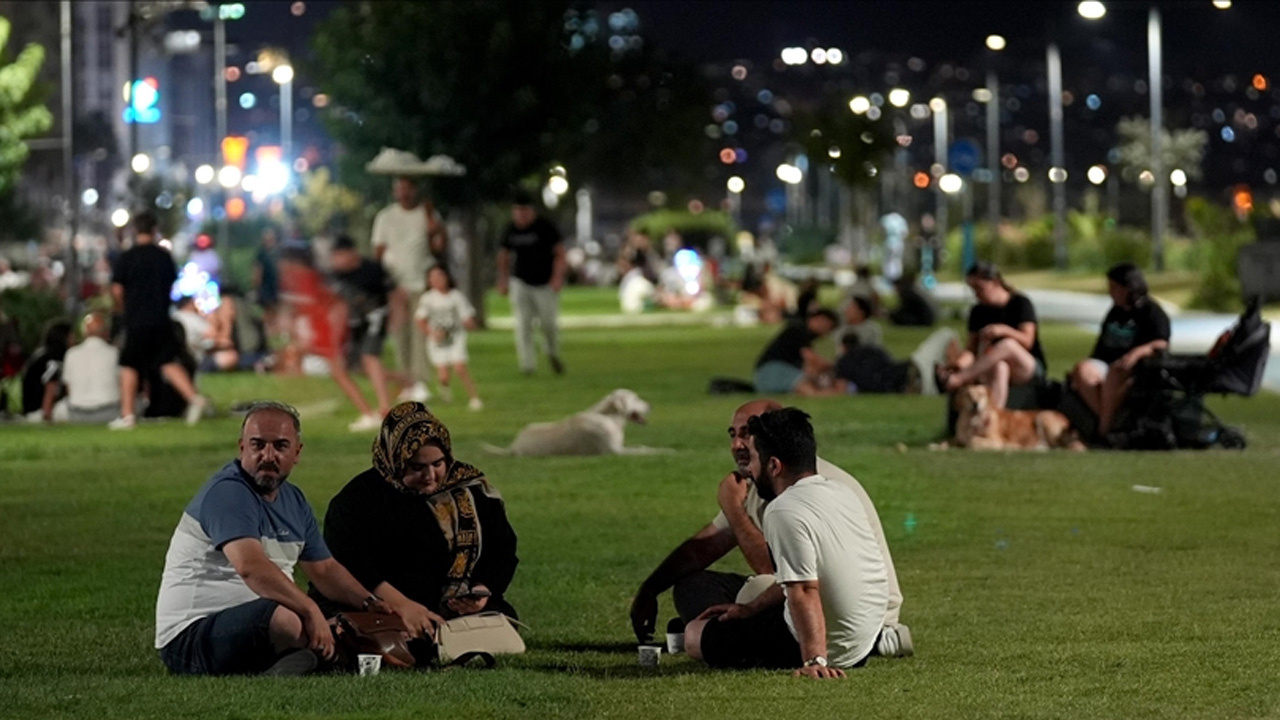
Tekin also warned of another concerning trend — tropical nights. This phenomenon occurs when nighttime temperatures remain above 20 degrees Celsius. In some areas of Türkiye, especially in the interior, western, and southern regions, overnight lows are nearing 30 degrees Celsius. When temperatures do not drop sufficiently at night, the human body struggles to recover from daytime heat stress. This increases the risk of heat-related illnesses, particularly among the elderly, young children, and individuals with chronic health conditions.
The persistence of tropical nights across the country has made restful sleep difficult for many residents. It also raises concerns about energy consumption, as demand for air conditioning is expected to spike.
A New Temperature Record Could Be Set
On July 25, the town of Silopi in the Şırnak province registered an astonishing 50.5 degrees Celsius. This reading broke Türkiye’s all-time temperature record. Tekin noted that given current trends, another temperature record could be set this week. He emphasized the importance of staying alert to official weather bulletins and taking personal precautions to mitigate heat risks.
With global temperatures also surging in various parts of the world, Türkiye’s experience is part of a wider pattern. Climate scientists have repeatedly warned that heatwaves are becoming more frequent, more intense, and longer-lasting due to the effects of global climate change.
Public Health and Infrastructure Challenges
Extended heatwaves pose multiple risks beyond discomfort. The health sector must prepare for an increase in heatstroke cases and dehydration-related emergencies. Water demand rises sharply, while reservoirs in some regions are already under strain. Urban infrastructure, including public transportation and road surfaces, may deteriorate under sustained high heat. In some cities, reports of asphalt softening and metal structures expanding have already been observed.
Air quality also deteriorates during prolonged heat events, particularly in densely populated cities where vehicle emissions and industrial activity combine with stagnant atmospheric conditions. This leads to higher concentrations of pollutants and poses respiratory risks.
Recommendations for Residents
Authorities recommend that residents avoid outdoor activities during peak sunlight hours, typically between 11 AM and 4 PM. Hydration is key, and water should be consumed regularly, even without the sensation of thirst. Wearing light-colored, loose-fitting clothing and using sun protection such as hats and sunscreen is strongly advised.
Special attention should be given to children, the elderly, and individuals with cardiovascular or respiratory conditions. Public institutions, including municipalities and emergency response agencies, are urged to open cooling centers, extend operational hours at healthcare facilities, and disseminate real-time weather updates to keep the public informed.
The Broader Climate Context
Türkiye’s ongoing heatwave highlights the urgent need for climate adaptation policies. As urbanization increases and rural-urban migration continues, cities are becoming hotter due to the urban heat island effect. Reflective building materials, increased green spaces, and heat-resilient infrastructure are among the strategies experts recommend to cope with future temperature extremes.
In the longer term, climate experts are calling for greater investment in early warning systems, public education on extreme weather response, and stricter enforcement of building standards to enhance thermal insulation and energy efficiency.
Final Thoughts
The current heatwave is not an isolated weather event but a signal of larger environmental shifts. While meteorological services do their part to inform the public, it is essential for institutions, businesses, and citizens to recognize their role in addressing and adapting to the realities of a warming climate.
As Türkiye experiences what may become one of the hottest weeks in its recorded history, preparedness and awareness will be crucial. Whether new temperature records are set or not, this week’s conditions underscore the need for long-term planning and individual responsibility in the face of increasingly extreme weather.