
Over the past 18 months, toll rates on state-operated bridges and highways in Türkiye have surged by more than 400%, resulting in a massive boost to public revenues. According to data released for the first half of 2025, the General Directorate of Highways (KGM) collected 12.1 billion Turkish Lira in toll income—a more than threefold increase from the same period in 2024, when revenues stood at 3.4 billion TL.
During the first six months of the year, over 281 million vehicles used tolled roads and bridges, highlighting the essential nature of these routes for daily transportation—and raising questions about the affordability of access for ordinary citizens.
Mounting Criticism Over Revenue Inequality
CHP (Republican People’s Party) MP for Erzincan, Mustafa Sarıgül, sharply criticized the government’s policies, pointing out that while state toll income soars, the purchasing power of retirees and minimum wage earners remains stagnant.
“In a period where pensioners and workers struggle to secure even a 40% pay increase, a 400% rise in public toll fees is unacceptable,” Sarıgül stated.
He also accused the government of transferring wealth through both state-operated and public-private partnership (PPP) infrastructure projects, putting disproportionate financial pressure on citizens.
How Much Have Toll Fees Increased?
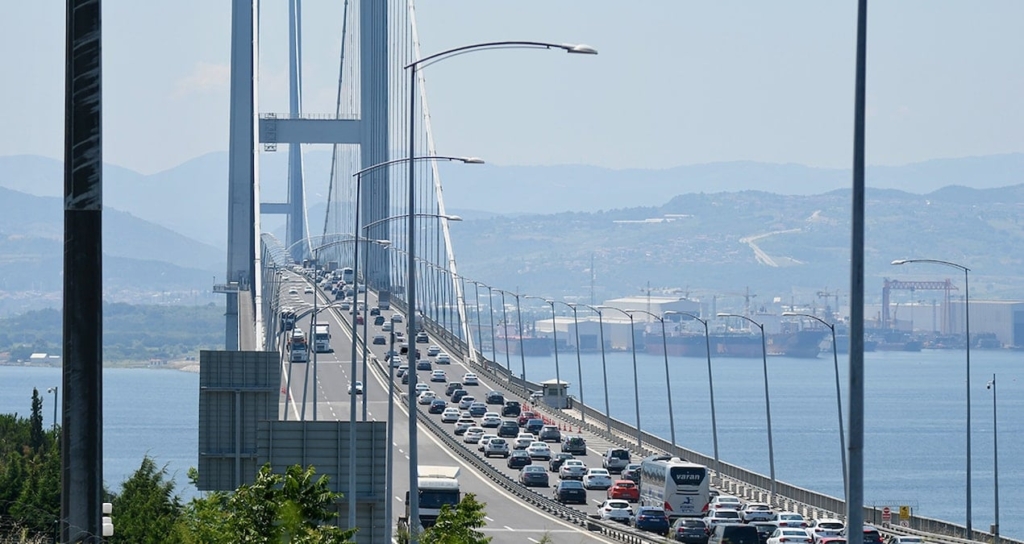
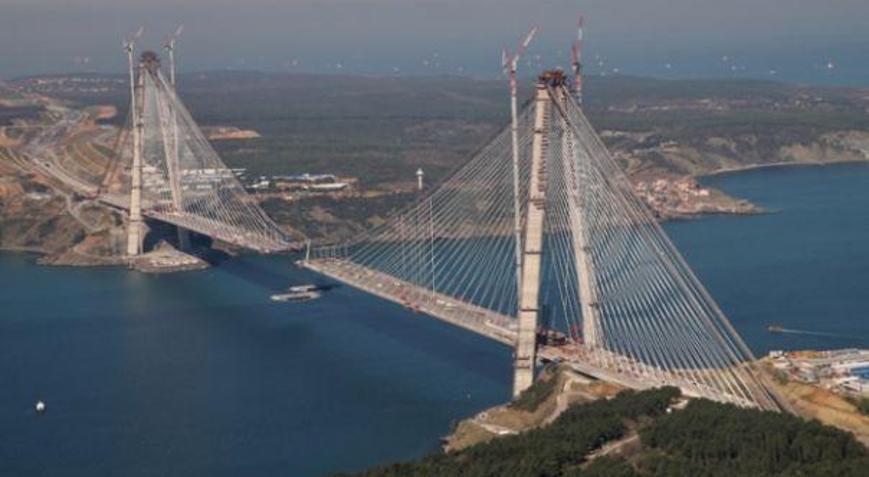
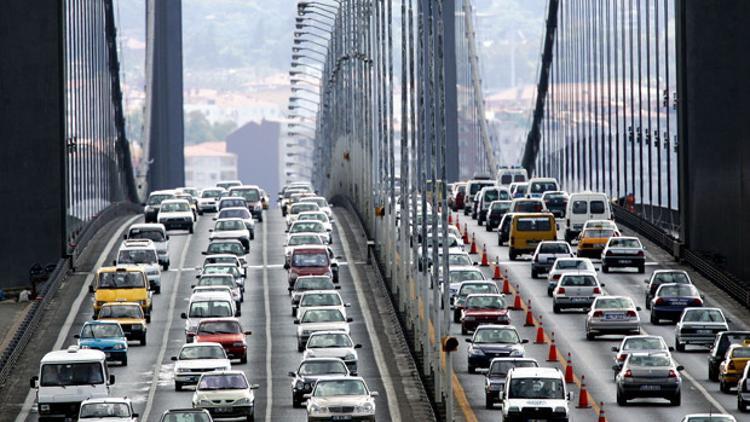
The toll hikes have been especially noticeable in key corridors like the 15 July Martyrs Bridge and Fatih Sultan Mehmet Bridge in İstanbul, as well as highways linking major cities like Ankara and İzmir.
For example, a toll that cost 8 TL in early 2023 now costs up to 32 TL—a quadrupling in just 18 months. For logistics companies, long-haul drivers, and commuters, these increases have become a serious cost burden.
Short-Term Gains, Long-Term Concerns
While the state’s revenue from tolls may seem like a fiscal win, economists and civil society groups warn of serious long-term implications:
Social inequality, as low-income citizens are priced out of key transportation routes
Increased logistics costs, which contribute to inflation
Regional economic slowdowns, especially in areas reliant on road-based trade and travel
Critics argue that state-owned infrastructure should prioritize public accessibility over profit maximization—especially in a country where wage growth is not keeping pace with the cost of living.
Projections: Revenues Could Top 25 Billion TL in 2025
If current traffic volumes and toll rates continue, Türkiye’s total revenue from bridges and highways could exceed 25 billion TL by the end of 2025. While this boosts the national budget, questions remain over how these funds will be used.
The Ministry of Transport and Infrastructure has announced plans for new road and tunnel projects, but public transparency about spending and reinvestment remains limited.
No Alternatives for Drivers
In cities like İstanbul, tolled roads are often the only viable routes for reaching work or transporting goods. Without free or subsidized alternatives, citizens are essentially forced to pay escalating fees.
Urban planners and transport economists emphasize the need for:
Expanded public transportation
Investment in free alternative routes
Targeted subsidies for essential travel
Stronger regulation of toll pricing mechanisms
Public Demand for Fairness Grows
The revenue spike has reignited public debate about economic justice in transportation policy. The lack of toll exemptions or discounts for low-income groups, combined with an absence of clear reinvestment strategies, has fueled frustration.
Increased activism and political opposition may force policymakers to rethink the pricing model for toll roads and better balance revenue generation with social responsibility.
State Profits, Citizens Struggle
Türkiye’s toll infrastructure has become a significant source of income—but at a cost to everyday commuters and businesses. As more citizens voice concerns over affordability and fairness, transportation equity may become a defining issue in upcoming policy debates.
Unless broader reform is introduced, highway access could become a luxury, not a right, eroding one of the essential pillars of economic mobility in Türkiye.