
Türkiye’s culinary landscape is as diverse as its geography, and few food traditions capture this diversity better than the country’s wide array of regional cheeses. Produced for centuries using traditional techniques, these cheeses are more than just staples on the table—they are living symbols of local identity, cultural heritage, and agricultural history.
From the lush pastures of the Aegean to the rugged plateaus of Eastern Anatolia, each region has developed its own cheese varieties, shaped by climate, terrain, and the livestock that thrive there. Whether made from sheep, goat, or cow’s milk, these cheeses combine nutritional richness with unique flavors, making them both a daily pleasure and a cultural ambassador for Türkiye’s gastronomy on the world stage.

Ezine Cheese – Çanakkale’s Creamy Treasure
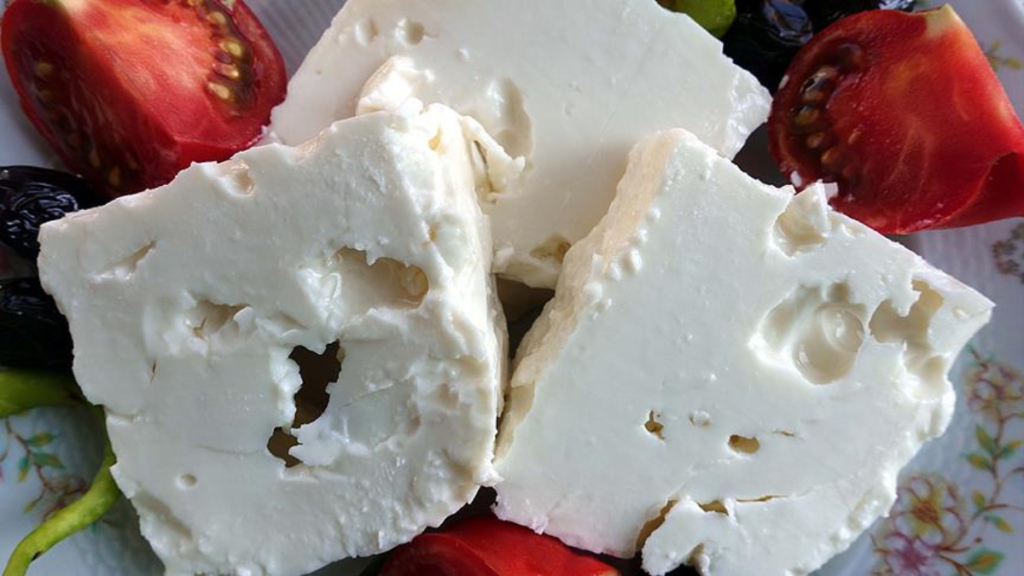
Ezine cheese, produced in the fertile lands of Çanakkale, is a blend of sheep, goat, and cow’s milk, delivering a soft, creamy texture and a mildly salty taste. Its quality is safeguarded by a geographical indication, ensuring it remains true to its traditional production methods. Perfect for breakfast tables or as an accompaniment to meze platters, Ezine cheese is beloved for its balance of richness and freshness.
Van Herbed Cheese – A Taste of the Mountains
Hailing from the eastern city of Van, Van otlu peyniri is most commonly made from sheep’s milk and distinguished by the addition of local aromatic herbs such as wild mint, thyme, and garlic. These herbs not only give the cheese its distinctive flavor but also enhance its nutritional profile. This variety reflects the deep connection between local cheese-making traditions and the flora of the region’s highlands.
Kars Gruyère – Alpine Influence in Eastern Anatolia
Produced from cow’s milk in the northeastern city of Kars, Kars gravyeri is a Turkish interpretation of Swiss gruyère. Characterized by its large holes and firm texture, it undergoes a long maturation process, developing a complex, nutty flavor. The cool climate and high-altitude pastures of Kars make it ideal for producing milk of exceptional quality, which in turn gives this cheese its distinctive taste.

Çeçil Cheese – The String Cheese of the East
Common in Erzurum, Kars, and Iğdır, Çeçil cheese is a stringy, low-fat cheese made primarily from cow’s milk. Its fibrous texture is achieved by stretching the curd during production. Often served at breakfast or used in pastries, Çeçil offers a light, mild option that still delivers plenty of character.
Mihaliç Cheese – Salty and Full-Flavored
Originating from Bursa, Mihaliç cheese is traditionally made from sheep’s milk. Known for its high salt content and crumbly yet rich texture, it is a staple in the region’s cuisine. Its high phosphorus levels also make it nutritionally valuable, particularly for bone health. Mihaliç is often enjoyed on its own or grated over hot dishes to add depth of flavor.
Divle Obruk Cheese – Maturing in Nature’s Cellar
One of Türkiye’s most unique cheeses, Divle obruk peyniri comes from Karaman and is made from goat’s milk. What sets it apart is its maturation process, which takes place in natural caves (obruk) where the constant temperature and humidity create the perfect environment for aging. The cheese develops a firm texture, deep flavor, and exceptional durability.
Antep Cheese – Handcrafted Heritage
From the southeastern city of Gaziantep, Antep cheese is crafted mainly from small ruminant milk and shaped by hand. It is known for its salty, aromatic profile, making it an essential part of local breakfasts and traditional dishes. In a city famous for its pistachios and baklava, Antep cheese holds its own as a symbol of artisanal skill.
Circassian Cheese – A Cultural Classic
Produced in Adapazarı and surrounding areas, Circassian cheese is made from sheep or goat’s milk and is a defining element of Circassian cuisine. Salty and fatty with a distinctive aroma, it is often served fresh but can also be smoked for added flavor. This cheese is a reminder of the cultural mosaic that has shaped Türkiye’s food traditions.
Tulum Cheese – Aged to Perfection
Tulum cheese is widespread in both Central and Eastern Anatolia and is typically made from sheep or goat’s milk. Its defining feature is its aging process—traditionally in animal skins, though modern production sometimes uses synthetic casings. This method creates a dense, tangy cheese with a bold aroma, favored for its long shelf life and rich taste.
Cultural and Economic Importance
These cheeses are not just local delicacies; they play an important role in sustaining rural economies and preserving traditional farming practices. Many are produced by small-scale dairies or family-run operations that rely on age-old techniques passed down through generations. By protecting these products through geographical indications and promoting them internationally, Türkiye strengthens both its cultural identity and its agricultural sector.
From Local Tables to Global Recognition
In recent years, Türkiye’s regional cheeses have begun to gain recognition beyond national borders. Food festivals, gourmet exports, and tourism initiatives have introduced varieties like Ezine, Kars gravyeri, and Divle obruk peyniri to global audiences. These cheeses serve as culinary ambassadors, telling the story of the landscapes, animals, and communities from which they originate.
As consumer interest in artisanal and authentic foods continues to grow worldwide, Türkiye’s rich cheese tradition is poised to capture the attention of food lovers everywhere. Whether enjoyed fresh from a village market or served on an international cheese board, these regional specialties embody the diversity and depth of Turkish gastronomy.