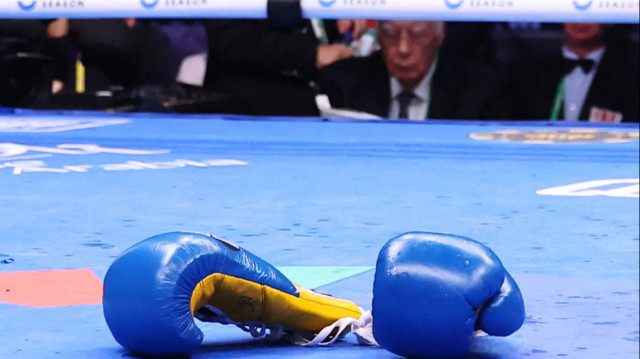

A professional boxing night held at the Korakuen Hall in Tokyo has ended in devastating fashion, claiming the lives of two fighters within days of each other and prompting swift changes to Japanese boxing regulations. The rare and tragic sequence of events has shaken the global boxing community, sparking renewed debate about the sport’s safety protocols.
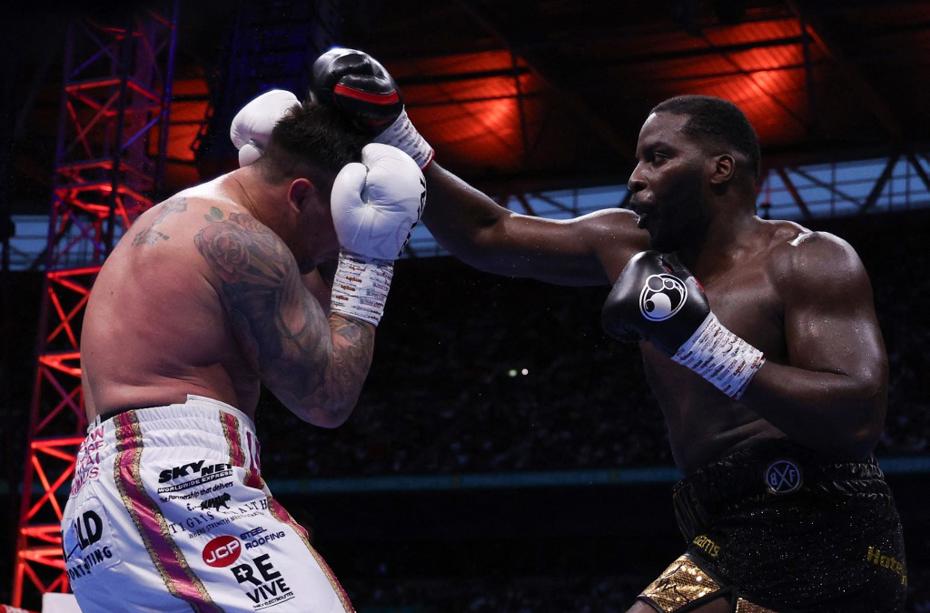
Shigetoshi Kotari Collapses After Title Bout
The first tragedy unfolded during a highly anticipated Oriental and Pacific Boxing Federation (OPBF) lightweight title bout between 28-year-old Shigetoshi Kotari and reigning champion Yamato Hata. After a grueling 12-round contest ended in a draw, Kotari suddenly collapsed in the ring. Medical personnel immediately rushed to his aid, and he was transported to a local hospital for emergency brain surgery.
Despite the intervention, Kotari succumbed to his injuries on Friday, unable to recover from the severe brain trauma sustained during the fight. His death was confirmed by hospital officials and widely mourned across Japan’s boxing circles.
The World Boxing Organization (WBO) paid tribute to the fighter on social media, posting a heartfelt message: “Rest in peace, Shigetoshi Kotari.”
Hiromasa Urakawa Suffers Similar Fate
Shockingly, less than 24 hours later, another 28-year-old Japanese boxer, Hiromasa Urakawa, faced a similar fate. Competing against Yoji Saito, Urakawa was knocked out during the match and suffered critical head injuries. Like Kotari, he was rushed to the hospital and underwent surgery to address a brain hemorrhage. Despite medical efforts, Urakawa passed away on Saturday.
Both deaths have sent shockwaves through the Japanese sports community, as fatalities of this nature are exceedingly rare yet devastating when they occur.
Immediate Response from the Japanese Boxing Commission
In response to the twin tragedies, the Japanese Boxing Commission (JBC) has announced immediate safety measures. Effective immediately, the number of rounds for title fights will be reduced from 12 to 10, aiming to limit prolonged exposure to head trauma.
The JBC stated that while boxing inherently carries risks, it remains committed to implementing reforms that prioritize fighter safety without undermining the competitive spirit of the sport.
A Grim Year for Boxing Safety Concerns
The losses of Kotari and Urakawa come just months after another high-profile boxing fatality. Earlier this year, Irish boxer John Cooney died one week after losing his Celtic super featherweight title match, also from fight-related brain injuries.
These incidents highlight the ongoing dangers associated with repeated blows to the head, particularly in professional matches where fighters are subjected to extended rounds of high-intensity combat.
Renewed Debate on Safety Measures
Medical experts, trainers, and former fighters are calling for more comprehensive measures beyond reducing the number of rounds. Proposals include:
Enhanced pre-fight medical screenings, particularly brain imaging.
Mandatory longer recovery periods after knockout losses.
Improved ringside medical protocols, including faster in-ring assessments.
Stricter stoppage criteria to prevent unnecessary punishment.
Critics of the sport argue that while reforms are valuable, boxing inherently carries a high risk of traumatic brain injury (TBI) and chronic traumatic encephalopathy (CTE), conditions that can have long-term and fatal consequences.
The Human Cost Behind the Headlines
For the families, friends, and fans of Kotari and Urakawa, the loss is immeasurable. Both fighters were known not just for their skill in the ring but for their dedication, discipline, and sportsmanship. Tributes have poured in from across the boxing world, with fellow athletes and coaches expressing grief and calling for systemic changes to prevent similar tragedies.
Local media in Japan have reported an outpouring of public sympathy, with memorials being organized in both fighters’ hometowns. Fellow athletes have pledged to honor their memory by advocating for a safer boxing environment.
Looking Forward: Balancing Tradition and Safety
While the Japanese Boxing Commission’s decision to shorten title bouts marks an important first step, it may not be the final change. Stakeholders are expected to review other aspects of the sport, from training regimens to medical clearance standards, in hopes of finding a sustainable balance between maintaining boxing’s competitive appeal and minimizing risk.
The global boxing community will also be watching closely. Many international federations have faced similar safety debates, and Japan’s policy shift could inspire other governing bodies to reassess their own rules.
As the sport grapples with these tragic losses, one truth remains clear: every effort must be made to protect the lives and well-being of those who step into the ring. The memory of Shigetoshi Kotari and Hiromasa Urakawa will serve as a solemn reminder of both boxing’s allure and its inherent dangers.