

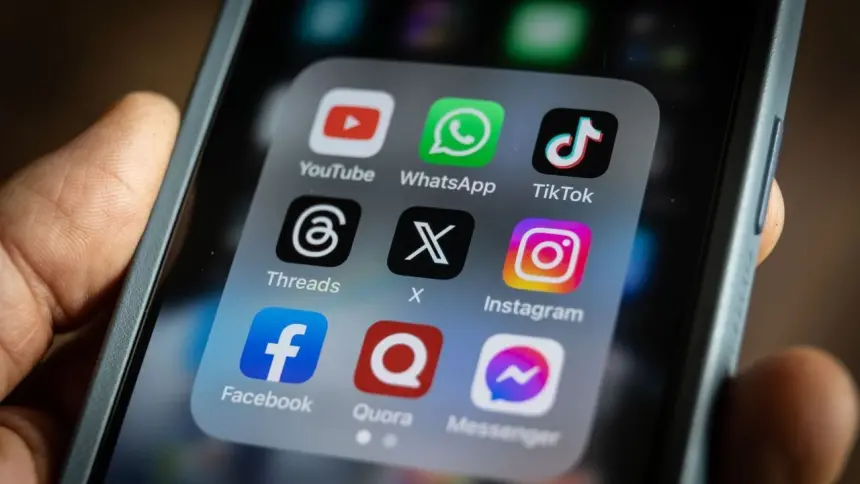
Users across Turkey reported widespread disruptions on major social media and messaging platforms including X, Instagram, TikTok, YouTube, Facebook, WhatsApp, Telegram, and Signal. The problems surfaced shortly after a controversial court ruling led to the removal of the Istanbul branch of the Republican People’s Party (CHP) leadership and the appointment of a trustee. Following the ruling, the Istanbul Governor’s Office announced a four-day ban on gatherings and demonstrations across six districts starting on September 7.
As news of the restrictions spread, users began complaining of difficulties accessing platforms such as Instagram and WhatsApp. Independent watchdogs later confirmed the disruptions, raising concerns about the intentional throttling of internet services.

Netblocks and Local Watchdogs Confirm Restrictions
Netblocks, a respected international organization monitoring internet connectivity and censorship worldwide, verified that access to multiple platforms in Turkey had been restricted. Their data pointed to widespread throttling patterns consistent with state-imposed internet limitations.
Similarly, İfade Özgürlüğü Derneği’s “Engelli Web” initiative announced that it had detected signs of bandwidth throttling. In a midnight statement, the group confirmed that platforms including X, Instagram, YouTube, TikTok, Facebook, WhatsApp, Telegram, and Signal were all affected by the measures.
Despite mounting evidence, the country’s official regulatory body, the Information and Communication Technologies Authority (BTK), has not yet issued a statement. The silence has fueled further speculation and concern among internet users.
What Is Bandwidth Throttling
Bandwidth, often referred to in English as “bandwidth capacity,” represents the maximum amount of data that a device can receive or transmit over the internet within a given time frame. When authorities or internet service providers reduce this capacity for certain services, access to specific platforms slows dramatically or becomes nearly impossible.
This practice is legally backed in Turkey by the “disinformation law” that came into effect in October 2022. Under this law, authorities can restrict access to social media platforms by ordering internet service providers to limit traffic to these sites. While officials often frame such moves as security measures, rights groups warn that they are used to suppress dissent and curtail freedom of expression.
Understanding the Role of VPNs
In response to restrictions, many users turn to Virtual Private Networks (VPNs). A VPN creates a secure connection between the user’s device and another server, often located in a different country. By rerouting internet activity through this secure channel, VPNs allow users to bypass censorship and access blocked content.
VPN technology is widely used by companies to ensure secure remote access for employees working outside the office. Beyond the corporate world, individuals rely on VPNs to shield their online identity and maintain privacy. In Turkey and other countries facing internet controls, VPNs have become essential tools for ordinary citizens to reach restricted websites and apps.
However, experts caution that not all VPNs are equally safe. Some services may log user data or fail to provide strong encryption, leaving personal information vulnerable. Choosing a trustworthy provider is crucial for ensuring real anonymity and protection.
The Political Context Behind the Restrictions
The timing of these access issues has raised eyebrows. The restrictions came just as political tensions escalated in Istanbul following the dismissal of CHP’s provincial leadership and the appointment of a government-approved trustee. Civil society groups argue that the move undermines democratic principles, while opposition voices believe the internet restrictions are intended to stifle calls for protest.
For years, Turkey has faced criticism for its approach to digital freedoms. International organizations frequently rank the country among those where online speech is heavily monitored and restricted. Social media has become a vital space for political expression, making access disruptions particularly impactful during times of political unrest.
Impact on Daily Life and Public Reaction
Beyond politics, these restrictions affect millions of ordinary users who rely on platforms like WhatsApp for daily communication. Businesses, students, and families suddenly find themselves cut off from vital digital tools. For small enterprises that depend on Instagram or TikTok for marketing and customer engagement, throttling can translate into significant economic losses.
Public frustration has grown as users struggle to send messages, upload content, or watch videos. Many report turning to VPNs or alternative communication platforms to stay connected. The growing reliance on circumvention tools underscores both the resilience of internet users and the persistent demand for open digital access.
Concerns From Rights Groups
Organizations defending freedom of expression warn that such restrictions contribute to a climate of fear and self-censorship. By cutting access during politically sensitive moments, authorities may prevent citizens from organizing, sharing information, or documenting events on the ground.
Human rights advocates argue that these measures ultimately weaken democracy by limiting transparency and accountability. They also stress the psychological toll of repeated disruptions, which foster uncertainty and discourage civic engagement.
Looking at the Bigger Picture
The recent disruptions in Turkey highlight a global trend where governments increasingly use digital controls to manage dissent. While officials often justify restrictions in the name of public order or security, critics say they erode trust and isolate citizens from the international flow of information.
With growing reliance on social media and messaging apps for both personal and professional communication, internet access has become a fundamental necessity rather than a luxury. The debate now centers on whether governments can balance security concerns with the protection of basic digital rights.
Editor’s Perspective
The events unfolding in Turkey serve as a reminder of the fragile balance between governance and freedom in the digital age. While the state has a duty to maintain order, cutting citizens off from the tools they use daily often creates more mistrust than stability. The question is not only about technology but also about the values societies choose to uphold. As users turn to VPNs and other alternatives, it is clear that the demand for unrestricted access will not fade.