
Türkiye is moving steadily toward the next chapter in mobile connectivity with the announcement of frequency bands to be auctioned for its upcoming 5G infrastructure. Set to take place later this year, the auction will allocate the 700 MHz (FDD) and 3.5 GHz (TDD) bands to telecom operators. With 5G service expected to launch for public use in 2026, this development positions Türkiye alongside many other nations already utilizing 5G, while maintaining strategic restraint by excluding mmWave frequencies from the auction.
This article explores the technical details, implications, and projected outcomes of Türkiye’s 5G spectrum auction, comparing it to global benchmarks and assessing what users can realistically expect in terms of speed, latency, and coverage.
What to Expect from the 5G Frequencies Available in Türkiye
The two frequency ranges being released—700 MHz and 3.5 GHz—offer distinct advantages that cater to different geographical and population density needs. The 700 MHz band, characterized by its expansive coverage capabilities, is especially useful for rural and mountainous regions. On the other hand, the 3.5 GHz band offers significantly higher speeds, making it more suitable for urban and densely populated environments.
In the auction, the bands will be divided as follows:
700 MHz: Offered in 2×10 MHz configuration
3.5 GHz: Offered in blocks of 80 MHz and an additional 20 MHz for carrier aggregation
The strategic split allows operators to optimize coverage while preparing for a more seamless transition to high-speed 5G experiences in both rural and metropolitan regions.
Speed Potential and Real-World Performance
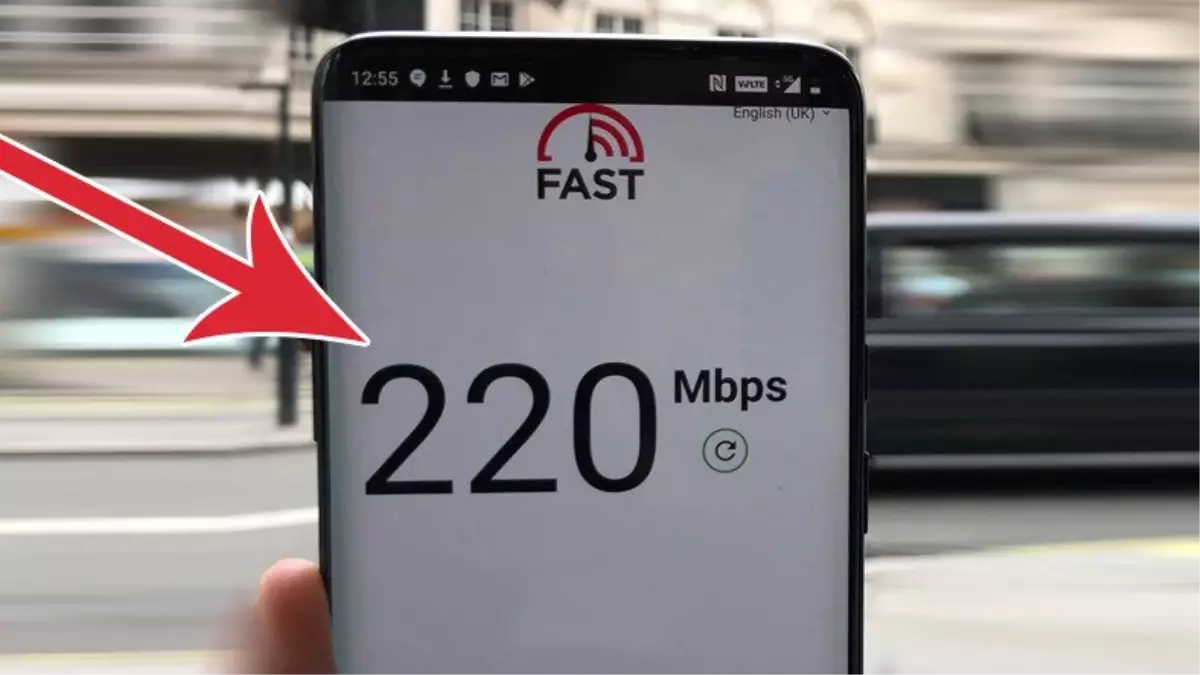
While 5G technology is theoretically capable of delivering speeds up to 10 Gbps, actual user experiences are far more nuanced. Globally, average 5G download speeds tend to range between 300 Mbps and 1 Gbps, depending on several factors like frequency, signal interference, and user density.
For Türkiye’s upcoming 5G bands, here’s what users can anticipate:
700 MHz Band (2×10 MHz)
Theoretical download speed: 90–180 Mbps
Real-world download speed: 40–100 Mbps
Upload speed: 10–25 Mbps
Latency: 15–25 ms
Best for: Villages, mountainous regions, and indoor coverage
3.5 GHz Band (80–100 MHz)
Theoretical download speed: Up to 1.4 Gbps
Real-world download speed: 300–1200 Mbps
Upload speed: 40–150 Mbps
Latency: 8–15 ms
Best for: Cities, business districts, crowded urban spaces
The 3.5 GHz band will be the workhorse of Türkiye’s 5G network, especially in city centers where speed and capacity are critical.

Operator Strategies and Competitive Performance
An examination of the spectrum allocation hints at a relatively even playing field among Türkiye’s mobile operators, particularly in rural coverage. The limited options within the 700 MHz band—only 2×10 MHz—suggest similar performance across all carriers in less densely populated areas.
However, the 3.5 GHz band opens the door to more noticeable disparities. Operators securing both the 80 MHz and 20 MHz blocks will benefit from carrier aggregation (NR-CA), pushing peak download speeds toward the 1.2 Gbps mark. This bandwidth flexibility allows for differentiated services, particularly in urban markets where consumers expect fast and reliable connections.
On average, urban users can expect:
300–700 Mbps on 80 MHz blocks
400–1200 Mbps on aggregated 100 MHz blocks
Such capabilities make activities like 4K streaming, cloud gaming, and video conferencing seamless, even in heavily loaded areas.
Why Türkiye Opted Out of mmWave—for Now
Interestingly, the mmWave frequency—widely regarded as the fastest in the 5G family—is not part of Türkiye’s current 5G rollout. Frequencies above 26 GHz can, in ideal conditions, deliver speeds over 3 Gbps. However, their limited range and susceptibility to environmental interference make them impractical for widespread deployment.
Here are the key reasons behind mmWave’s exclusion:
Coverage Limitations: Signals can only travel a few hundred meters.
Obstacle Sensitivity: Physical barriers like walls and even weather (rain, fog) degrade signal quality.
Infrastructure Demands: Requires base stations every 100 meters—logistically and economically taxing.
Device Incompatibility: Most smartphones in Türkiye lack mmWave support, including popular models like the iPhone unless imported from the U.S.
For now, mmWave will remain a niche technology in Türkiye, likely reserved for high-density locations such as stadiums, airports, and concert venues.
Understanding Dual Connectivity in the Initial Rollout
As Türkiye embarks on this 5G journey, the initial implementation phase will rely heavily on a technique known as Dual Connectivity (EN-DC), which leverages both 4.5G LTE and 5G simultaneously. This allows telecom companies to build 5G capacity on top of existing LTE infrastructure.
Here’s how it works:
The primary connection is maintained via 4.5G LTE.
5G serves as a secondary, data-enhancing layer.
This combination boosts download speeds while conserving resources.
For users, the benefits include increased throughput without needing entirely new infrastructure. However, there are trade-offs:
Latency: Typically higher than pure 5G, ranging between 20–30 ms
Battery Consumption: Dual modem use drains phone batteries faster
Unsuitability for Ultra-Low Latency Tasks: Applications like autonomous driving, remote surgery, and industrial automation still require standalone 5G architecture
Over time, Türkiye is expected to phase in “pure” 5G networks with ultra-low latency, enabling more advanced use cases.
Comparing Türkiye with the Global 5G Landscape
As of now, 5G is operational in 74 countries, supported by over 160 telecom operators. South Korea was the pioneer in 2019, followed closely by the U.S. and several European nations in 2020. Türkiye’s plan to launch nationwide 5G by 2026 puts it on a deliberate but promising timeline.
What distinguishes Türkiye’s approach is its focus on practicality and phased deployment. Rather than rushing into ultra-high frequencies and overhauling its entire infrastructure, the nation is making calculated investments in coverage, speed, and compatibility.
A Look Ahead at Türkiye’s 5G Future
With the 5G frequency auction scheduled for this year and rollouts planned for 2026, Türkiye is taking concrete steps to enter a new era of wireless communication. Users can expect enhanced mobile experiences in urban zones and reliable connectivity in rural areas. Though mmWave isn’t part of the initial plan, the current strategy balances speed, efficiency, and accessibility.
As device manufacturers begin integrating more 5G-compatible chips and operators enhance infrastructure, Türkiye’s digital landscape is set to evolve dramatically. While challenges remain, the foundations for a robust and scalable 5G ecosystem are well underway.