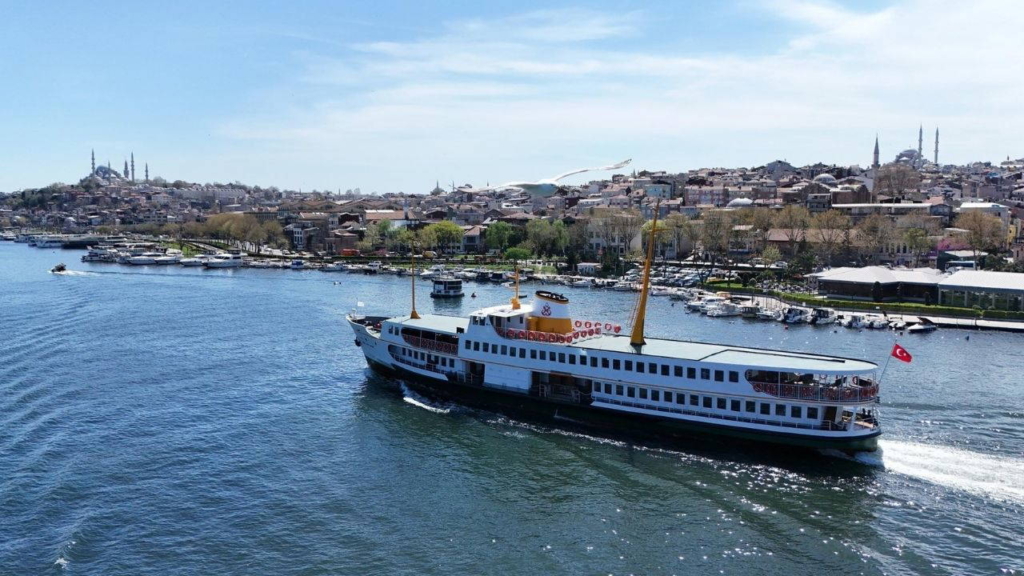

Istanbul City Lines, one of the most iconic and vital components of the city’s public transport system, has officially started operating under its winter schedule. Covering the period from September 9, 2024, to June 22, 2025, the timetable ensures that residents and visitors can continue to enjoy efficient maritime transportation during the colder months. With a fleet of 30 ferries and 53 piers across the city, the service performs an average of 903 trips per day and carries more than 40 million passengers every year. The introduction of the winter timetable reflects both seasonal adjustments and the expansion of maritime mobility in Istanbul.
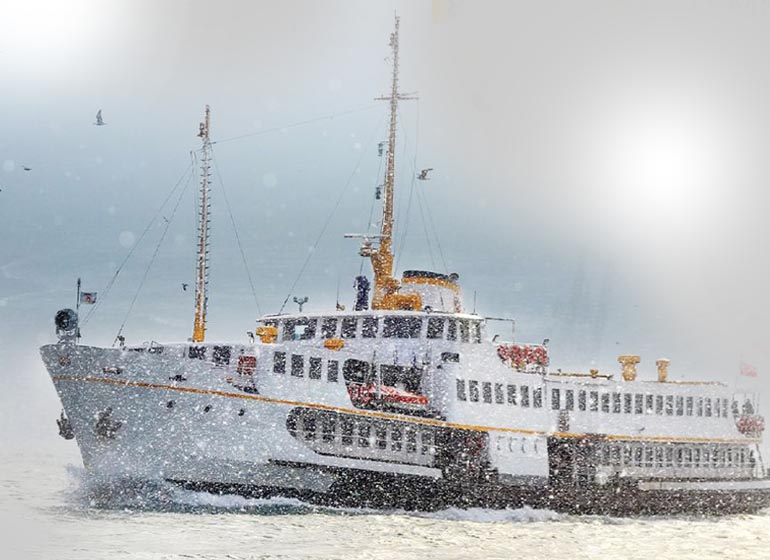
A Rich Legacy of Maritime Transport in Istanbul
Ferry transportation has always held a special place in the daily lives of Istanbul residents. With the Bosporus acting as a natural divider between the European and Asian sides of the city, ferries have served as both practical transport and cultural symbols for more than a century. City Lines ferries are not only about moving passengers from one pier to another, they are also about connecting neighborhoods, cultures, and histories that make Istanbul unique.
During summer months, ferry services operate at higher frequency to accommodate increased demand from both locals and tourists. As autumn arrives, the winter schedule introduces new adjustments, balancing efficiency with the realities of weather, demand, and maritime safety. The new timetable does not reduce the importance of ferries; instead, it strengthens their role as dependable transport across the city.
Expansion of the Ferry Network in Recent Years
Since 2019, Istanbul City Lines has launched 11 new routes, making ferries more accessible than ever. The most recent addition, the Tuzla–Pendik–Büyükada line, began operating during the summer of 2024 and has now been integrated into the winter schedule. This line strengthens connections between Istanbul’s eastern suburbs and the Princes’ Islands, ensuring year-round accessibility for commuters and leisure travelers.
Other newly established routes include the Aşiyan–Anadolu Hisarı–Küçüksu Ring Line, Beykoz–Sarıyer Line, Aşiyan–Üsküdar Line, Kadıköy–Haliç Line, Beşiktaş–Haliç Line, Bostancı–Moda–Karaköy–Kabataş Line, Maltepe–Adalar Line, Bostancı–Adalar Ring Line, Çengelköy–Kabataş Line, and Ortaköy–Beşiktaş–Eminönü Line. Together with these additions, City Lines now operates on 31 routes, expanding the reach of Istanbul’s ferry services and solidifying its role as a backbone of the urban transport network.
Bosporus Tours Continue Throughout the Winter
One of the most attractive features of City Lines is its commitment to preserving the cultural and scenic value of ferry travel. Beyond daily commuting, the ferries offer Bosporus Tours, providing passengers with an opportunity to experience the city’s iconic waterfront views. These tours remain available throughout the winter timetable, with both the Long Bosporus Tour and Short Bosporus Tour operating once daily.
Even in winter, the Bosporus holds its charm. Crisp air, calm waters, and the sight of historic palaces and mosques along the shoreline create an unforgettable experience for both residents and tourists. For many, these tours are more than leisure trips, they are living encounters with the history and geography of Istanbul.
How the Winter Schedule Impacts Daily Commuters
For millions of commuters, ferries are not optional but essential. They provide fast and comfortable alternatives to crowded road traffic and congested bridges. The winter timetable ensures that despite changes in frequency, essential routes remain active and reliable.
Passengers traveling from Kadıköy to Eminönü, Beşiktaş to Üsküdar, or Bostancı to the Princes’ Islands can still count on ferries as daily lifelines. Adjustments mainly focus on reducing excess capacity while maintaining core services during peak hours. For office workers, students, and professionals, ferries remain one of the most punctual and enjoyable forms of urban transportation.
Access to Information and Passenger Services
City Lines provides multiple channels for passengers to stay updated with schedules, delays, and route information. The winter timetable is available at all 53 ferry piers, on the official City Lines website, through the mobile application, and across social media platforms. In addition, passengers can access information via the Alo 153 Solution Center, a dedicated hotline for urban services.
This accessibility reflects a broader trend in Istanbul’s transport services where digital tools are integrated with traditional systems to ensure convenience for passengers of all ages.
The Economic and Cultural Role of Ferries
Beyond transportation, ferries play an economic role by supporting tourism, local businesses, and neighborhood connectivity. Vendors, cafés, and restaurants near ferry piers rely heavily on the flow of passengers. Cultural events and social life also find expression through ferry rides, with many residents considering ferry travel part of their daily ritual rather than just a commute.
The winter timetable ensures that this cultural fabric remains intact. By preserving consistent access to the islands, coastal districts, and central neighborhoods, ferries contribute not only to urban mobility but also to the social and economic vibrancy of Istanbul.
Ferries in the Context of Sustainability
As cities worldwide search for greener transportation solutions, ferries offer advantages that extend beyond convenience. They reduce pressure on road traffic, contribute to lower emissions per passenger compared to cars, and utilize natural waterways that are central to Istanbul’s geography.
Istanbul Metropolitan Municipality has also begun exploring investments in cleaner, more energy-efficient vessels. The expansion of ferry routes since 2019 can be seen as part of this broader strategy of sustainable urban mobility. The winter timetable maintains this trajectory by ensuring consistent operations even during months when demand is traditionally lower.
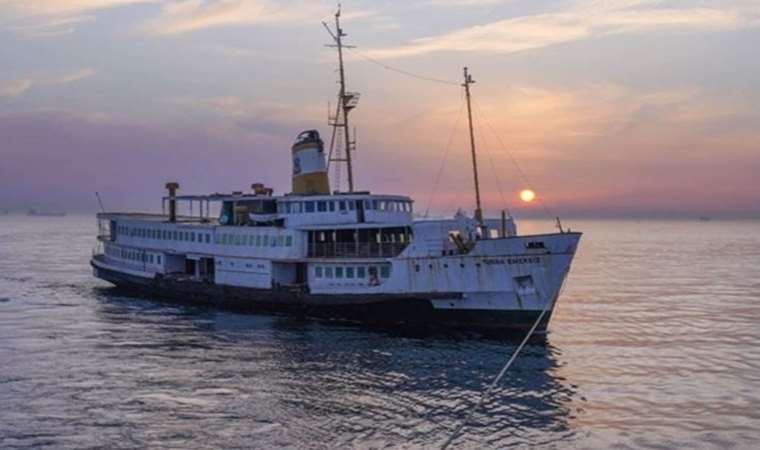
Passenger Expectations During Winter
Travelers using ferries during winter face unique conditions. Shorter daylight hours, cooler temperatures, and potential weather disruptions make planning essential. City Lines has historically maintained strong punctuality records, even in adverse weather, though occasional delays are unavoidable when safety is prioritized.
Passengers are advised to dress in layers, prepare for windy decks, and allow for extra travel time on stormy days. Despite these challenges, the experience of sailing across the Bosporus during winter remains one of the most memorable aspects of life in Istanbul.
Looking Toward the Future
The launch of the winter timetable is not simply an administrative change, it is a reflection of Istanbul’s evolving transport needs. With over 40 million passengers annually, the role of ferries is expected to grow in the coming years. Continued expansion of routes, modernization of the fleet, and integration with other modes of public transport such as metro lines and buses will further strengthen City Lines.
The combination of tradition and innovation ensures that ferries remain not just relics of the past but key components of Istanbul’s future. For residents, this means that even as the city expands and modernizes, the familiar experience of boarding a ferry will remain part of daily life.
Conclusion
Istanbul City Lines has entered the winter season with renewed commitment to serving millions of passengers across 31 routes. With 11 new lines added in recent years and cultural services such as the Bosporus Tour continuing uninterrupted, the ferry system is both a functional necessity and a cultural treasure.
From early-morning commuters to evening tourists, the ferries of Istanbul embody the city’s spirit of connection, resilience, and diversity. As the winter months progress, City Lines will continue to play a central role in keeping the city moving, both physically and symbolically.
Editor’s Note
Ferry rides in Istanbul are more than transportation, they are moments of reflection, connection, and beauty. The transition to the winter timetable may seem routine, but it underscores the city’s commitment to maintaining one of its most cherished traditions while adapting to the needs of modern life.