

Feet are among the most overlooked parts of the human body when it comes to personal care, yet they carry the full weight of our daily lives. Ignoring foot health can lead to a range of preventable issues, from mild discomfort to serious medical complications. Whether it’s cracked heels, painful corns, or infections caused by poor hygiene, your feet deserve more attention than they usually get.
Incorporating a consistent foot care routine at home or through professional treatments can significantly enhance comfort, mobility, and overall health. Especially for people with chronic conditions like diabetes, foot care can be a matter of life and limb.
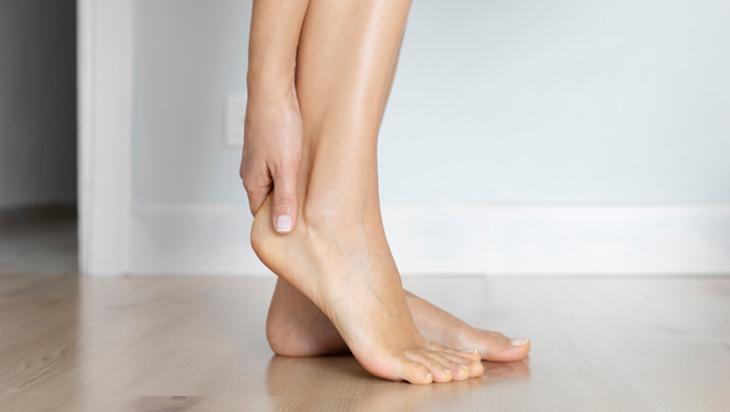
The Dangers of Neglecting Your Feet
One of the most common issues resulting from poor foot hygiene is the formation of corns and calluses. These hardened patches of skin often develop in response to repeated pressure or friction, typically from ill-fitting footwear or excessive walking. While calluses may start as minor rough patches, they can become painful over time, making everyday activities uncomfortable or even unbearable.
In addition to physical discomfort, neglecting foot hygiene can create a breeding ground for fungal and bacterial infections. Moist environments—caused by sweat or improper drying after washing—can lead to athlete’s foot, toenail fungus, and bacterial dermatitis. The symptoms are unpleasant and easy to identify: bad odor, redness, itchiness, and thickened or discolored nails.
Why Diabetics Need to Be Extra Cautious
For individuals living with diabetes, foot care is not just about comfort or aesthetics—it’s a critical component of overall health management. High blood sugar levels can cause nerve damage over time, a condition known as diabetic neuropathy. This results in reduced sensitivity in the feet, meaning that small injuries or blisters may go unnoticed.
Without prompt treatment, these minor wounds can develop into serious infections. In extreme cases, untreated foot ulcers may lead to gangrene and even require amputation. Medical professionals frequently emphasize the importance of regular foot inspections and care for diabetic patients, as early detection can prevent long-term complications.
Daily Habits That Promote Strong and Healthy Feet
Taking care of your feet doesn’t require elaborate rituals or expensive products. With a few basic daily habits, you can maintain healthy, pain-free feet and avoid many common problems.
Wash and Dry Your Feet Thoroughly
Make it a routine to wash your feet every day using mild soap and warm water. Equally important is ensuring your feet are dried properly, especially between the toes, to prevent moisture buildup and fungal infections.Moisturize Regularly
Dry skin is more prone to cracking, which opens the door to infection. Apply a foot-specific moisturizer after bathing, avoiding the spaces between the toes to reduce the risk of fungal growth.Wear Properly Fitting Shoes
Shoes that are too tight or too loose can cause blisters, corns, and even deformities like bunions. Choose footwear that supports the arch, cushions the heel, and allows for adequate toe movement.Trim Toenails Correctly
Always cut your toenails straight across and avoid trimming too close to the skin. This helps prevent ingrown toenails, which can become infected if not treated early.Let Your Feet Breathe
Avoid wearing the same pair of shoes every day. Alternate your footwear to allow each pair to air out, and opt for breathable socks made from cotton or moisture-wicking materials.

Pedicure as Preventive Medicine
Getting a pedicure isn’t just a beauty treatment—it can serve as preventive care. Whether done at home or by a professional, regular pedicures help remove dead skin, reduce callus buildup, and keep nails trimmed and clean. Trained specialists can also identify early signs of fungal infections, ingrown toenails, or circulatory issues, especially useful for elderly individuals and those with diabetes.
For best results, always choose hygienic and reputable salons, or sterilize your tools thoroughly before performing a pedicure at home.
When to Seek Medical Attention
Foot issues should never be ignored, especially if symptoms persist or worsen. You should consult a healthcare provider if you notice:
Persistent redness or swelling
Open sores or blisters that don’t heal
Pus or discharge
Unusual changes in skin color or temperature
Chronic foot pain or numbness
Dermatologists warn that dry, cracked heels, changes in skin texture or tone, and persistent discomfort can be early indicators of systemic conditions like diabetes, vascular disease, or even autoimmune disorders.
Special Care Tips for Different Seasons
Foot care isn’t a one-size-fits-all practice—it should evolve with the seasons.
In Summer: Use foot powder to control sweat and odor. Open-toed shoes can expose your feet to dirt and trauma, so keep them protected and clean.
In Winter: Dry air can cause skin to crack more easily. Use heavier moisturizers and wear wool socks to lock in hydration.
During Rainy Seasons: Avoid walking in wet shoes for extended periods. Fungus thrives in damp conditions, making infections more likely.
Foot Health in the Context of Aging
As people age, the structure and function of the feet change. The skin loses elasticity, toenails thicken, and the natural cushioning in the soles may diminish. Elderly individuals often experience decreased circulation, which slows the healing process.
For aging adults, foot inspections should be part of daily hygiene. Caregivers are advised to check for any signs of pressure sores, deformities, or infection, especially if the person is diabetic or has limited mobility.
The Link Between Foot Health and Quality of Life
Healthy feet are essential for mobility, independence, and overall well-being. Foot problems can lead to reduced activity levels, poor posture, and an increased risk of falls—particularly in older adults.
Investing in foot care is a proactive step toward a healthier lifestyle. It allows people to remain active, reduces healthcare costs associated with preventable complications, and boosts confidence in daily life.
Conclusion without Calling It That
By making foot care a regular part of your self-care routine, you not only prevent minor issues from becoming major medical concerns but also improve your quality of life. Whether you’re young or old, diabetic or not, taking care of your feet is one of the simplest and most impactful things you can do for your health.