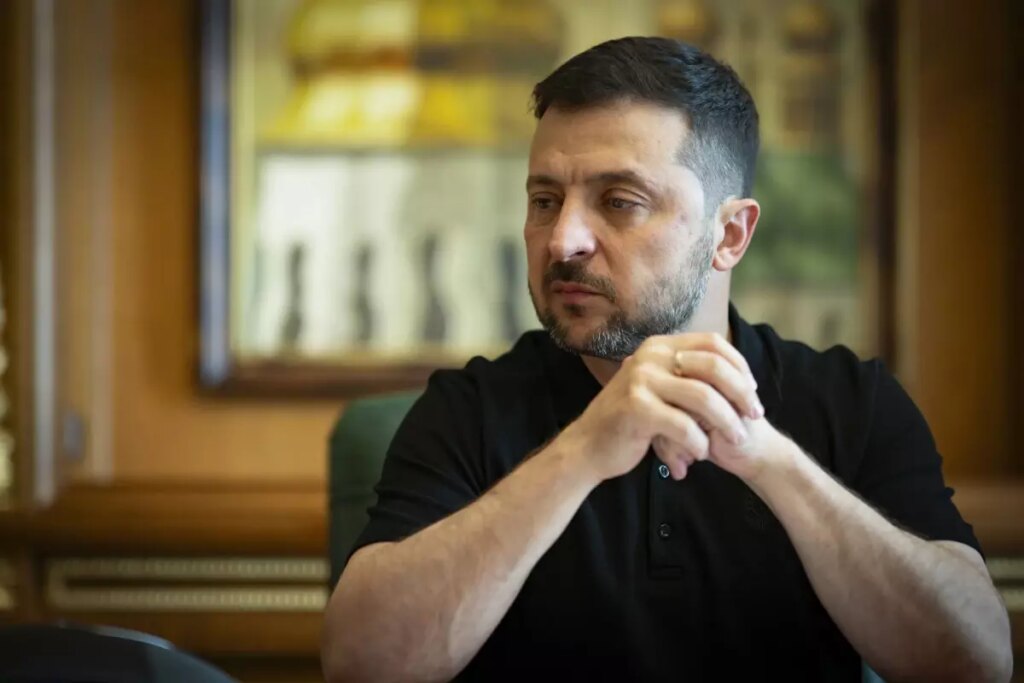

Ukrainian President Volodymyr Zelensky has opened the door for direct peace talks with Russian President Vladimir Putin, suggesting that Türkiye, Gulf nations, or European countries could serve as neutral hosts for the negotiations.
In a video message shared on social media, Zelensky stated:
“We will be in contact with countries like Türkiye, the Gulf, and European nations that could act as platforms for negotiations with Russia this week. On our part, everything will be ready to end this war.”
The message came following a meeting between Zelensky and British military officials regarding the ongoing conflict with Russia. His remarks signal a possible shift in Ukraine’s diplomatic posture, emphasizing a readiness for talks if credible mediation and pressure are applied to Moscow.
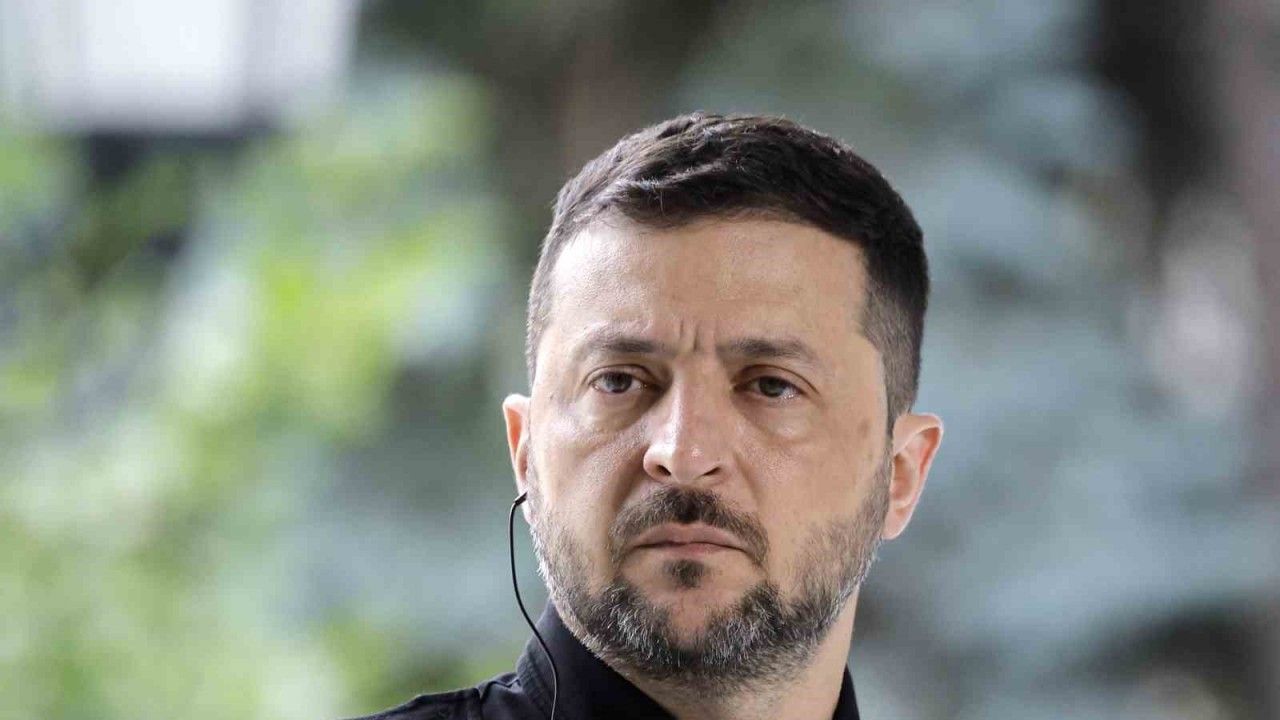
Reiterating the Call for International Pressure
Zelensky also highlighted the crucial role of the international community, especially the United States, in pressuring Russia to genuinely engage in peace efforts. He said:
“Russia’s only message so far is to avoid real negotiations. That can only change with sanctions, strong customs duties, and genuine pressure.”
This stance echoes Ukraine’s long-held position that Russia has consistently resisted meaningful dialogue, often using peace talks as a delay tactic while continuing its military operations.
Türkiye’s Strategic Role in Mediation
Türkiye has been a recurring name in global efforts to mediate between Kyiv and Moscow. Ankara previously facilitated several rounds of negotiations, including the grain deal and prisoner exchanges. President Recep Tayyip Erdoğan has maintained relations with both sides and has repeatedly expressed readiness to act as a peace broker.
Zelensky’s direct reference to Türkiye as a potential “platform for talks” reinforces Ankara’s status as one of the few countries maintaining communication lines with both Ukraine and Russia without taking sides militarily.
Expanding the Diplomatic Horizon
Zelensky’s mention of Gulf states (likely the UAE, Qatar, or Saudi Arabia) and European countries widens the scope of possible diplomatic engagement. Gulf nations have recently increased their roles in international mediation efforts, leveraging their financial clout and regional stability to host high-stakes talks.
In Europe, Switzerland, Austria, and France have previously shown interest in peacebuilding efforts related to the Ukraine crisis. The Ukrainian leader’s statement suggests that Kyiv is broadening its diplomatic appeal, seeking not only Western support but also engagement from neutral or non-aligned players.
What This Means for the Conflict
Zelensky’s remarks don’t confirm imminent talks but signal a renewed openness—contingent on Russia’s willingness to participate honestly. At the same time, Kyiv maintains that pressure mechanisms, such as economic sanctions and trade restrictions, must remain central to pushing Russia toward diplomacy.
Zelensky’s tone reflects a dual-track strategy: readiness for peace, but not at the expense of territorial integrity or sovereignty.
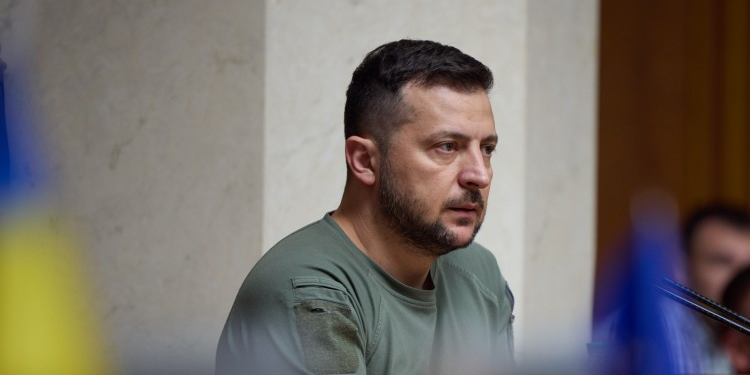
Ongoing War and Global Response
The war in Ukraine has entered its third year, with little progress on the battlefield but increasing signs of fatigue in global diplomatic channels. Western support, while strong, is occasionally hampered by domestic political divisions—especially in the U.S. and EU.
At the same time, Russia faces growing economic strain due to prolonged sanctions, limited international partnerships, and mounting military losses. This sets the stage for a potential diplomatic thaw—though any real progress depends on trustworthy mediation and enforcement mechanisms.
Looking Ahead
While Zelensky’s message offers no concrete timeline or confirmed talks, it sends a clear signal to the global community: Ukraine is willing to end the war through diplomacy—if the terms are just, and the process credible.
Türkiye, with its previous experience and geopolitical balance, remains a frontrunner for facilitating any breakthrough. Gulf nations and Europe could support logistics, security, or backchannel diplomacy.
But without genuine pressure on the Kremlin, Zelensky warns, “Russia will continue to dodge real negotiations.”