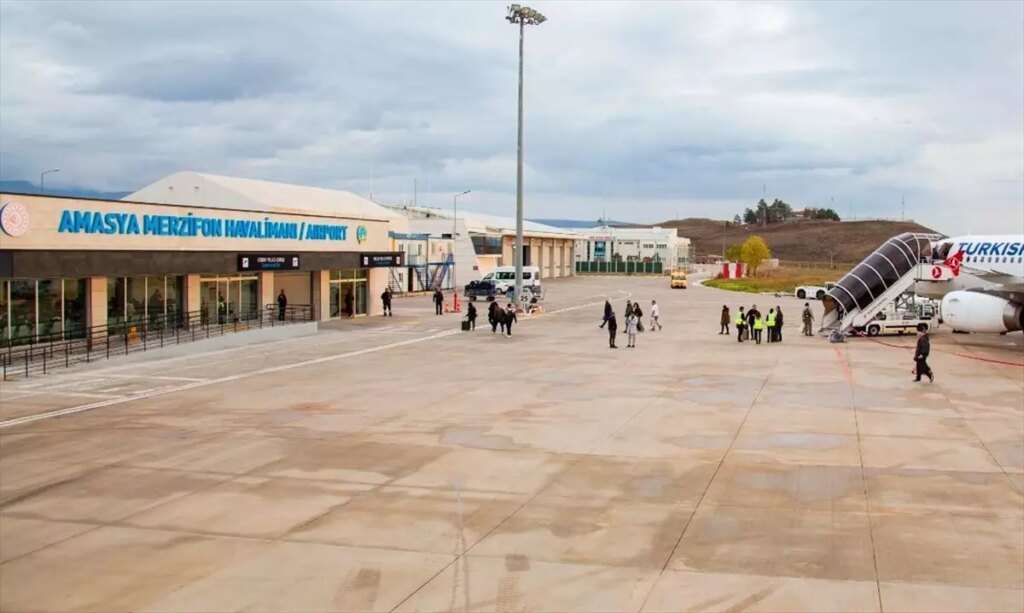

Amasya Merzifon Airport, located in Türkiye’s Black Sea region, continues to play a key role in regional air transportation. According to the General Directorate of State Airports Authority (DHMİ), the airport served 77,358 passengers during the first six months of 2024.
From January to June, a total of 632 aircraft movements—including both arrivals and departures—were recorded at the facility. The airport’s steady passenger flow reflects its growing importance for domestic connectivity, particularly for residents of Amasya and the surrounding Merzifon district.
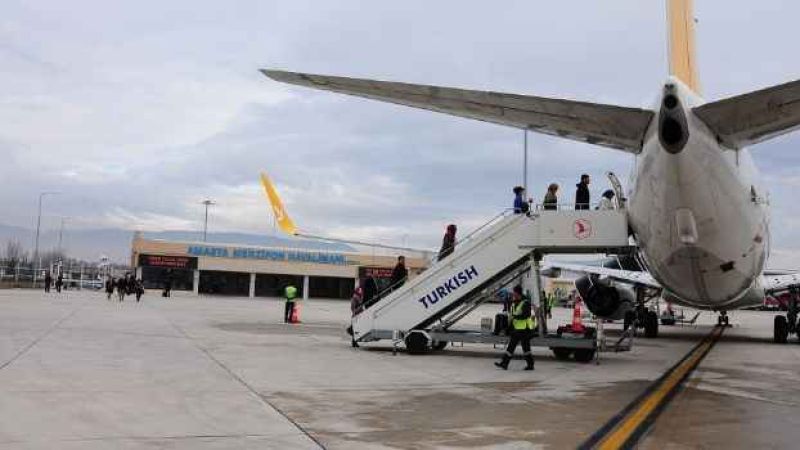
Cargo Traffic and Monthly Performance Also On the Rise
In addition to its passenger services, Amasya Merzifon Airport handled 725 tons of cargo, including mail and baggage, during the same six-month period. This figure highlights the airport’s role not only in human mobility but also in the logistical network that supports regional commerce and communication.
In June alone, the airport welcomed 14,488 travelers, showcasing a strong monthly performance as Türkiye’s summer travel season began to peak.
A Strategic Gateway for the Region
As one of the key airports in Türkiye’s inland regions, Amasya Merzifon provides vital access to air travel for residents who might otherwise face long overland journeys. The airport supports both tourism and local economic activity, serving as a hub for business travelers, government officials, and families alike.
Its manageable size and user-friendly layout make it an attractive option for travelers seeking convenience and efficiency compared to larger, more crowded terminals.
Ongoing Development and Demand
While Amasya Merzifon is not among Türkiye’s largest air hubs, its consistent traffic volumes and reliable operations make it a vital part of the national aviation infrastructure. With the continued development of regional air transport and Türkiye’s growing focus on decentralized travel options, airports like Amasya Merzifon are expected to receive further investment and strategic attention.
Passenger satisfaction, punctuality, and ease of access remain core priorities, and DHMİ is expected to continue monitoring and enhancing airport services across the country.
Conclusion
The first-half performance figures for Amasya Merzifon Airport demonstrate its value as a regional transport asset. With over 77,000 passengers served, 632 flights managed, and hundreds of tons of cargo processed, the airport continues to contribute meaningfully to Türkiye’s broader transportation goals.
As Türkiye enhances its domestic connectivity, regional airports such as Amasya Merzifon will remain essential for bridging geographic gaps and supporting economic development in less urbanized provinces.