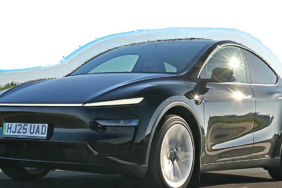

Xiaomi’s SU7 Ultra, a high-performance electric sedan, has finally delivered on its promised power output after a frustrating period for its early adopters. Upon its release, many customers were disappointed to discover that the car’s power was capped at 900 horsepower due to a software limitation.
This issue was especially disheartening for customers who had paid a premium for what was marketed as a flagship-level vehicle.
The SU7 Ultra’s Initial Power Limitation and Customer Reaction
The true potential of the SU7 Ultra had already been demonstrated in a Nürburgring test where a prototype of the car clocked an impressive lap time of 6 minutes 46.874 seconds. This performance put it ahead of competitors like the Tesla Model S Plaid, boasting more than 1,500 horsepower.
The SU7 Ultra had outpaced iconic hypercars such as the Rimac Nevera, Porsche 918, and Corvette ZR1, proving that Xiaomi’s electric sedan had the capability to rival some of the best in the business.
However, the commercial version of the SU7 Ultra was limited to just 650 horsepower due to software restrictions. This discrepancy between the pre-production prototype’s performance and the production model’s capabilities led to a significant amount of frustration among early buyers.
Customers who had expected an ultra-high-performance vehicle were left feeling deceived, especially considering the premium pricing of the car.
Xiaomi’s Swift Response: Software Update to Unlock Full Potential
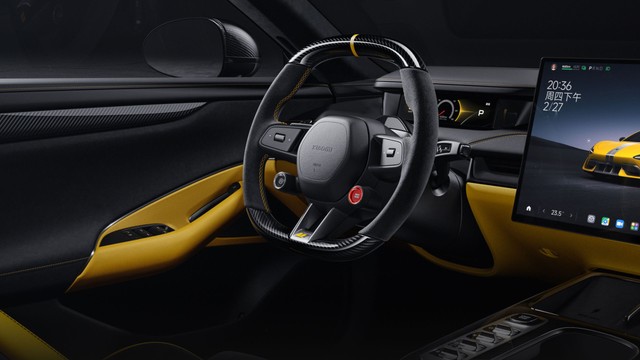
Following a growing backlash on social media, Xiaomi swiftly acted to resolve the issue. The company released an update that unlocked the full 1,500 horsepower, restoring the car to its originally advertised specifications. In an official statement, Xiaomi expressed their commitment to listening to customer feedback, saying, “We value the feedback from our community and will ensure more transparent communication moving forward.”
This swift action from Xiaomi illustrates the importance of customer satisfaction in the competitive automotive market, especially when dealing with premium products. The incident also highlights the evolving relationship between hardware and software in the automotive industry, as software updates now play a significant role in unlocking additional features and performance capabilities.
The Growing Role of Software in the Automotive Industry
Xiaomi’s decision to use software to limit and then later unlock the SU7 Ultra’s power brings attention to a growing trend in the automotive industry: the increasing use of software-based limitations and over-the-air (OTA) updates.
This approach offers manufacturers the flexibility to remotely update features and enhance the vehicle’s performance, often unlocking more horsepower or additional features post-purchase. For automakers, this presents a lucrative revenue model and an opportunity to offer continuous improvement for their vehicles.
However, many consumers still view their cars as hardware products, where performance should be determined by the physical components rather than by software updates. This clash of perspectives can lead to discontent when vehicles are marketed with certain capabilities that are later restricted or altered post-sale.
The Xiaomi SU7 Ultra case serves as a perfect example of how software-based restrictions can stir controversy and customer dissatisfaction. While OTA updates provide clear benefits to manufacturers, it is evident that balancing technological innovation with customer expectations is crucial. Car manufacturers will need to find ways to ensure that these software interventions are transparent and do not compromise the trust of their consumers.
Source: otomobilhaber.com