
As geopolitical tensions stemming from Russia’s ongoing conflict with Ukraine continue to rattle global sectors, aviation remains one of the most visibly impacted. In the wake of international sanctions, Russia’s aviation industry is struggling to sustain operations amid shortages of aircraft parts, grounded international routes, and aging fleets. In this context, Turkey has emerged as a pivotal partner—both a travel hub for Russian tourists and a rare aviation link to the broader world.
Yet even this relationship is being tested. Recent reports from Rosaviatsiya—the Russian Federal Air Transport Agency—suggest that Turkish Airlines (THY) may face formal warnings and even operational restrictions following a wave of flight delays and alleged passenger rights violations. This article explores the developments, their broader implications, and what they reveal about the fragility of international air travel in politically volatile climates.

The Growing Role of Turkey in Russian Air Travel
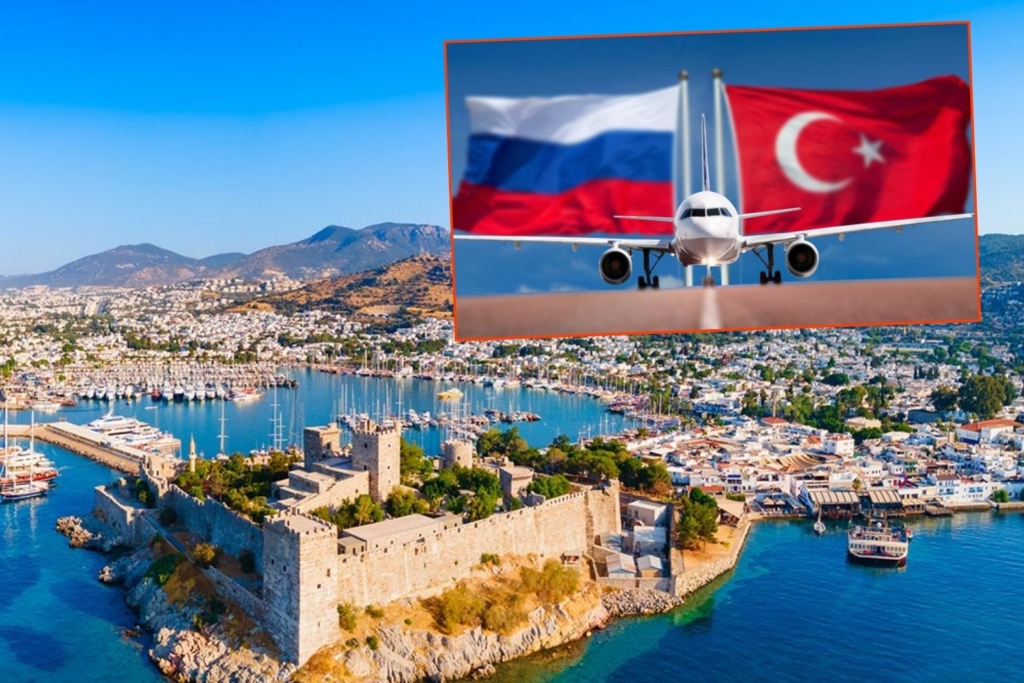
As Europe has largely closed its skies to Russian carriers, Turkey has become a crucial node for Russian international travel. Antalya, Bodrum, and Istanbul airports now handle a growing share of Russia’s outbound tourism. However, with Russian airports facing periodic shutdowns due to security concerns—ranging from drone threats to airspace closures—flight schedules have become increasingly unstable.
This instability is creating ripple effects not only for Russian carriers but also for international airlines operating in the region—chief among them, Turkish Airlines.
20-Hour Delay and Passenger Dissatisfaction
According to Rosaviatsiya’s recent statement, Turkish Airlines Flight TK3127, scheduled to fly from Russia to Bodrum, was delayed by nearly 20 hours. While delays in international aviation are not uncommon, what triggered regulatory ire was Turkish Airlines’ alleged failure to comply with Russia’s passenger rights laws.
Under Russian aviation regulations:
After a 2-hour delay: Airlines must provide beverages.
After 4 hours: A hot meal must be served.
After 8 hours: The airline is obligated to arrange hotel accommodation, provide transport, and ensure luggage safekeeping.
In the case of TK3127, none of these obligations were reportedly met, leaving passengers stranded and unsupported. Social media platforms, particularly Telegram, were flooded with videos and testimonials showing distressed travelers without food, water, or basic updates on flight rescheduling.
Regulatory Backlash and Media Outrage
Rosaviatsiya has not only confirmed the veracity of these claims but has also stated that they are investigating the incident in full detail. Spokesperson Artyom Korenyako emphasized that images and testimonies shared online align with regulatory violations.
This isn’t the first time Turkish Airlines has faced scrutiny in Russia. Previous instances of baggage delays and incomplete cargo delivery—attributed to “fuel optimization and alternative airport planning”—have also stirred public dissatisfaction.
The consequences this time may be more severe.
Flight Restrictions on the Horizon?
The Russian aviation authority is now openly considering restrictions on Turkish Airlines’ additional flights beyond those officially permitted in bilateral agreements. In essence, this could mean a rollback of “extra” flights—those added to meet seasonal demand or charter agreements—which could significantly curtail THY’s revenue from the Russia-Turkey route.
If implemented, such restrictions would:
Reduce the number of available flight seats for Russian tourists.
Increase prices due to supply limitations.
Strain bilateral tourism agreements.
Increase pressure on Turkish Airlines to meet international passenger service standards.
These potential moves mark a serious escalation in aviation diplomacy and signal that even longstanding partners like Turkey and Russia are not immune to regulatory retaliation when operational standards fall short.
The Sanctions Shadow
To understand the backdrop of this conflict, one must examine the far-reaching consequences of Western sanctions on Russian infrastructure. The aviation sector, reliant on Boeing and Airbus fleets, has been particularly crippled. Without access to spare parts and servicing rights, Russian carriers are grounded in more ways than one.
In response, Russian aviation authorities are heavily relying on international airlines to fill the void. Turkish Airlines, as a flag carrier with global reach, finds itself in a position of both opportunity and risk.
What This Means for Global Carriers
The situation poses a critical question for international aviation: How do airlines navigate operations in sanctioned economies without triggering compliance issues or breaching passenger rights?
For Turkish Airlines, maintaining service to Russia involves:
Aligning with Russian domestic aviation laws.
Maintaining operational efficiency despite unpredictable airport closures.
Managing international perception and crisis response when delays occur.
Any deviation, whether logistical or communicative, risks not only fines or restrictions but broader brand damage in a hyper-connected digital world.
The Cost of a Missed Meal
It may seem trivial to some that a delayed sandwich or hotel voucher could trigger such international consequences. However, in aviation—especially in sanctioned economies—these details matter.
What Turkish Airlines is experiencing is a convergence of:
Geopolitical tension
Operational complexity
Customer expectation
Regulatory scrutiny
Each of these components alone is manageable. Together, they form a precarious balancing act.
What Turkey Stands to Lose
From a Turkish perspective, the implications are significant. Russian tourists make up a substantial portion of Turkey’s inbound travel sector. Any reduction in flight capacity could negatively affect:
Hotel occupancy rates in Antalya, Bodrum, and Marmaris.
Revenue for Turkish airports handling Russia-Turkey routes.
Tourism-related businesses including restaurants, transport services, and tour operators.
Should Russian authorities proceed with restrictions, the Turkish tourism sector—already rebounding post-pandemic—could face renewed challenges.
A Delicate Airspace Diplomacy
The Turkish Airlines-Rosaviatsiya standoff is a microcosm of a much larger issue: navigating international cooperation in a world defined by sanctions, politics, and digital outrage. As Turkish Airlines awaits a formal notice, the broader lesson for global aviation players is clear—compliance with local laws, transparent crisis communication, and adaptive logistics are not optional luxuries; they are prerequisites for survival.