

As an intense heatwave of African origin sweeps across Türkiye, meteorological authorities are urging citizens to prepare for the hottest stretch of the summer. The Disaster Coordination Center (AKOM) has issued a warning regarding dangerously high temperatures expected to affect large parts of the country, including major cities like Istanbul.
According to AKOM, the scorching conditions will peak during midday hours, with temperatures in Istanbul nearing 39°C and exceeding 40°C in several inland and western regions. The combination of high heat and elevated humidity levels is expected to create oppressive and potentially hazardous conditions through the weekend.
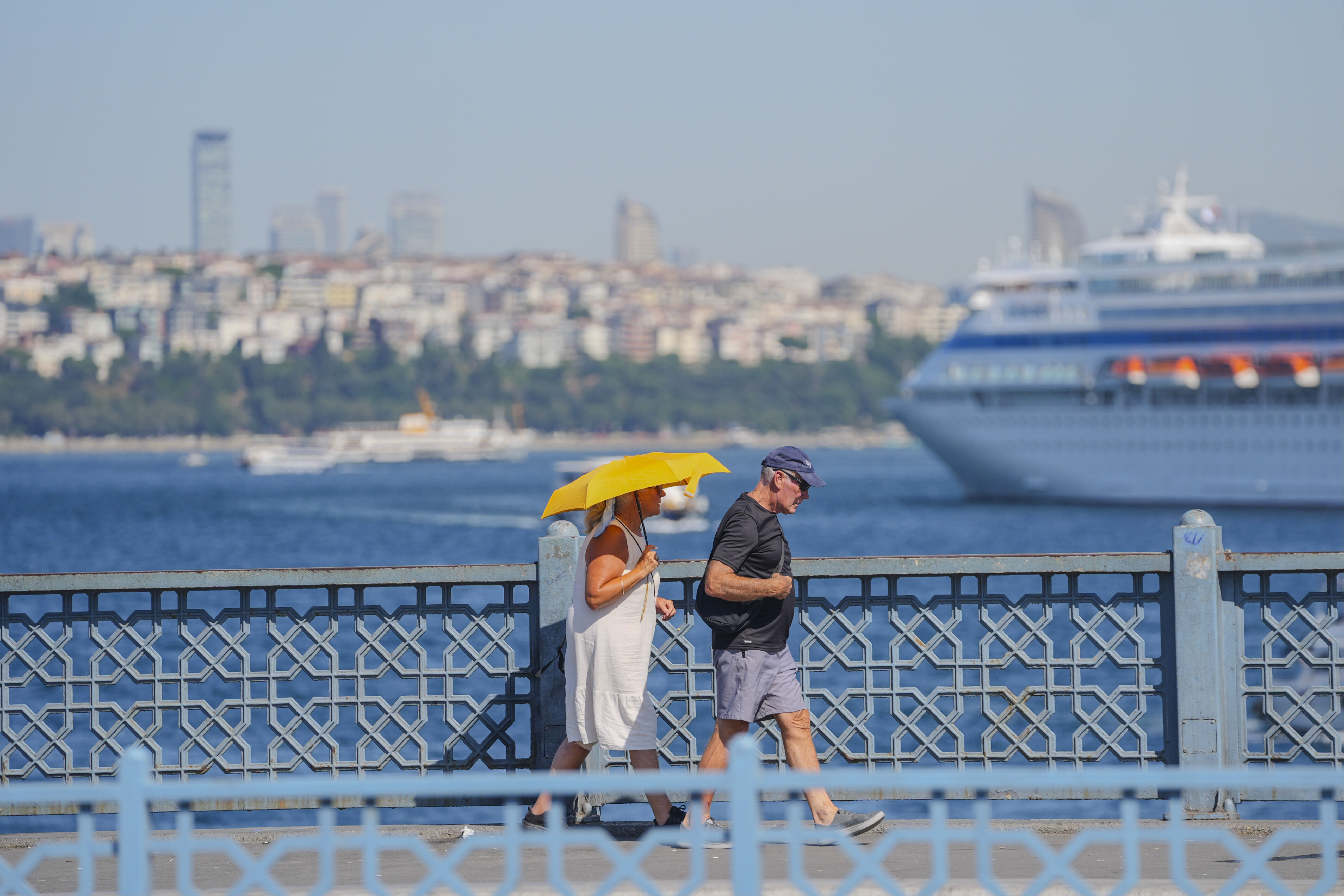
Record-Breaking Heat Expected Across Türkiye
AKOM’s meteorological alert outlines the onset of an extreme heatwave caused by a high-pressure system moving from North Africa into the eastern Mediterranean basin. This weather pattern is pushing hot, dry air into Türkiye, creating a thermal dome effect that traps heat and increases surface temperatures.
The report states that Friday marks the hottest day of the week, with temperature highs reaching or surpassing 40°C in provinces such as Manisa, Adana, Antalya, and parts of the Marmara and Aegean regions.
For residents of Istanbul, the peak daytime heat is expected to hit 39°C, significantly above seasonal norms. Although nighttime lows may drop slightly due to sea breezes, daytime hours—especially between 11:00 and 16:00—will present health risks due to both extreme temperatures and rising humidity.
The Role of Poyraz Winds in Temperature Regulation
One element offering partial relief from the heat is the Poyraz, a north-to-northeast wind common in the Marmara region during the summer. AKOM stated that while this wind may help suppress temperature spikes by cooling the atmosphere intermittently, it will also increase relative humidity levels, particularly in coastal and urban areas.
Poyraz winds are forecasted to blow at speeds ranging from 20 to 50 km/h, starting from Friday evening and continuing intermittently through Sunday. While the winds may offer a refreshing breeze during peak heat hours, the rise in moisture in the air is expected to make the heat feel even more intense.
This phenomenon—known as the “heat index” or “real-feel temperature”—can cause discomfort and elevate health risks, especially for vulnerable populations such as the elderly, children, and those with chronic health conditions.
Humidity Levels Could Reach 85% in Some Areas
AKOM’s advisory warns that relative humidity may rise to between 40% and 85%, further compounding the effects of high temperatures. Elevated humidity levels slow the body’s ability to cool itself through sweat evaporation, increasing the risk of heat exhaustion and heatstroke.
Experts stress that indoors and shaded areas may not offer sufficient relief if ventilation is poor or if air conditioning is unavailable. Urban heat island effects—caused by heat-absorbing concrete and infrastructure—may further intensify conditions in metropolitan areas like Istanbul, Ankara, and Izmir.
Public Health Precautions and Safety Measures
In its statement, AKOM urged citizens to take serious precautions, particularly during the hours when the sun’s rays are most direct, between 11:00 AM and 4:00 PM. Key recommendations include:
Avoiding prolonged sun exposure, especially for the elderly and children
Staying hydrated by drinking plenty of water, avoiding sugary and caffeinated beverages
Wearing light-colored, loose-fitting clothing and a wide-brimmed hat when outdoors
Keeping pets indoors and ensuring animals have access to water and shade
Checking on neighbors or relatives who may be more susceptible to heat-related illnesses
Medical professionals warn that even healthy individuals should limit physical activity during peak heat hours. Employers, particularly in the construction and agriculture sectors, are advised to adjust work schedules and provide shaded resting areas for workers.
Impact on Agriculture and Energy Demand
Beyond human health, the heatwave is also expected to affect agricultural production, particularly in southern and western Türkiye where crops such as olives, citrus fruits, and vegetables are susceptible to heat stress.
The increased demand for air conditioning and cooling systems may also strain Türkiye’s energy infrastructure, potentially leading to localized power outages if consumption exceeds grid capacity. Citizens are encouraged to conserve electricity where possible and avoid peak usage during afternoon hours.
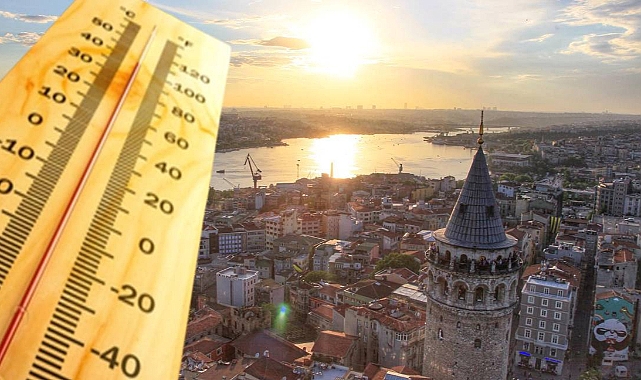
Climate Experts Weigh In: Heatwaves Becoming More Common
Meteorologists and climate scientists note that such heatwaves are no longer rare anomalies but are increasingly becoming part of the norm due to global climate change. Türkiye, like many Mediterranean countries, is experiencing longer, more frequent, and more intense heatwaves than in previous decades.
According to the Turkish State Meteorological Service (TSMS), average summer temperatures in Türkiye have risen by nearly 1.5°C over the past 50 years. Heatwaves now occur earlier in the season, last longer, and cover a broader geographic area.
These developments underline the need for long-term adaptation strategies, including heat-resilient urban planning, improved cooling access for vulnerable communities, and climate-conscious agricultural policies.
Conclusion: Staying Safe During the Heatwave
With the extreme heat forecasted to persist until at least Sunday, Türkiye’s citizens are urged to remain cautious and prioritize their health. While the Poyraz wind may provide some intermittent relief, the overall combination of high temperatures and humidity presents a genuine public health concern.
From Istanbul’s bustling streets to the rural farmlands of the south, staying cool, hydrated, and informed is essential in weathering this intense period of summer heat. As Türkiye continues to grapple with the effects of climate change, individual awareness and government readiness will be key to minimizing risk and ensuring public safety.