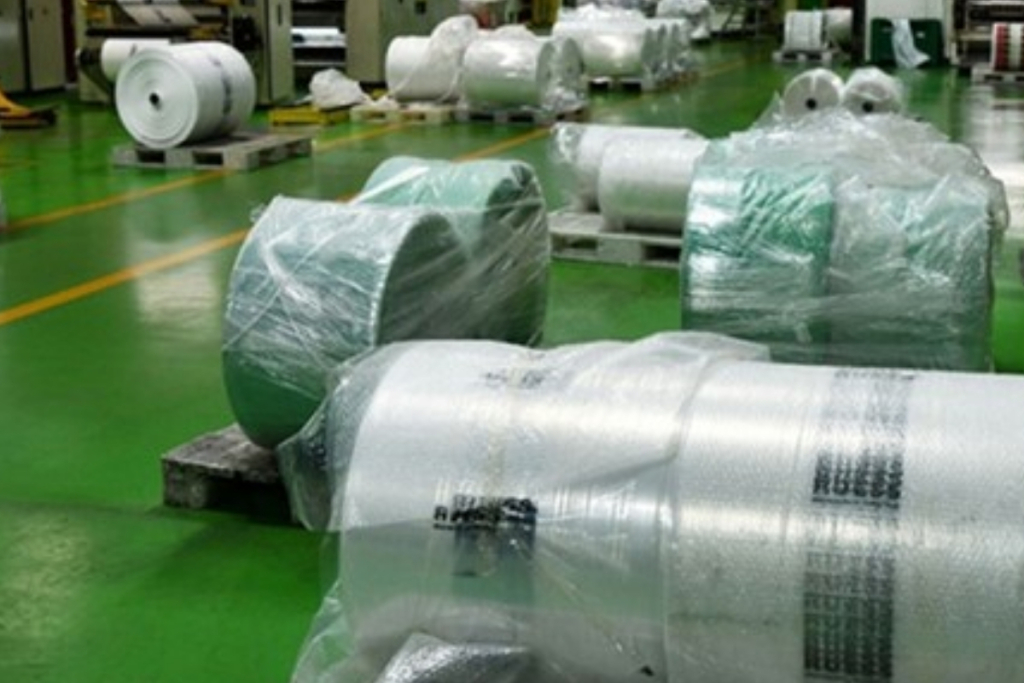

In a significant move to protect its domestic packaging industry, Türkiye has announced the imposition of additional anti-dumping duties on imports of biaxially oriented polypropylene (BOPP) film products from China, Egypt, and Russia. The decision, published in today’s edition of the Official Gazette, follows the conclusion of a comprehensive investigation by the Board for the Evaluation of Unfair Competition in Imports under the Ministry of Trade.
The ruling confirms that imported BOPP films from the aforementioned countries have caused material damage to local producers by being sold at unfairly low prices. In response, Türkiye will now enforce variable duty rates ranging from 12.85% to 62.94% for products from China and Egypt, and a flat rate of 47.14% for Russian-origin products.
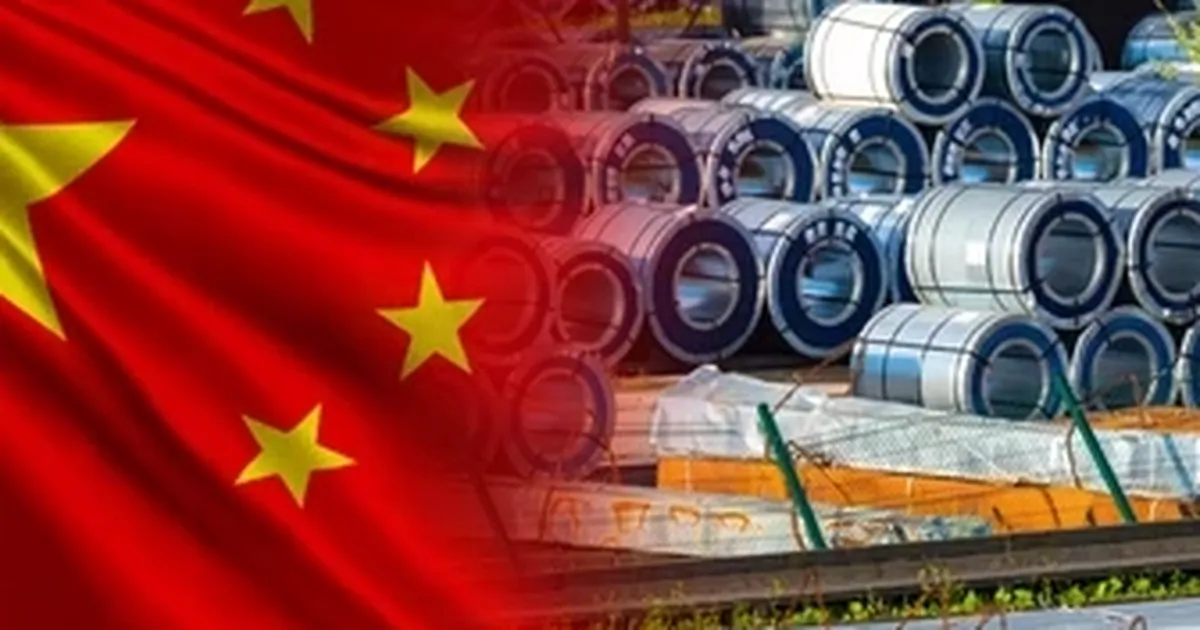
What Is BOPP Film and Why It Matters
BOPP (biaxially oriented polypropylene) film is a critical input for multiple industries. Known for its clarity, strength, and moisture resistance, BOPP film is widely used in:
Food packaging
Textile wrapping
Cigarette pack sealing
Adhesive tape production
Paper and carton lamination
Floral and gift wrapping
Audio/video cassette packaging (historically)
Its versatility and importance make it one of the most consumed plastic films worldwide. In Türkiye, the film serves as a foundational material for both large-scale industrial manufacturers and small-scale local producers, making its pricing and availability crucial for national production sustainability.
The Rise of Dumping Concerns in Türkiye’s Packaging Industry
According to the findings of the Ministry of Trade, Türkiye’s local BOPP film producers have been struggling to compete with low-cost imports from China, Egypt, and Russia. These countries were found to be exporting BOPP films at below-market prices, creating a price war that has eroded the financial stability of domestic manufacturers.
“Dumping” refers to the practice of exporting products at a price significantly lower than their value in the exporting country’s domestic market, often as a strategic move to gain market share abroad. While it may benefit consumers in the short term through lower prices, it frequently undermines local industries in the long run.
Türkiye’s investigation determined that this exact pattern had played out in its BOPP film sector—leading to capacity underuse, revenue losses, and potential layoffs in local manufacturing.
Breakdown of New Anti-Dumping Duty Rates
As per the official ruling:
China and Egypt: Anti-dumping duty rates vary between 12.85% and 62.94%, depending on the exporter and specific trade volume.
Russia: A uniform 47.14% additional duty has been imposed across all exporters.
These tariffs are expected to remain in place for several years, subject to periodic review based on market behavior and compliance with fair trade practices.
Implications for Domestic Industry and Market Prices
The Turkish packaging sector, particularly those involved in flexible packaging, has welcomed the decision. By curbing unfair competition, the Ministry’s move is anticipated to:
Stabilize prices for domestically produced BOPP film
Revive the profitability of local manufacturers
Encourage reinvestment in production capacity
Prevent further job losses in the sector
However, industry analysts warn that there may be short-term price increases in the market as import volumes shrink and supply tightens. Companies heavily reliant on imported BOPP film for their production processes might face cost increases until domestic capacity fully recovers.
Türkiye’s Packaging Sector and Global Supply Chains
Türkiye’s packaging industry is a key driver of its industrial output. With exports reaching dozens of countries in Europe, Asia, and Africa, Türkiye has become a hub for quality packaging materials. The protection of foundational inputs like BOPP film is essential for the industry’s long-term viability.
At the same time, global supply chains for plastic films are notoriously complex. China, in particular, has dominated the market due to its large-scale production facilities and cost advantages. By implementing anti-dumping duties, Türkiye is not isolating itself but rather pushing for a more balanced and fair global trade environment.
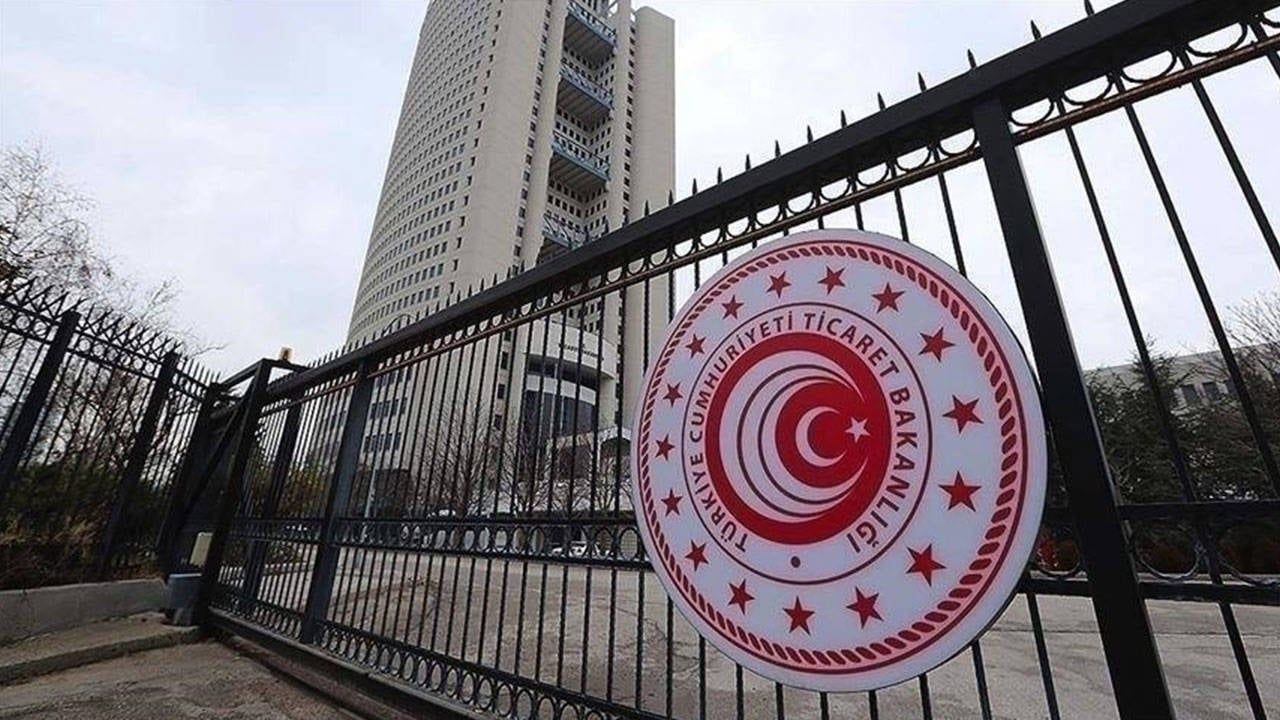
What Local Manufacturers Are Saying
Representatives from Türkiye’s major BOPP film producers have expressed relief and optimism following the announcement. One industry executive stated:
“For years, we have operated under extreme pricing pressure from low-cost imports. This decision sends a clear message that Türkiye values its manufacturers and is willing to act against unfair practices. We now have a fair chance to grow again.”
Trade unions and local chambers of commerce have also backed the decision, citing the importance of protecting local production and safeguarding jobs in vulnerable industrial regions.
Balancing Protectionism and Open Trade
While protective tariffs can stabilize domestic industries, they also walk a fine line with international trade commitments. Türkiye, a member of the World Trade Organization (WTO), is expected to maintain transparency and fairness in its trade regulations.
By basing its decision on a formal investigation and aligning its practices with WTO guidelines on anti-dumping, Türkiye has avoided triggering international disputes while still taking necessary steps to defend its economic interests.
Looking Ahead: Will This Set a Precedent?
This latest action may be part of a broader trend in Türkiye’s trade policy, which is increasingly focused on reducing dependency on vulnerable imports and nurturing local industrial resilience. As geopolitical tensions and raw material crises continue to impact global markets, more such protective measures could be introduced in other sectors facing similar pressures.
Conclusion
Türkiye’s imposition of anti-dumping duties on BOPP film imports from China, Egypt, and Russia is a bold yet calculated step toward protecting its packaging industry. With immediate effects expected in pricing, supply chains, and domestic production, the decision reflects a deeper shift in Türkiye’s approach to trade, industrial sovereignty, and market fairness.
As local producers breathe a sigh of relief and global exporters take note, Türkiye sends a clear message—competition is welcome, but not at the expense of fairness and sustainability.