
As violence escalates in southern Syria and Israeli airstrikes continue to shake Damascus, Türkiye has confirmed that it is engaging in official defense cooperation with the newly established Syrian government. This development, disclosed during a press briefing at the IDEF 2025 International Defense Industry Fair in Istanbul, signals a potential turning point in Türkiye-Syria relations—one that blends military strategy with regional diplomacy.
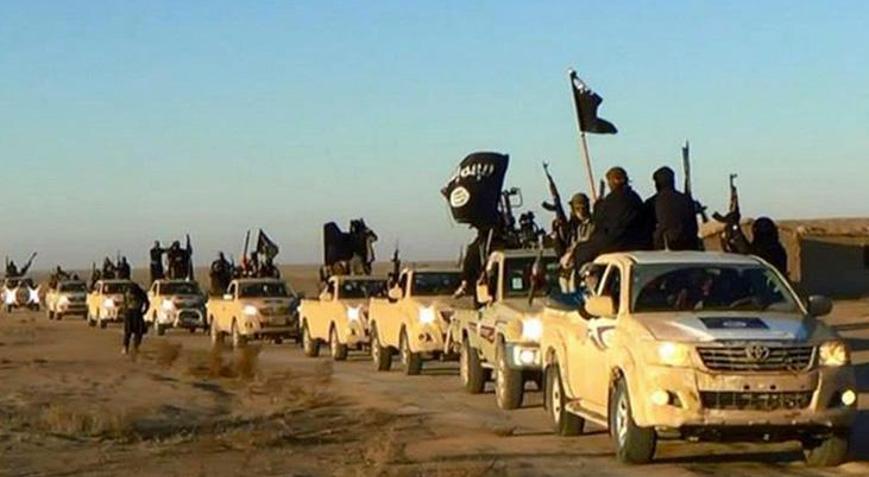
Officials from the Turkish Ministry of National Defense (MSB) emphasized Türkiye’s unwavering commitment to protecting Syria’s territorial integrity, combating terrorism, and contributing to long-term regional stability. In a significant move, Türkiye has responded to an official request from the Syrian government for military support—primarily in the form of training, consultancy, and technical assistance to bolster Syria’s defense capacity against terrorist groups, including the so-called Islamic State (DEAŞ).
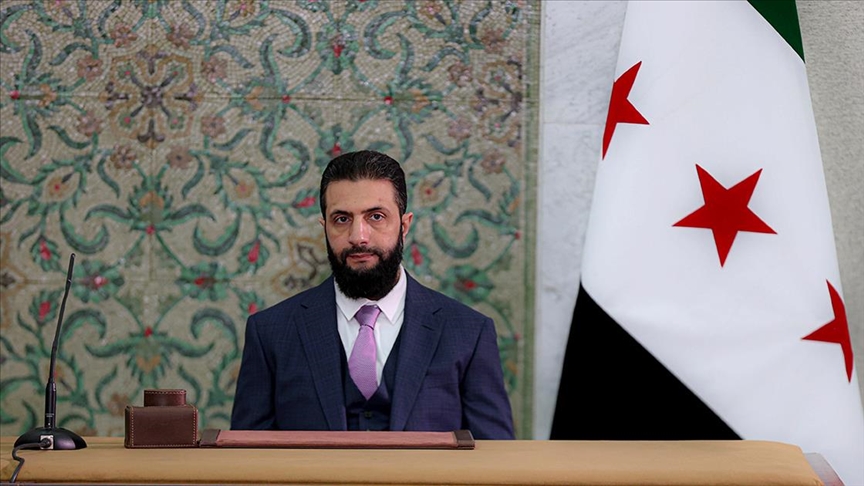
Türkiye Confirms Official Cooperation with the New Syrian Government
Following the conclusion of a weekly press briefing at the Istanbul Fair Center during the IDEF 2025 event, Turkish defense sources spoke with members of the media and confirmed that Türkiye is now working in close cooperation with Syria’s new government. The cooperation is part of a broader strategy to address emerging threats, especially in the face of intensified Israeli strikes and inter-communal clashes within Syria.
“An official request has been made by the Syrian administration for Türkiye’s assistance in strengthening its defense capabilities,” said a ministry spokesperson. “This includes military training, advisory roles, and technical aid in the fight against all terrorist groups, primarily DEAŞ.”
The Turkish defense official added that this cooperation underscores Türkiye’s overarching goal of preserving Syria’s political unity and territorial integrity while laying the groundwork for sustainable peace in the region.
Mounting Tensions in Suwayda and Damascus Heighten the Urgency
The situation in Syria has grown more fragile in recent weeks. In Suwayda—a predominantly Druze region in southern Syria—violent clashes have erupted, further complicating the national reconciliation process. Simultaneously, Israeli airstrikes on Damascus have intensified, putting enormous pressure on the already strained security apparatus of the Syrian state.
Turkish sources noted that these recent developments have fueled anxiety among the Druze minority and exacerbated tensions with the central government in Damascus. These conditions have likely influenced the Syrian government’s request for external military and technical assistance from Türkiye.
Türkiye’s Strategic Objectives in Syria Remain Unchanged
Despite shifting dynamics on the ground, Türkiye’s strategic priorities have remained consistent. Officials reiterated that Türkiye seeks to promote Syria’s territorial sovereignty, oppose separatist movements, and eliminate terrorist entities that threaten national and regional security.
“Our foremost priority is to assist Syria in restoring order and defending its sovereignty,” the MSB representative explained. “This cooperation is in line with Türkiye’s broader objective of securing lasting peace, not only in Syria but across the entire Middle East.”
This policy of constructive engagement represents a notable evolution in Türkiye’s approach—moving from containment to coordinated restoration of regional order.
The SDG Dilemma and the Demand for Compliance
The press conference also addressed a controversial aspect of the Syrian crisis: the role of the Syrian Democratic Forces (SDG), which Türkiye considers to be affiliated with terrorist groups operating in the region. On March 10, the Syrian government and SDG reportedly reached an agreement on integration terms. Türkiye, while not a party to the deal, has been closely monitoring its implementation.
“SDG must honor its commitments to the Syrian government,” said the ministry spokesperson. “The reintegration of SDG into the Syrian military structure must be more than symbolic—it must be reflected through tangible actions on the ground.”
Türkiye has long asserted that the full reintegration of SDG is essential to stabilizing northeastern Syria, preventing the rise of autonomous militant enclaves, and reducing cross-border threats. Any deviation from the agreed terms could, according to Turkish officials, jeopardize the broader reconciliation process.
Türkiye’s Expanded Security Role in the Region
Türkiye’s expanding influence in Syria is part of its larger geopolitical vision—one that emphasizes active diplomacy supported by military readiness. Over the past decade, Türkiye has positioned itself as a regional stabilizer, often stepping in where global institutions or traditional powers have failed to mediate conflicts.
With the recent request from Syria, Türkiye now finds itself in a delicate position—offering support to a state it once opposed, all while maintaining its strong anti-terrorism stance and securing its own southern borders. The alignment of mutual interests has allowed both sides to explore a working relationship despite their complex histories.
Implications for Türkiye-Syria Relations
This new cooperation could signal the beginning of a deeper political realignment in the region. While formal diplomatic recognition has yet to be fully restored between Ankara and Damascus, the growing military coordination may pave the way for future political agreements.
If successful, Türkiye’s engagement in Syria could reshape the regional power balance, reduce Iranian and Russian dominance in Damascus, and offer a viable path forward for post-war reconstruction. However, this outcome will depend heavily on the consistent implementation of agreements and the avoidance of opportunistic power plays by third parties.
Monitoring the Ground Realities
Officials confirmed that Türkiye will continue to observe developments on the ground with utmost scrutiny. Coordination with other Turkish agencies and intelligence units is ongoing to ensure that the SDG complies with its obligations and that Syria’s defense infrastructure is being used solely for anti-terror operations.
The success of this cooperative effort will be measured not by public declarations, but by real-time changes in military behavior, territorial control, and reductions in terrorist activity.
A Cautious Yet Calculated Step Forward
Türkiye’s engagement with Syria underlines a cautious yet calculated approach. The aim is not to overreach but to offer measured support that serves long-term strategic interests. By strengthening Syria’s self-defense capacity, Türkiye hopes to minimize spillover conflicts and prevent future refugee waves.
“We want a Syria that is unified, secure, and capable of governing itself,” said the ministry representative. “Our collaboration is rooted in necessity, not ambition.”
Conclusion
As regional dynamics shift rapidly and alliances evolve, Türkiye’s response to Syria’s request for military support reflects both strategic foresight and diplomatic maturity. With violence flaring in Suwayda, increased foreign interference, and the SDG issue still unresolved, Türkiye is stepping into a vital role—one that may well define the next phase of Middle Eastern geopolitics.
While challenges remain, Türkiye’s involvement could offer a blueprint for conflict resolution built on cooperation, sovereignty, and regional accountability. As the world watches closely, Türkiye is quietly shaping a new era of regional security—one operation, one agreement, and one principled decision at a time.