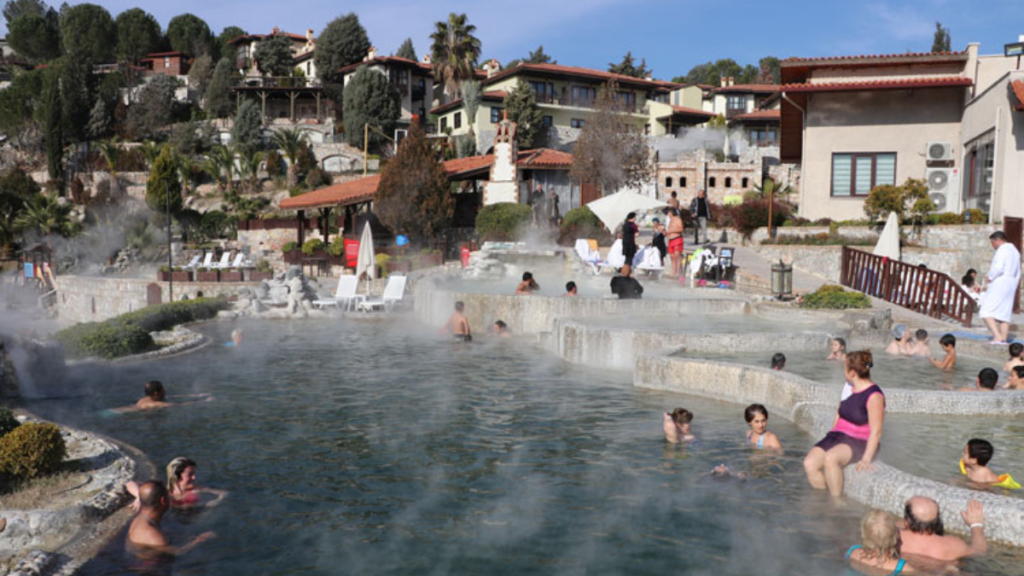

When it comes to natural thermal resources, Turkey stands among the most blessed countries in the world. With thousands of geothermal springs scattered across its landscape, the country offers a unique combination of natural beauty, cultural richness, and health-boosting experiences. These mineral-rich hot waters, which have been used for therapeutic purposes for centuries, now form the foundation of Turkey’s growing thermal tourism sector.
Thanks to their high mineral content, these thermal waters are known to alleviate a wide range of health issues, including skin conditions, rheumatic disorders, respiratory problems, and digestive ailments. More than just a spa getaway, visiting a Turkish thermal spring can become a deeply rejuvenating experience for the body and mind.
In this comprehensive travel and wellness guide, we’ll explore five of Turkey’s most remarkable and scientifically recognized thermal spring destinations — ideal stops for both leisure and healing.
Why Is Turkey a Global Hub for Thermal Tourism?
Before diving into specific destinations, it’s worth understanding why Turkey has become an increasingly popular choice for wellness seekers and health-conscious travelers.
Geothermal abundance: With over 1,500 geothermal springs, Turkey ranks among the top seven countries in the world in terms of thermal potential.
Ancient tradition: Since Roman and Byzantine times, locals and visitors alike have used thermal waters for rejuvenation, healing, and socializing.
Modern infrastructure: Many of Turkey’s thermal resorts now feature state-of-the-art wellness centers, integrating traditional therapy with modern spa experiences.
Affordable luxury: Compared to Western Europe or East Asia, thermal experiences in Turkey are often more budget-friendly while maintaining high quality.
Let’s now explore five destinations where nature and healing converge in beautiful harmony.
Pamukkale Thermal Springs – Denizli
Pamukkale, meaning “Cotton Castle” in Turkish, is one of Turkey’s most iconic landmarks — and not just for its dazzling white travertine terraces. Beneath its visually stunning surface lies a powerful network of hot springs that have attracted travelers for millennia.
Water temperature: 35 to 100°C
Mineral content: Rich in calcium, sulfate, and bicarbonate
Therapeutic benefits: Helps with acne, eczema, arthritis, neural disorders, muscle stiffness, and circulation issues
Apart from its health benefits, Pamukkale is a UNESCO World Heritage Site and is home to the ancient city of Hierapolis, where Roman aristocrats once sought healing.
Karahayıt Springs – Denizli
Located just a few kilometers from Pamukkale, Karahayıt presents a different yet equally impressive thermal experience. What makes it unique is the vivid red hue of its water — a result of high iron oxide content.
Water temperature: Around 60°C
Mineral content: High in iron, calcium, and fluoride
Therapeutic benefits: Effective for skin problems, asthma, bronchitis, circulatory disorders, and rheumatism
Karahayıt water enhances blood flow and revitalizes the skin upon direct contact. Visitors often describe a sense of immediate relaxation and stress relief, making it a must-visit spot for holistic wellness seekers.
Sandıklı Hüdai Springs – Afyonkarahisar
In the heart of the Afyonkarahisar province, the Sandıklı Hüdai Thermal Springs stand out with their famous healing mud baths. These waters, combined with rich natural clay, create a mineral paste known locally as the “elixir of youth.”
Water temperature: Between 42–53°C
Mineral content: Contains carbonate, sulfur, sodium, calcium, and magnesium
Therapeutic benefits: Popular for musculoskeletal issues, arthritis, and stress-related fatigue
The thermal mud is especially favored by those seeking skin rejuvenation and muscular relief. As part of an extended wellness retreat, Sandıklı offers both traditional charm and modern spa resorts.
Çermik Thermal Springs – Diyarbakır
The Çermik district in the southeastern region of Diyarbakır is home to one of Turkey’s oldest and most mineral-rich thermal waters. Çermik is known for its low-level radioactivity, which makes its waters particularly suitable for elderly individuals and those with immune system challenges.
Water temperature: 46–50°C
Mineral content: Rich in iodide, bromide, and sodium
Therapeutic benefits: Supports treatment of inflammatory rheumatism, skin infections (eczema, fungus), gastrointestinal issues, and gynecological conditions
This thermal site is especially notable for its community-centered, traditional atmosphere and lower commercial presence, offering a more local and authentic experience.
Sultaniye Thermal Springs – Muğla (Köyceğiz)
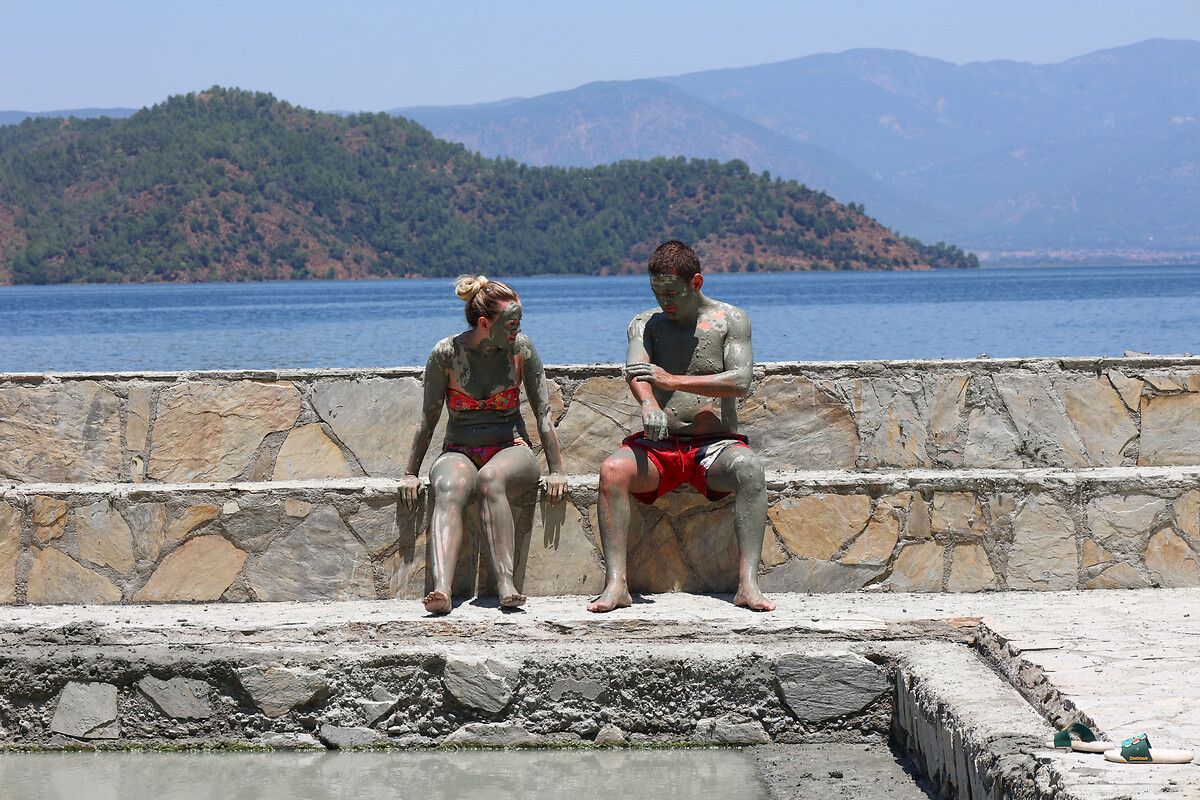
Located along the serene banks of Lake Köyceğiz, Sultaniye Springs offer not just thermal waters but also panoramic views of one of Turkey’s most beautiful natural landscapes. This destination has been known since the Roman period and continues to be a favorite for both locals and international visitors.
Water temperature: 39–42°C
Mineral content: Sulfur, calcium, potassium, iron, and magnesium
Therapeutic benefits: Known for relieving joint pain, respiratory disorders, skin issues, and nervous system problems
The mud baths of Sultaniye are widely popular due to their skin-tightening and detoxifying effects, often marketed as a natural “anti-aging” treatment. Visitors typically follow a mud bath with a thermal soak, experiencing deep relaxation and skin revitalization.
Important Tips for Using Thermal Waters Safely
While thermal waters offer natural healing benefits, it’s essential to use them with care:
Always consult a medical professional if you have chronic conditions or are under medication.
Avoid staying in thermal water for extended periods (usually no more than 20 minutes per session).
Stay hydrated and rest after bathing, especially if you have circulatory or heart conditions.
Follow the facility’s safety guidelines, especially regarding mud use and water immersion time.
A Growing Sector in Turkey’s Tourism Economy
Thermal tourism in Turkey is not just about individual health — it’s becoming a critical part of the country’s broader tourism strategy. Each year, millions of tourists visit Turkey specifically for its hot springs and spa resorts. This growth aligns with the global trend of wellness tourism, which is expected to surpass $1 trillion USD in global spending by 2030.
Many thermal destinations in Turkey are located near cultural and historical attractions, allowing visitors to combine wellness with sightseeing, gastronomy, and local heritage experiences.
Reconnect with Nature and Health in Turkey’s Thermal Springs
Whether you’re seeking relief from chronic pain, looking to improve your skin, or simply hoping to unwind in nature’s embrace, Turkey’s thermal springs offer something for everyone. From the white cascades of Pamukkale to the tranquil shores of Köyceğiz, these destinations blend natural beauty with time-tested healing.
As the world increasingly turns toward holistic and sustainable wellness, Turkey’s geothermal wonders stand ready to welcome a new generation of mindful travelers — where tradition, health, and relaxation meet under the warm breath of the Earth.