
Türkiye is on the brink of finalizing a major step in its ongoing military modernization strategy after signing a preliminary memorandum of understanding (MoU) with the United Kingdom for the procurement of Eurofighter Typhoon fighter jets. The announcement was made during the 17th International Defence Industry Fair (IDEF 2025) held in İstanbul, where Türkiye’s Minister of National Defense Yaşar Güler and UK Defence Secretary John Healey signed the document in a high-profile ceremony.
The agreement, though not yet a full contract, signifies a critical turning point in Türkiye’s quest to upgrade its air force capabilities. It has also drawn international attention and stirred diplomatic friction, particularly with Greece and Israel.
A Strategic Partnership Takes Shape at IDEF 2025
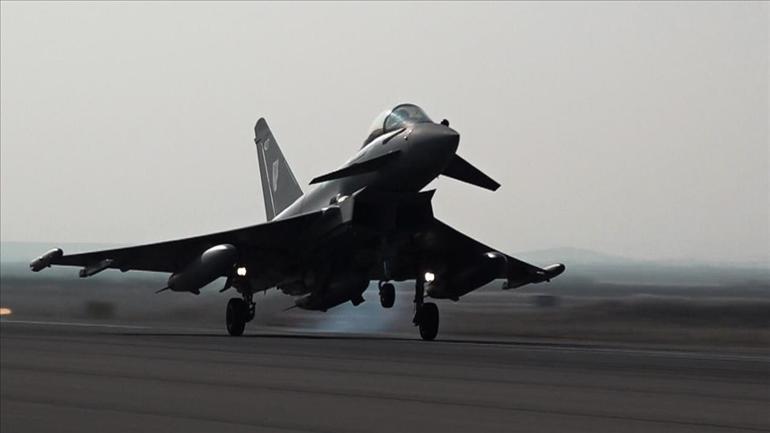
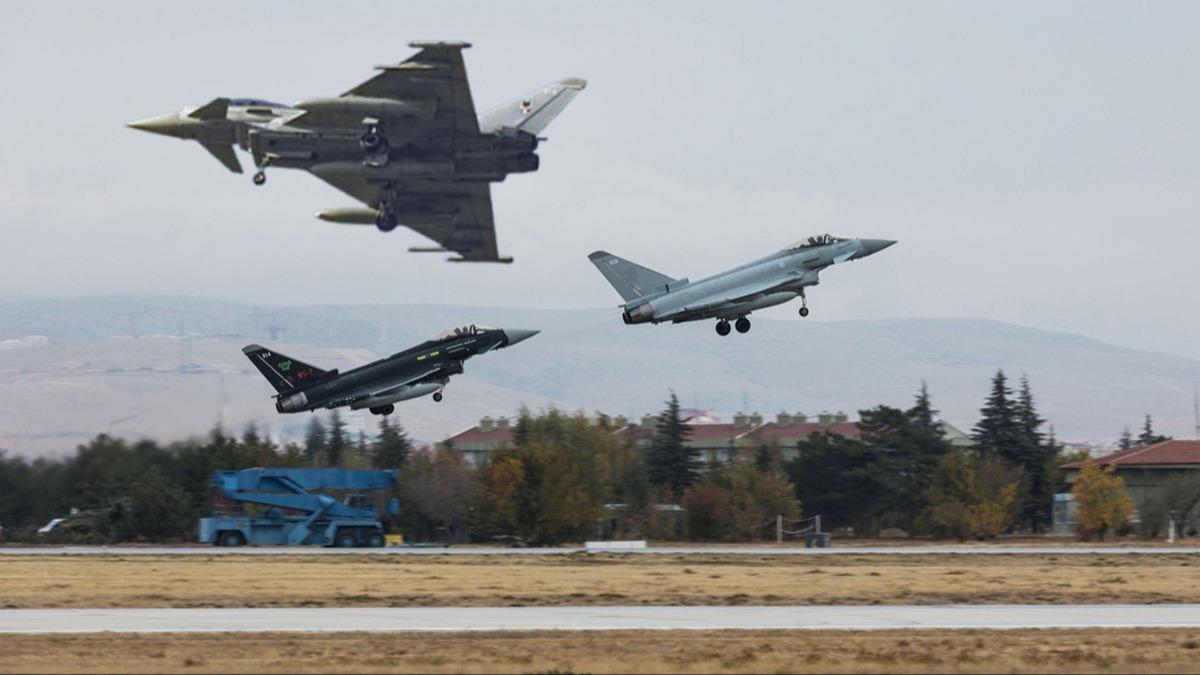
The Turkish Ministry of National Defense emphasized that the MoU formalizes defense relations between Türkiye and the United Kingdom, stating that the document brings both parties closer to a comprehensive Eurofighter agreement. The Eurofighter Typhoon, developed by a consortium consisting of the UK, Germany, Italy, and Spain, is one of the world’s most advanced multirole fighter jets, known for its speed, agility, and sophisticated weapons systems.
Germany followed up by officially approving the potential sale, signaling unified support from the Eurofighter consortium. However, the agreement is far from a simple arms deal. It has regional security implications, especially in light of Türkiye’s long-standing disputes with Greece over the Aegean Sea.
Greece and Israel React with Concern
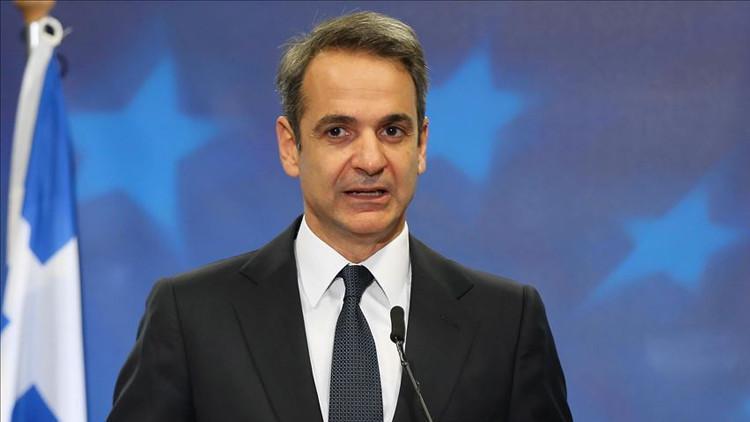
The Eurofighter news quickly made headlines in the international press, provoking strong reactions from Greece and Israel. In Israel, opposition leader Yair Lapid criticized Prime Minister Benjamin Netanyahu for failing to block the deal. Meanwhile in Greece, Prime Minister Kyriakos Mitsotakis demanded assurances that the aircraft would not be used against Athens in any future conflict.
Mitsotakis warned that Türkiye’s participation in the European Union’s SAFE (Security and Defence Action Plan) could be blocked unless Türkiye provides guarantees. According to him, any use of Eurofighter jets in the Aegean would prompt Greece to oppose Türkiye’s access to EU defense funding, which is technically open to Türkiye under current cooperation frameworks.
A New Chapter in Türkiye’s Military Capabilities
The Eurofighter Typhoon is seen as a vital asset in Türkiye’s long-term defense strategy, particularly as it continues to diversify military procurement amid strained relations with some NATO allies and increasing emphasis on indigenous defense solutions.
With the Eurofighter consortium currently producing around 14 jets per year, Türkiye’s potential order—reportedly for up to 40 aircraft—would necessitate increasing the consortium’s production capacity to at least 30 jets annually. This expansion could also lead to increased collaboration between Türkiye and the consortium on production, maintenance, and training.
SAFE Defense Fund Becomes a Diplomatic Battleground
The SAFE program, which includes 150 billion euros in funding for European defense research, development, and joint procurement, has become a political flashpoint. Although Türkiye is not an EU member, it retains technical eligibility for certain defense partnerships under EU-NATO cooperation frameworks.
In interviews with Greek media, Mitsotakis reiterated that EU unanimity is required for Türkiye to access SAFE funds. “Greece will not give its consent,” he declared. This highlights the growing geopolitical use of economic leverage within defense politics, where access to funding can be tied to broader regional concerns.
Türkiye’s Response and Position in the Global Arms Market
Though Türkiye has not formally responded to Greece’s threats, officials and analysts have emphasized that no country can unilaterally prevent Türkiye from purchasing defense systems. Mitsotakis himself acknowledged this point, admitting that while Greece could delay Türkiye’s access to EU funds, it cannot block the actual Eurofighter deal.
He added that Türkiye is a major defense power with a strong domestic industry, implying that any attempt to isolate it from the global arms market would be naïve and ineffective.
“Türkiye has a strong and large defense industry. Anyone who believes they can stop Türkiye from acquiring defense equipment is wrong,” Mitsotakis stated.
European Interests and the Future of the Eurofighter Program
Beyond the political friction, the Eurofighter deal represents a financial opportunity for European defense firms. UK Defense Secretary Healey described the potential agreement as a milestone worth billions of pounds, suggesting that the deal could have far-reaching economic and strategic benefits for both sides.
For the Eurofighter consortium, Türkiye’s interest could rejuvenate the program by extending production timelines and opening possibilities for co-development or technology sharing.
Türkiye’s Growing Role in Global Defense Dynamics
Türkiye’s engagement with the Eurofighter consortium adds another layer to its multifaceted defense diplomacy. While pursuing the acquisition of Western platforms, the country continues to develop indigenous systems such as TF-X KAAN, Bayraktar UAVs, and Hisar air defense missiles.
This balanced strategy ensures that Türkiye is not overly reliant on any single supplier while remaining a competitive player in both procurement and production.
Moreover, Türkiye’s defense diplomacy is increasingly regionally strategic and globally relevant. Whether cooperating with NATO allies or engaging with non-Western partners, Türkiye is positioning itself as a bridge between East and West in the defense world.
Shaping the Future of Defense in a Complex World
The unfolding Eurofighter deal is not just a story about aircraft. It is a window into a rapidly shifting geopolitical landscape where defense, diplomacy, and economic influence intersect. For Türkiye, the agreement signifies ambition, strategic depth, and a desire to maintain technological parity in an increasingly volatile region.
As negotiations progress, all eyes will remain on Ankara—not just to see whether the deal is finalized, but to observe how Türkiye leverages its position in shaping the future of European and global defense policy.