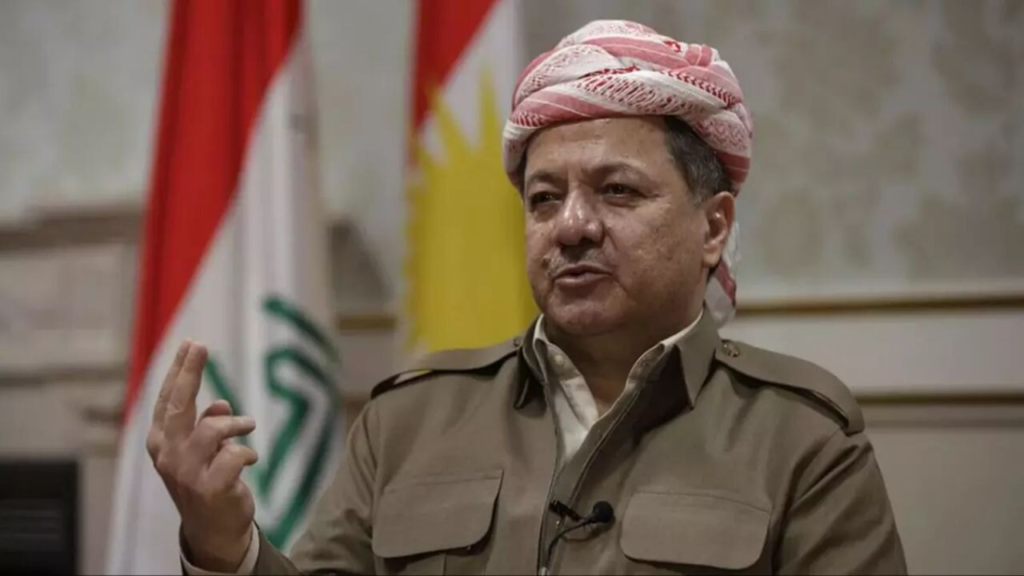

In a recent interview with French broadcaster France 24 during his visit to France, Mesut Barzani, President of Iraq’s Kurdistan Democratic Party (KDP), made significant remarks on both Türkiye’s internal peace efforts and the broader security dynamics of the Middle East. His comments shed light on the delicate balance between domestic reconciliation and regional stability, particularly with the looming prospect of U.S. and coalition forces withdrawing from Iraq by the end of 2025.
Concerns Over Coalition Withdrawal from Iraq
Barzani warned that the anticipated departure of U.S. and coalition troops could have severe repercussions for Iraq’s security. According to him, such a development would almost certainly pave the way for the resurgence of the terrorist group Daesh (ISIS). Drawing parallels with the past, he noted that the vacuum left by international forces would mirror the situation of 2012, when extremist groups regained momentum.
His words reflect the unease among Kurdish leaders who witnessed first-hand how Daesh’s rise disrupted not only Iraq but also Syria and the wider region. Barzani emphasized that the presence of coalition forces had played a critical role in containing the group and preventing further destabilization.
Backing Türkiye’s Peace Efforts
Turning to Türkiye, Barzani expressed unequivocal support for the peace process currently being carried out within the country. He described this new initiative as distinctly different from past attempts, noting that it is being managed by the government, parliament and public opinion simultaneously. This multi-layered approach, he argued, increases the chances of long-term success.
Barzani highlighted that the Kurdish population overwhelmingly supports peace and reconciliation. He recalled that even before the current process was launched, imprisoned Kurdish leader Abdullah Öcalan had sent a delegation to him, seeking official endorsement for dialogue. According to Barzani, his party extended its support then and continues to do so today.
“This process is a profound transformation,” Barzani stated. “The majority of the Kurdish people back peace, and that has always been our greatest hope. We have done everything asked of us, and we will continue to do so. Our expectation is that this process will bring peace not only to Türkiye but also pave the way for genuine change across the region.”
Engagement with Ankara and Regional Diplomacy
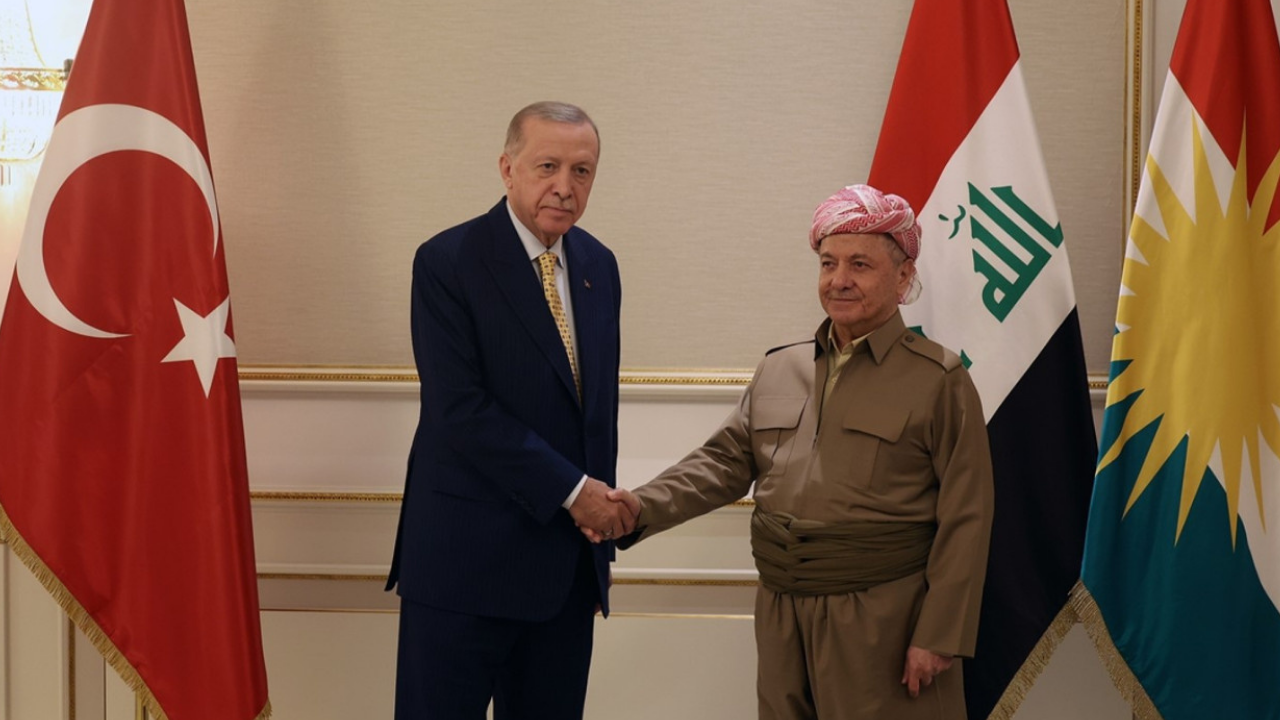
Barzani also underlined his consistent communication with Türkiye’s President Recep Tayyip Erdoğan. Their dialogue, he suggested, demonstrates the seriousness with which Kurdish leaders view Türkiye’s peace efforts and the role they might play in shaping a more stable Middle East.
Beyond Türkiye, Barzani touched upon developments in Syria, acknowledging the fragile nature of agreements between the Syrian government and the Syrian Democratic Forces (SDF). While he confirmed that Kurdish authorities had supported such arrangements, he also admitted that implementing them has proven difficult. “We worked together to see the agreement applied properly,” he explained, “but the path is not an easy one, and there are still obstacles to overcome.”
The Weight of History and the Promise of Change
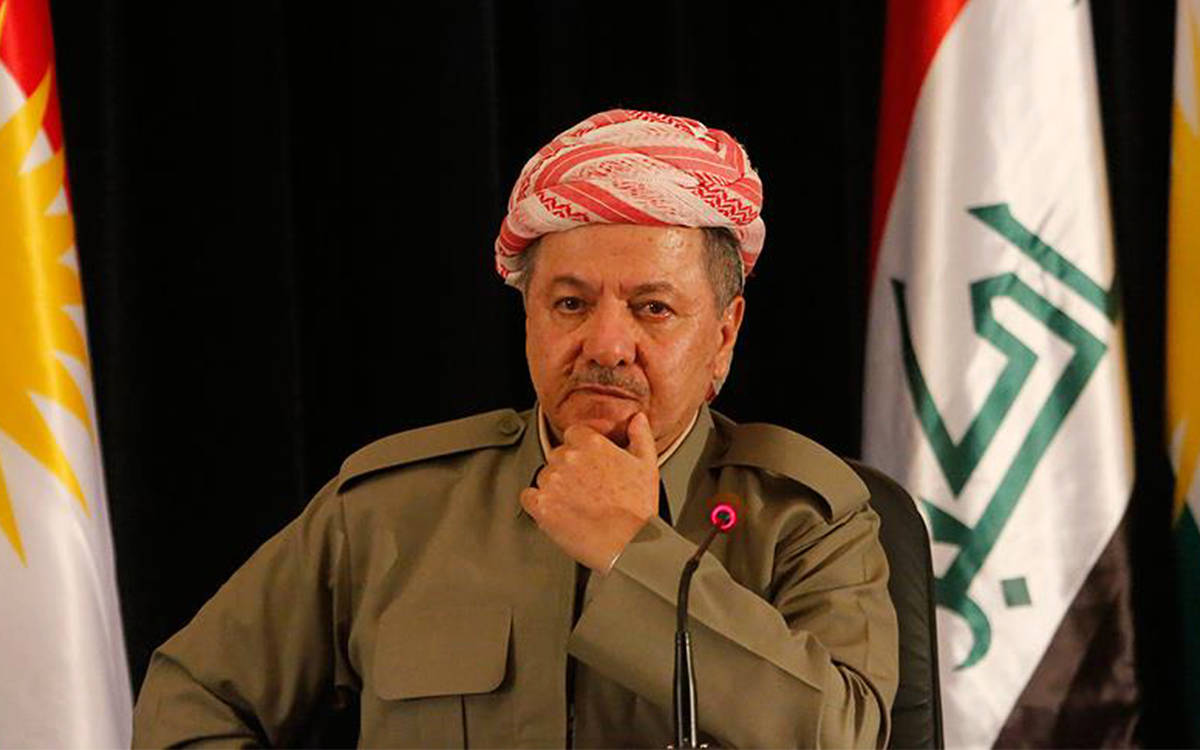
Barzani’s remarks reflect both cautious optimism and deep concern. On one hand, he sees Türkiye’s peace process as a unique opportunity that enjoys unprecedented levels of institutional and public backing. On the other, he fears that external security dynamics—particularly in Iraq and Syria—could derail regional stability if not managed carefully.
The KDP leader’s perspective carries weight given his political standing and historical involvement in regional affairs. His long-standing experience navigating Kurdish, Iraqi and international relations gives credibility to his warnings about the dangers of a security vacuum.
Looking Toward a Shared Future
Observers note that Barzani’s insistence on supporting Türkiye’s peace process aligns with a broader Kurdish aspiration for stability and coexistence. A sustainable peace in Türkiye could serve as a model for resolving ethnic and political disputes elsewhere in the Middle East.
Yet, the challenges remain formidable. The legacy of mistrust, political rivalries and the unpredictable nature of regional conflicts mean that progress is never guaranteed. Barzani’s emphasis on unity and commitment, however, suggests a recognition that peace must be pursued with persistence, even in the face of setbacks.
Editorial Note
Barzani’s dual message—supporting peace at home while warning of instability abroad—captures the crossroads at which the region stands. His statements remind us that peace processes cannot exist in isolation from regional geopolitics. As Türkiye continues its efforts toward reconciliation, the developments in Iraq and Syria will inevitably shape the trajectory of stability across the Middle East.