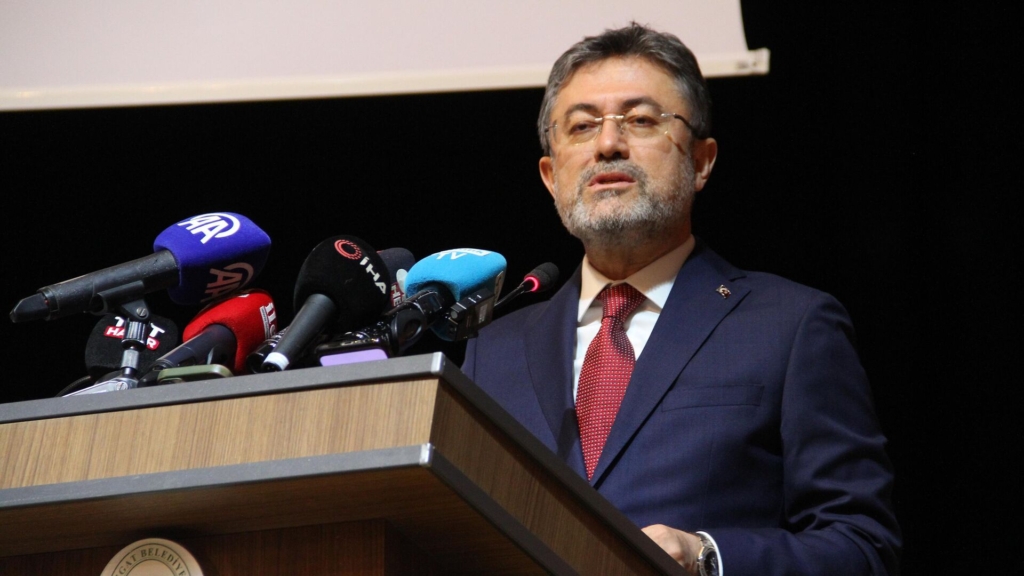

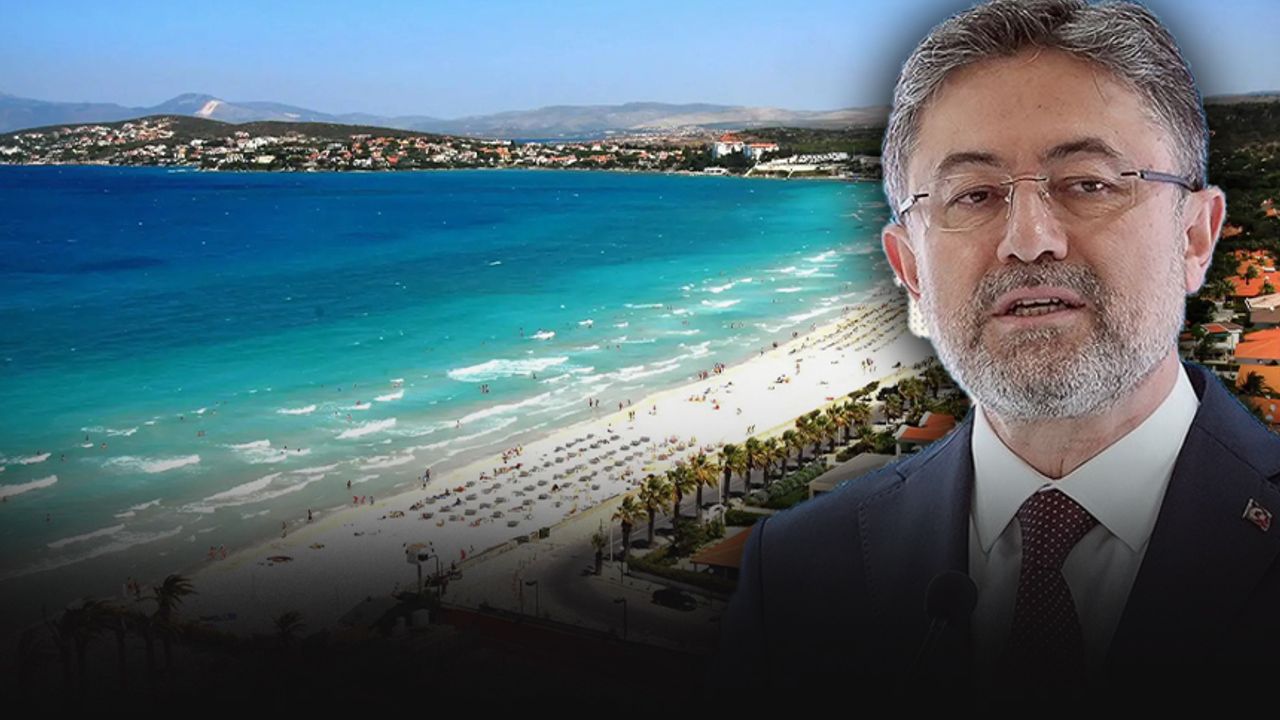
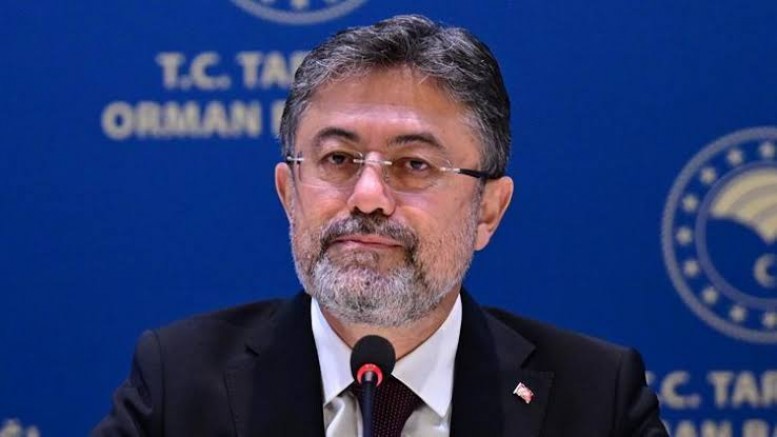
Türkiye’s Minister of Agriculture and Forestry, İbrahim Yumaklı, has responded to mounting concerns over water shortages in the resort town of Çeşme, assuring the public that water supply will be restored within a few days. Speaking during a live broadcast on A Haber, Yumaklı emphasized the urgent need for water conservation and called on local authorities, particularly İzmir Metropolitan Municipality, to fulfill their responsibilities more effectively amid drought-related constraints.
A Looming Threat for Touristic Hubs
Located on the Aegean coast, Çeşme is one of Türkiye’s most popular summer destinations. However, the region has recently been grappling with severe water shortages that have disrupted daily life and tourism alike. As summer temperatures soar and visitor numbers peak, the strain on local infrastructure has revealed underlying weaknesses in water resource management.
Minister Yumaklı’s comments come as residents and business owners voice frustration over the lack of consistent access to clean water. The disruption has not only affected households but also restaurants, hotels, and agricultural operations—especially in a region that relies heavily on seasonal tourism and irrigation.
“77% of Our Water Goes to Agriculture”
During his televised remarks, Yumaklı highlighted a broader systemic issue—Türkiye’s water consumption habits. “Seventy-seven percent of our water is used in agriculture,” he stated, underlining that regardless of the sector, water must be used wisely.
Yumaklı emphasized the need for more sustainable practices, including the adoption of modern irrigation systems, reduced wastage, and public awareness campaigns. His comments reflect Türkiye’s growing awareness of the country’s vulnerability to climate change and water scarcity.
Local Accountability Under Scrutiny
The Minister did not shy away from criticizing the local administration. He pointed out that İzmir Metropolitan Municipality had initiated water cuts due to excessive reliance on local dams, stating: “They had to resort to cuts because the reservoirs have been overused. İzmir Metropolitan Municipality must fulfill its responsibilities.”
This direct appeal underscores the political tension that often surrounds environmental and infrastructure issues in Türkiye, where national and local governments are frequently led by rival political parties.
Relief Coming Soon, Says the Minister
Despite the criticism, Yumaklı offered a reassuring timeline. “Water will be restored to Çeşme within a few days,” he said, although he did not elaborate on the specific logistics or the water sources to be utilized.
No further details were provided about whether the restoration plan includes new drilling operations, water transfer projects, or emergency supplies from nearby regions.
A Drought-Prone Future Requires Structural Change
Yumaklı’s statements also raise a red flag about Türkiye’s broader water management strategy. With rainfall patterns becoming increasingly erratic and reservoir levels dropping, many regions—especially in western and southern Türkiye—are facing seasonal or even year-round water stress.
Experts in environmental policy stress that Türkiye must invest more in water infrastructure, from advanced desalination and recycling plants to comprehensive watershed management programs. Moreover, inter-agency coordination between national ministries and local municipalities will be essential in addressing future crises.
Public Reaction and Expert Insights
While Yumaklı’s announcement that Çeşme will soon have access to water again was welcomed, critics argue that the measures are reactive rather than proactive. Environmental organizations and agricultural unions have long called for a national water strategy that prioritizes conservation, investment, and rural support.
Professor Ali Gürsu, a hydrology expert from Ege University, warned that “Short-term fixes will only postpone deeper structural problems. Without serious investment in drought-resistant agriculture and urban water recycling, situations like Çeşme’s will become more frequent.”
Is Çeşme a Warning Sign for Other Regions?
As Türkiye continues to face extreme summer temperatures and declining precipitation, similar shortages could emerge in other densely populated or agriculturally intensive regions. Cities like Antalya, Muğla, and even Istanbul have experienced alarming drops in reservoir levels in recent years.
Authorities are therefore being urged to take more aggressive action—both in conserving water and in upgrading outdated infrastructure that cannot handle modern demand.
A Broader Call for Public Responsibility
Minister Yumaklı concluded his comments with a nationwide appeal: “Wherever we use water, we must use it efficiently.” His message serves as both a warning and a call to action for citizens, businesses, and policymakers alike.
As climate change continues to shape environmental realities across Türkiye, collective responsibility—paired with accountable governance—will be key to securing the nation’s water future.