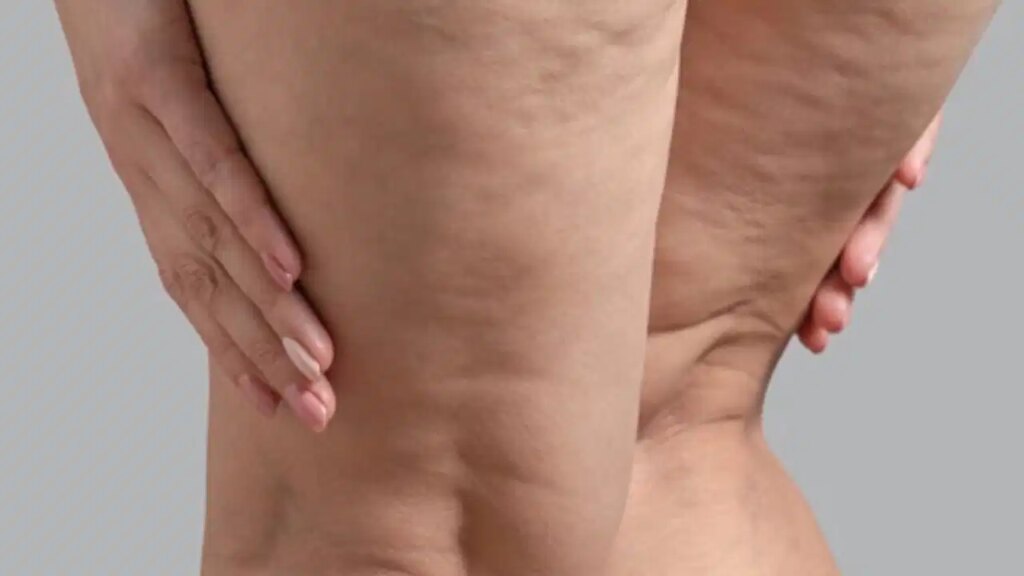

Lipedema, a chronic disorder characterized by abnormal fat accumulation, continues to be misdiagnosed and overlooked—often mistaken for obesity or lymphedema. According to Plastic Reconstructive and Aesthetic Surgery Specialist Op. Dr. Ali Kaan Memiş, this condition disproportionately affects women and has no known cure through diet or exercise alone.
Dr. Memiş highlights that early clinical recognition is crucial, as many women suffer silently due to a lack of awareness, misdiagnosis, or limited access to specialized care.
What Is Lipedema?
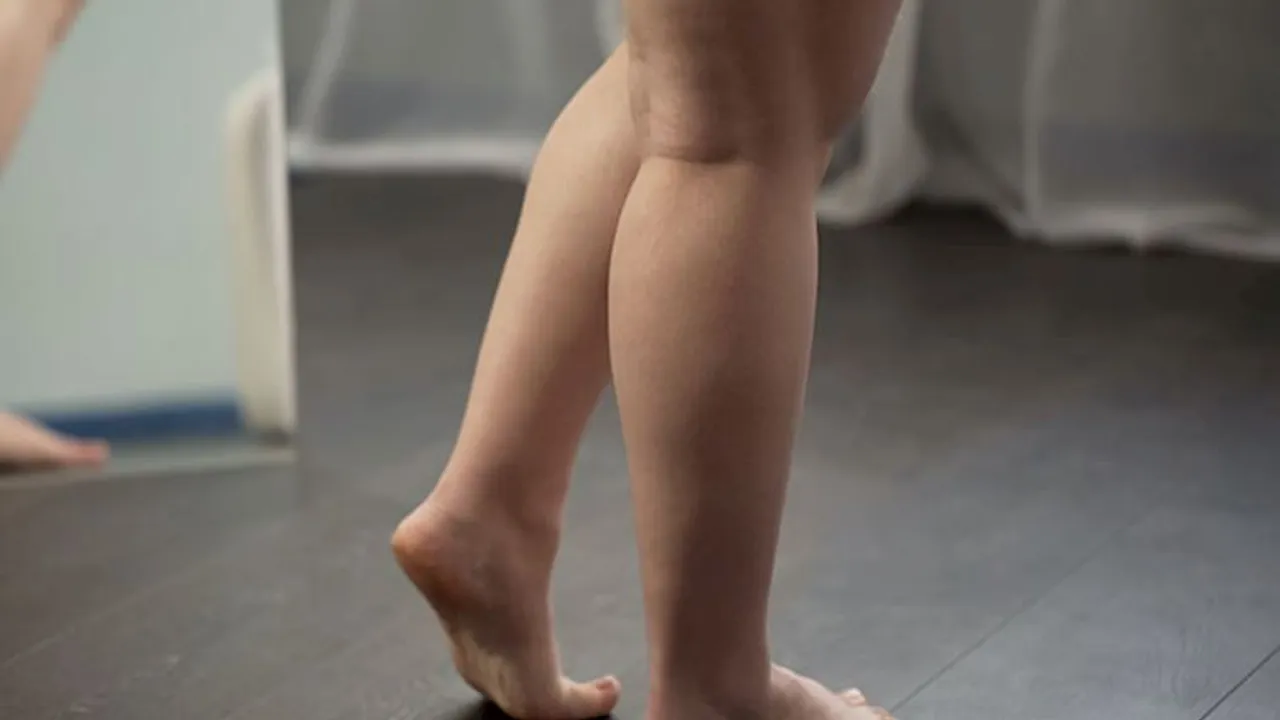
Lipedema is a genetically rooted medical condition involving abnormal and painful fat accumulation in specific parts of the body, most commonly in the legs, hips, and arms, while the upper body remains unaffected.
“Fat in lipedema is denser and settles deeper beneath the skin,” explains Dr. Memiş. “This leads to swelling, visible shape deformities, and pain, especially in the lower limbs.”
The condition is not simply a cosmetic issue. Patients frequently experience sensitivity to touch, bruising, and chronic discomfort, all of which do not improve with weight loss.
No Specific Test Makes Diagnosis a Challenge
One of the most frustrating aspects of lipedema is the absence of a definitive diagnostic test. Dr. Memiş notes that the diagnosis is based largely on patient history and physical examination.
“There is no specific blood test or imaging scan that can confirm lipedema,” he states. “Instead, doctors must look for clues such as persistent fat deposits in the lower body, pain upon pressure, and easy bruising.”
While some cases may benefit from tools like ultrasound or MRI to analyze tissue composition, these are supportive, not conclusive.
Often Confused with Obesity or Lymphedema
Lipedema is commonly mistaken for other conditions—especially obesity and lymphedema—leading to delayed or incorrect treatment.
“In lymphedema, swelling typically includes the feet. In lipedema, the swelling usually stops at the ankles,” Dr. Memiş explains. “That distinction is essential.”
Due to its hormonal triggers, lipedema is most often diagnosed in women between their 20s and 40s, especially during puberty, pregnancy, or menopause. While rare in men, the condition can still occur in the presence of hormonal or metabolic imbalances.
Signs and Symptoms That Should Not Be Ignored
Dr. Memiş outlines several warning signs that may indicate lipedema:
Disproportionate fat accumulation in the legs and hips
Normal-sized waist and abdomen despite lower body swelling
Chronic tenderness or pain in affected areas
Easily bruised skin with little or no trauma
Fat nodules under the skin
Persistent swelling not resolved by weight loss or exercise
“Many patients suffer psychologically as well. They blame themselves for being unable to lose weight, when in fact they have a chronic condition that requires medical intervention,” he adds.
Treatment Strategies Focus on Relief Not Cure
Lipedema is a progressive condition that may worsen if left untreated. While there is no permanent cure, certain treatments can significantly improve a patient’s quality of life.
Dr. Memiş emphasizes that surgical intervention, particularly liposuction, is the most effective method available.
“Liposuction removes abnormal fat deposits and brings significant relief,” he explains. “It is currently the gold standard in lipedema treatment.”
Other supportive therapies include:
Manual lymphatic drainage
Compression garments
Physical therapy
Low-impact exercise routines
Nutritional counseling to prevent additional weight gain
However, he cautions that non-surgical methods cannot eliminate the condition but may help manage symptoms.
Lifestyle Advice for Lipedema Patients
Based on his clinical experience, Dr. Memiş shares practical advice for those living with lipedema:
1. Early medical consultation is crucial
If swelling and pain persist in the legs despite diet and exercise, consult a specialist immediately.
2. Avoid weight gain
Even though weight loss alone does not cure lipedema, gaining additional weight may worsen the symptoms and spread the fat deposits.
3. Stay physically active
Engaging in low-intensity activities such as walking, swimming, or cycling can boost lymphatic circulation and reduce discomfort.
4. Avoid tight clothing
Tight garments can restrict lymphatic and blood flow, exacerbating swelling.
5. Change positions frequently
Avoid standing or sitting for prolonged periods. Move around and change your posture regularly.
6. Maintain follow-up care after surgery
Those who undergo liposuction should continue using compression garments and attend regular medical checkups.
7. Address mental health
Many patients experience body image issues, low self-esteem, and even depression due to the visible nature of the disease. If needed, professional psychological support should be sought.
Raising Awareness in Türkiye and Beyond
Although lipedema is common, it remains underdiagnosed—especially in countries where public health campaigns have yet to highlight its unique features.
In Türkiye, clinicians like Dr. Memiş are working to change this by educating the public and encouraging early intervention. With greater awareness, more women can receive timely treatment and avoid years of unnecessary frustration and physical discomfort.
“Lipedema is not a result of poor lifestyle choices,” Dr. Memiş concludes. “It is a medical condition, and recognizing it early is the key to improving lives.”