
A devastating aviation tragedy struck Russia’s Far East as a passenger aircraft crashed in the mountainous terrain near the town of Tynda, resulting in the loss of all 49 people on board. The aircraft, an Antonov An-24 model, went down approximately 15 kilometers from the city, crashing into a mountainside in the Amur region. Russian news agency Tass, citing emergency service sources, confirmed the details of the crash and the absence of any survivors.
Rescue teams quickly reached the crash site and verified that all passengers and crew members had perished. Preliminary reports suggest that the crash was caused by a loss of control due to pilot error, which led the aircraft to collide with the slope of a mountain during flight.
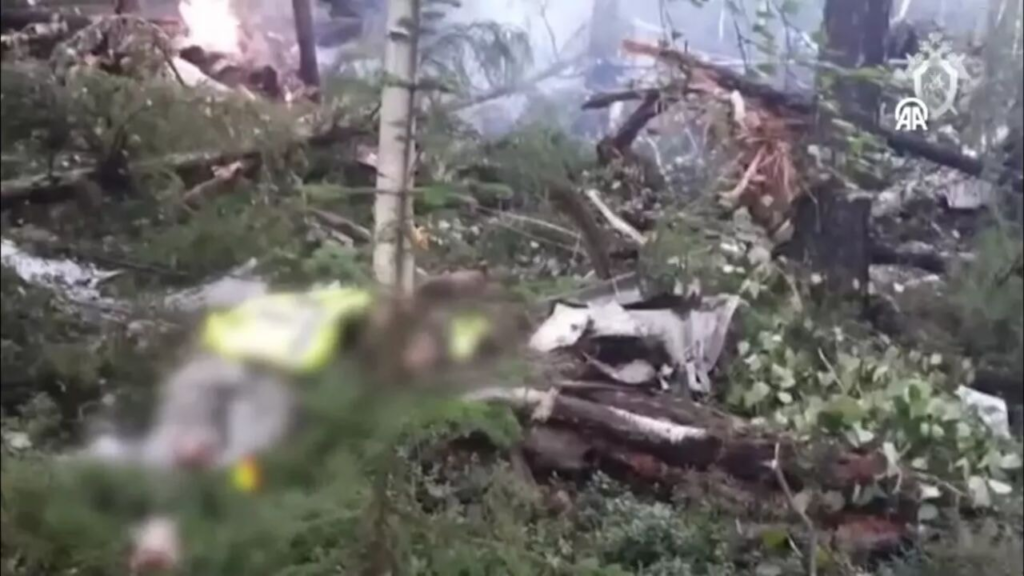
Emergency Crews Reach Wreckage Amid Harsh Terrain
Search and rescue operations were launched immediately after the aircraft disappeared from radar. Despite challenging weather conditions and rugged terrain, rescue units located the wreckage and began recovery efforts.
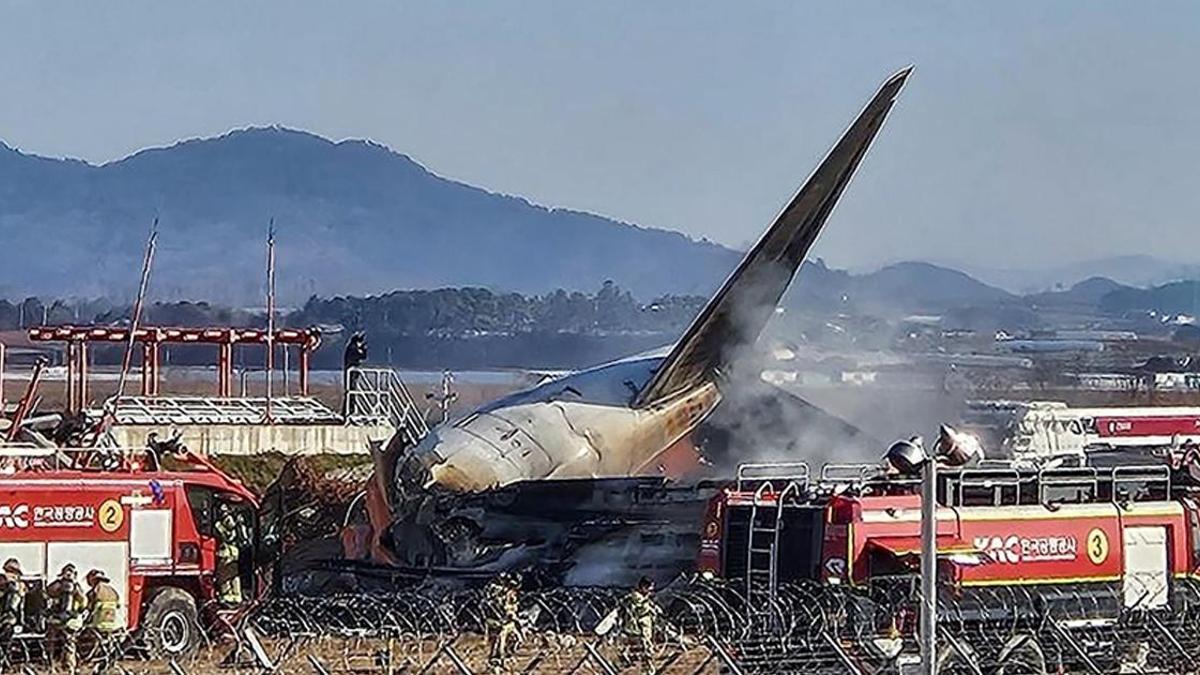
Officials confirmed that all 49 individuals on board — including both passengers and crew — were killed on impact. The debris was scattered across the forested hillside, indicating the high velocity and severity of the crash.
Emergency responders and aviation investigators have cordoned off the area to facilitate ongoing operations and ensure safety for all personnel involved in the recovery.
Pilot Error Identified as Primary Cause
Initial findings from aviation experts point to a critical piloting error as the likely cause of the crash. According to early evaluations, the aircraft lost altitude unexpectedly during flight and the crew was unable to regain control before colliding with the mountainside.
Although mechanical failure has not been ruled out, experts emphasize that the An-24, while known for its durability, is an older aircraft model with limited modern instrumentation. This raises concerns about continued reliance on outdated aircraft within certain regional routes in Russia.
Aviation Safety Standards Come Under Scrutiny
The tragedy has once again thrust Russia’s civil aviation safety protocols into the spotlight. With a significant death toll and preliminary assessments indicating pilot error, questions are being raised regarding pilot training standards, fleet modernization, and route risk analysis in remote areas like the Amur region.
Aviation analysts and transportation officials across the country are calling for a comprehensive review of current safety regulations, especially concerning aging aircraft models such as the An-24, which first entered service in the 1960s.
Local Authorities Respond with Heightened Measures
In response to the disaster, authorities in the Amur region have increased security and launched an in-depth investigation. Officials confirmed that all relevant evidence, including flight data recorders, communication logs, and maintenance histories, will be reviewed meticulously.
The Russian Ministry of Transport announced that a dedicated committee has been formed to examine the root causes of the crash and propose necessary policy updates to prevent similar tragedies.
Regional Governor’s Office issued a statement expressing deep condolences to the families of the victims, and promised full support for both the investigation and the bereaved.
Geographical Challenges and Aircraft Limitations
The area where the crash occurred is known for its difficult topography, with dense forests and steep slopes. These geographical challenges may have contributed to the crew’s inability to navigate effectively or correct their flight path in time.
Moreover, aviation experts note that the An-24 aircraft, though historically dependable, is not well-suited for mountainous operations in severe weather without the aid of modern avionics. The incident may push Russian regulators to reassess aircraft certification for specific environments.
International Reactions and Global Aviation Discourse
While the crash is primarily a domestic tragedy, its implications resonate globally. Civil aviation safety remains a priority for international regulatory bodies, and high-fatality crashes often lead to renewed discussions at global forums.
Though Türkiye was not involved in the incident, Turkish aviation analysts have also highlighted the importance of modern fleet upgrades and emergency response readiness — both within Türkiye and across Eurasia.
Ongoing Investigations and Future Implications
As forensic teams and aviation specialists examine the crash site, public attention remains fixed on the outcomes of the investigation. The black box flight recorder has reportedly been recovered and will be sent for analysis.
Authorities stated that further announcements will be made once conclusive evidence is obtained regarding the final moments of the flight. Until then, all flights of similar aircraft may undergo enhanced inspections or temporary grounding in specific regions.
Remembering the Victims
While official investigations continue, memorial efforts are being arranged in Tynda and surrounding areas. Family members of the victims are being offered psychological support and financial compensation through national aviation insurance programs.
In the wake of the tragedy, the entire country mourns the loss of 49 lives, reminding the global community of the ever-present need for vigilance, innovation, and accountability in the aviation industry.