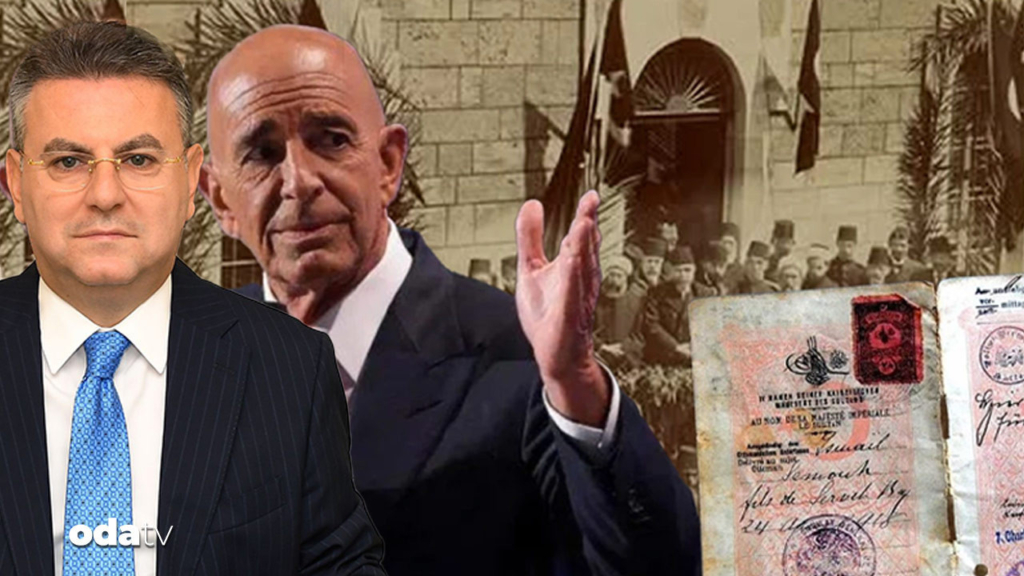

In the ever-complicated narrative of Türkiye–United States relations, a new chapter may be unfolding. With the nomination of businessman and diplomat Tom Barrack as the next United States Ambassador to Türkiye, many observers are cautiously optimistic. Among them is political commentator Korkmaz Karaca, who recently penned an emotional and insightful reflection on Barrack’s potential to serve not just as a political representative but as a cultural bridge.
Karaca’s piece, titled “Grandson of the Ottomans, Envoy of America”, introduces a striking idea. Could an ambassador with roots tracing back to the Ottoman Levant embody a new diplomatic language—one that speaks less in formal memos and more in shared memories, resonant history, and mutual understanding?
More Than a Title, More Than a Task
Tom Barrack is not an unfamiliar name in American business or political circles. He is known for his expansive network, multilingual fluency, and nuanced knowledge of global affairs. What makes his nomination to the Türkiye post especially intriguing is not just his professional resume but his cultural lineage. His family once lived in the Levant during the Ottoman Empire, an era that connects the Middle East, Türkiye, and Europe in a unique historical tapestry.
Barrack is fluent in Arabic, French, and English. He is familiar with Islamic customs and has childhood memories shaped by the scents, sounds, and stories of a region that still defines much of today’s geopolitical terrain. He does not just know the Middle East from books and briefings. He knows it from within.
A Symbolic Appointment with Real Potential
For Karaca and others, Barrack’s appointment carries more weight than a standard diplomatic post. It represents the possibility of a shift in mindset. The United States and Türkiye have endured a series of tensions in recent years—from military cooperation disputes to diverging views on regional conflicts. Yet, perhaps diplomacy needs more than policies and sanctions. Perhaps it also needs familiarity, empathy, and historical consciousness.
As Karaca poignantly writes, “Sometimes an ambassador is not just a representative. Sometimes an ambassador becomes a bridge—between past and future, East and West, us and them.” Barrack, with his Levantine roots and multilingual background, could embody this rare kind of ambassadorship.
Understanding Before Negotiating
Modern diplomacy is often marked by detachment. Officials serve states, not sentiments. Yet history shows us that breakthroughs in international relations frequently stem from understanding. From Eisenhower’s familiarity with European military culture to Sadat’s emotional visit to Israel, transformative diplomatic moments are often rooted in human gestures and emotional resonance.
In this context, Barrack’s familiarity with Türkiye’s cultural fabric is not a sentimental footnote but a functional asset. If he understands Türkiye’s rhythms, anxieties, and ambitions, he is more likely to foster mutual respect in negotiations. When leaders feel understood, they listen more openly. When people sense recognition, they reciprocate with trust.
Shared Origins as a Diplomatic Currency
There is a long-standing belief in diplomacy that shared heritage and cultural ties can open doors closed to others. Türkiye has often felt misread by its Western allies—treated as a strategic ally but culturally misunderstood. The idea of having someone at the diplomatic table who knows what the call to prayer sounds like, who grew up hearing stories from the old Ottoman lands, introduces a new kind of dynamic.
Barrack’s appointment may signal that the United States is ready to move beyond a transactional approach to Türkiye. Instead of merely issuing demands or defense contracts, there may be an attempt to rebuild mutual confidence through respect, cultural literacy, and dialogue.
Caution and Hope in Equal Measure
Of course, one nomination cannot undo decades of mistrust. Real change requires more than symbolic appointments. It demands consistency, strategic alignment, and political will on both sides. Türkiye and the United States remain divided on key issues, from Syria to NATO policy. Still, symbolic gestures have power.
Karaca’s article is not naive. It does not suggest that Barrack’s roots alone will heal a complex bilateral relationship. Instead, it proposes something subtler—that identity, memory, and personal history matter. That diplomacy can be elevated when those involved carry with them more than credentials—when they carry a connection.
The Personal Is Political
As Karaca writes, “This time, someone like us is coming.” The phrase may appear simple, but it encapsulates a profound shift. For years, many Turkish citizens have viewed American officials as distant, unfamiliar, and culturally indifferent. A representative who feels relatable, even in subtle ways, may help soften that perception.
Diplomacy is built on policy, yes—but also on people. Eye contact, tone of voice, the choice of one word over another—these are the small details that build or break rapport. Someone like Barrack, who knows how Türkiye sees itself and how it wants to be seen, might just have the emotional intelligence to navigate these details with grace.
A Bridge Between Histories
Türkiye’s geography places it at the crossroads of East and West. Its identity is layered, complicated, and often misunderstood. Having an ambassador who carries some of those same complexities may allow for a unique diplomatic chemistry. Barrack’s family history may serve as a quiet reassurance that understanding is possible—even when agreement is not.
Korkmaz Karaca’s reflections are not merely about one man. They are about the kind of diplomacy that Türkiye yearns for—respectful, informed, and sincere. In a world where embassies are often seen as extensions of power, perhaps this nomination introduces the idea that they can also be spaces of listening and learning.
Looking Ahead
As the world watches Barrack’s confirmation and eventual arrival in Ankara, expectations will naturally grow. Will he represent a more thoughtful chapter in Türkiye–US relations? Will his cultural heritage translate into diplomatic success? Only time will tell. But as Karaca writes, perhaps great transformations begin with small symbols—with a voice, a gesture, or a well-chosen word.
If Barrack approaches his role not just as a duty but as a dialogue—if he comes not just to speak but to hear—then perhaps Türkiye will respond not with suspicion but with cautious optimism.
Conclusion
Tom Barrack may arrive as an American ambassador, but if he chooses to carry with him the echoes of his heritage, the smells of Levantine mornings, the rhythm of Ottoman prayers, and the quiet knowledge of shared pasts—he might help open doors diplomacy alone cannot unlock.
In a relationship fraught with suspicion and scars, perhaps he can be a reminder that bridges, once built, can carry not only words—but hope.