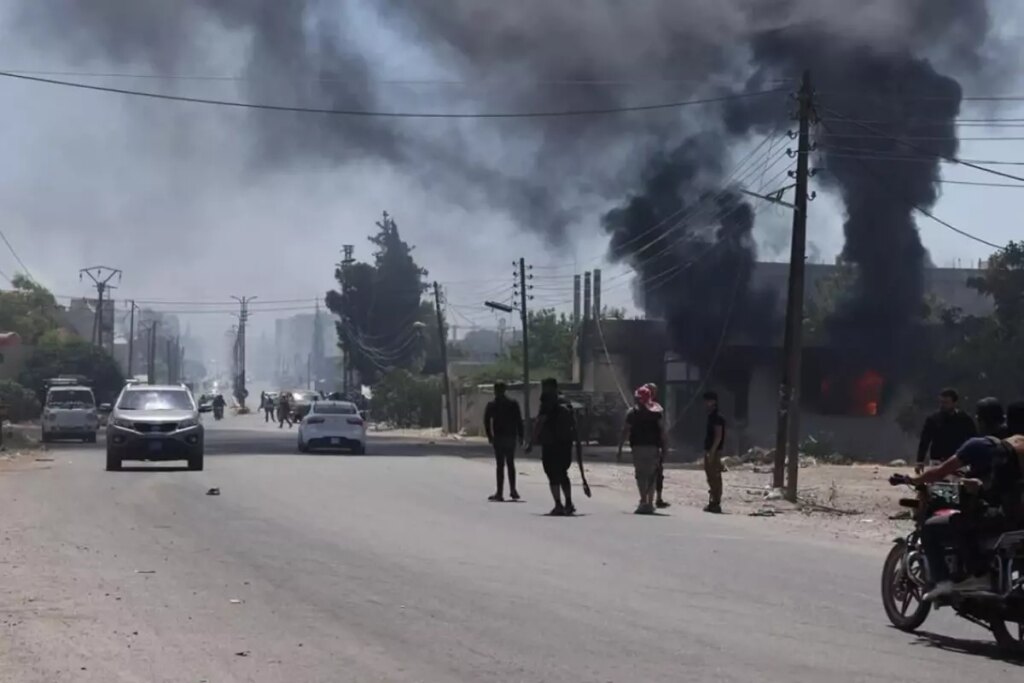

The fragile stability in southern Syria has been shattered once again following weeks of armed conflict between Druze militias and Arab tribal forces. As the clashes subsided in the Sweida province, the Syrian government issued a critical statement warning of a growing humanitarian disaster in the neighboring Daraa region. According to the government, more than 150,000 civilians have been evacuated from Sweida due to violence and insecurity.
Although a temporary ceasefire was reached, the displacement of civilians and rising tensions linked to Druze autonomy demands continue to threaten regional peace. Syria’s complex ethnic and sectarian dynamics, compounded by Israeli airstrikes and fragile governance, are pushing the region closer to a prolonged humanitarian emergency.
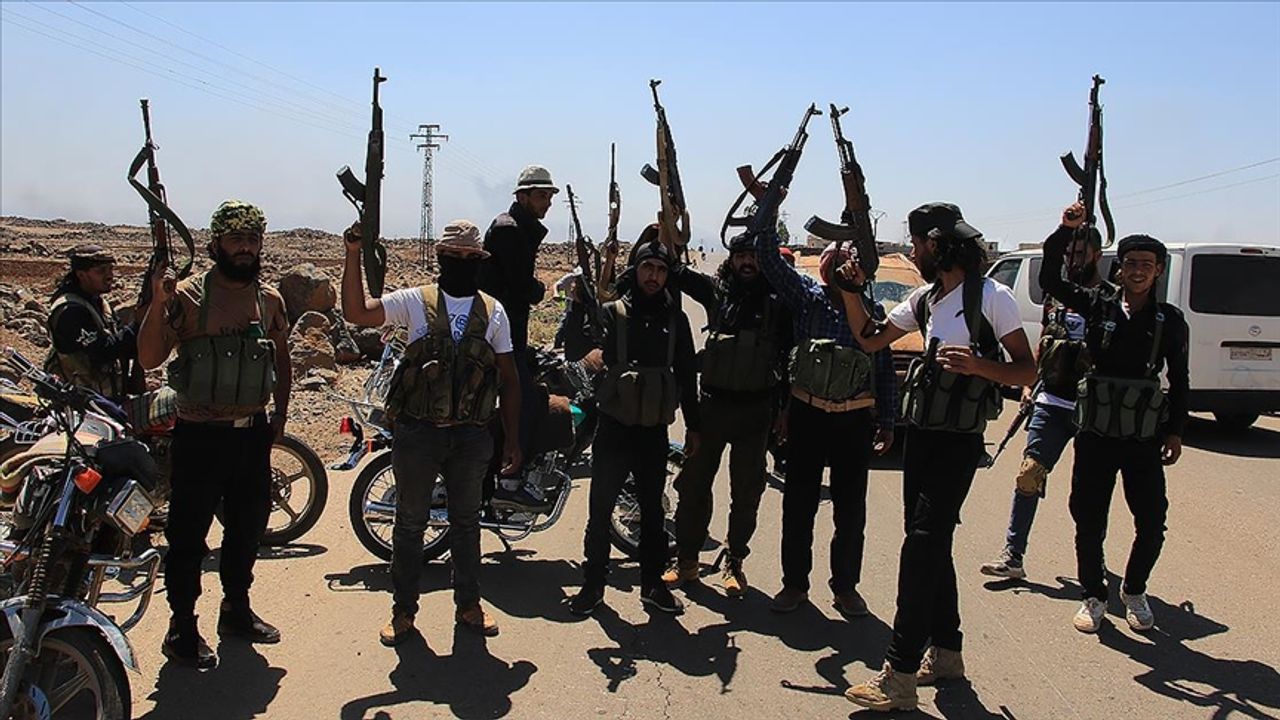
Syrian Government Confirms Large-Scale Civilian Evacuation
A senior Syrian government official reported that more than one hundred thousand people had fled the Sweida province in recent days, citing insecurity and a breakdown in civil order following clashes between armed groups. Most of those evacuated have reportedly been relocated to Daraa, which is now under pressure from a massive influx of internally displaced persons (IDPs).
The statement declared that Daraa is facing a serious humanitarian crisis. Local infrastructure is overwhelmed, basic services are collapsing, and aid distribution is faltering in the face of logistical and security challenges.
Roots of the Conflict and the Role of Druze Leader Hikmat al-Hejri
The renewed unrest in Sweida has been linked to the actions of influential Druze spiritual leader Hikmat al-Hejri. According to the Syrian government, al-Hejri’s armed followers are once again demanding an autonomous zone in the southern region, repeating calls made during similar unrest in 2023.
The statement further alleged that al-Hejri’s group is demanding a no-fly zone over Sweida as well as control over the southern border crossing with Jordan. These demands, framed by the government as a threat to national sovereignty, are contributing to the worsening crisis.
Moreover, officials accused al-Hejri’s faction of seizing humanitarian aid and redistributing it only to loyalists and family members. This has reportedly deepened divisions within the displaced population and further strained the region’s fragile aid system.
Israeli Airstrikes Add to the Chaos
The Syrian government’s statement also included new details about the impact of recent Israeli military operations in the region. According to their data, at least 200 Syrian security personnel have been killed in Israeli strikes over the past month.
Many of the casualties, including civilians and unidentified fighters, were reportedly buried in mass graves due to challenges in identification. The continued Israeli bombardment of Syrian government facilities, including strikes on the Presidential Palace, the General Staff headquarters, and the Ministry of Defense on July 16, has added a layer of international complexity to the crisis.
Chronology of Escalation in Sweida
Violence first erupted on July 13 when clashes broke out between Bedouin Arab groups and Druze factions in Sweida. Syrian security forces dispatched to the area were ambushed in a deadly attack that led to further escalation.
Although a temporary truce was declared days later, Druze fighters affiliated with al-Hejri reportedly violated the agreement, triggering another wave of conflict. On July 19, the Syrian government redeployed troops to Sweida, resulting in the withdrawal of Bedouin elements and a fragile return to calm.
However, the long-term outlook remains grim. Even as active fighting subsides, the displacement of civilians and the breakdown of governance suggest that southern Syria is entering a new phase of crisis.
Regional Implications and Risk of Spillover
The conflict in Sweida is particularly concerning due to its geographical and sectarian sensitivity. The province is predominantly Druze, an ethno-religious minority group that has historically maintained a delicate relationship with the Syrian government. Demands for autonomy or special status could set a precedent for other regions and minority groups, potentially fragmenting the already fragile Syrian state.
Furthermore, Sweida’s proximity to Jordan and the Golan Heights raises the risk of regional spillover. Any prolonged instability could lead to increased border tensions, refugee flows, and security threats for neighboring countries.
Daraa Under Pressure Amid Humanitarian Breakdown
The influx of over 150,000 displaced civilians into Daraa has overwhelmed already stretched resources. Local NGOs and international aid agencies are struggling to respond to basic needs such as food, clean water, shelter, and medical care.
Access to Daraa has also been complicated by security concerns and infrastructure damage. Aid convoys are being delayed or rerouted, leaving thousands in makeshift shelters or exposed to the summer heat without adequate protection.
With few options for relocation or support, Daraa is quickly becoming a flashpoint for humanitarian distress. The United Nations has yet to release an updated appeal, but aid workers on the ground warn that conditions are rapidly deteriorating.
International Reactions and Calls for De-escalation
As of now, international responses have been limited, although human rights organizations and UN bodies are closely monitoring the situation. Some analysts have called for international mediation to de-escalate the tensions in Sweida and facilitate negotiations with community leaders.
Diplomatic sources suggest that Russia and Iran, both key players in Syria, may be engaging behind the scenes to contain the conflict and prevent further fragmentation. However, without a broader political solution, the region remains volatile and susceptible to renewed violence.
Challenges Ahead for Syria’s Stability
The current crisis in southern Syria reveals deep structural weaknesses in governance, security, and social cohesion. The government’s limited control over various armed factions, combined with the persistence of external military operations by Israel and growing demands for regional autonomy, paints a worrying picture.
While the redeployment of Syrian forces to Sweida may temporarily restore order, long-term peace will require inclusive dialogue, accountability for abuses, and sustained humanitarian support.
Conclusion
The evacuation of 150,000 civilians from Sweida to Daraa represents one of the most significant internal displacements in southern Syria in recent years. The crisis highlights the fragile balance of power in the region, the impact of unresolved sectarian grievances, and the consequences of external military interventions.
As Daraa faces an escalating humanitarian disaster, urgent international attention is needed. Without coordinated aid efforts and political engagement, the suffering of civilians will deepen, and the potential for renewed violence will grow.
In a conflict that has already endured more than a decade, the people of Sweida and Daraa are once again bearing the heaviest burden. Their fate now hangs in the balance between diplomacy, aid, and the choices of local and global actors.