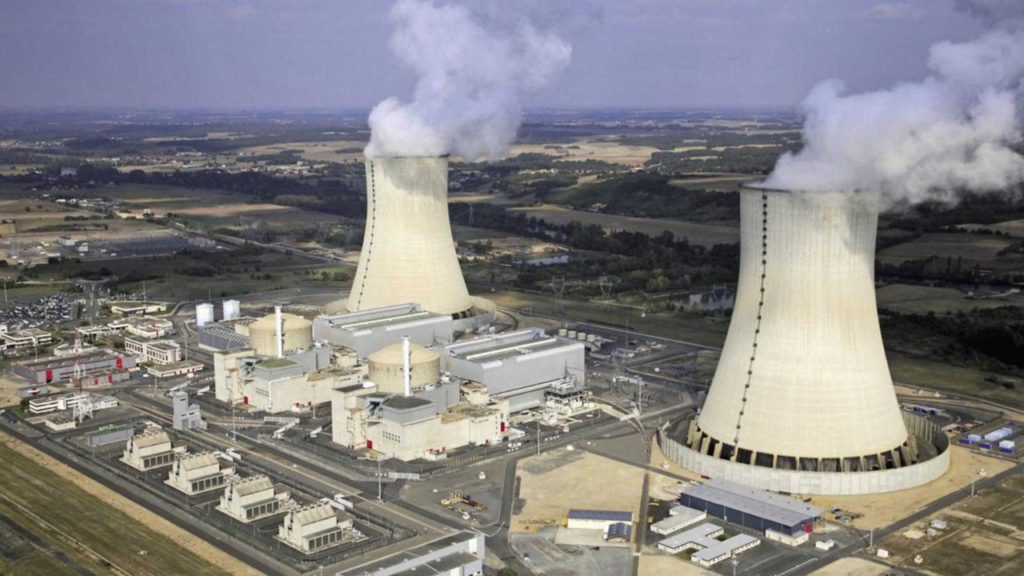

In the shadow of the Caucasus Mountains, just 35 kilometers from Yerevan and alarmingly close to Türkiye’s eastern border, sits a ticking time bomb disguised as infrastructure. Armenia’s nuclear power plant, a Soviet-era relic built in 1976, continues to supply nearly 40 percent of the country’s electricity. However, this critical energy source may pose a catastrophic risk not only to Armenia but also to Türkiye, Azerbaijan, Georgia, and Iran.
As geopolitical tensions rise and environmental concerns grow louder, the question becomes more urgent than ever. What will it take for the region and the world to recognize the danger of an aging nuclear facility sitting in a known earthquake zone
Built on Fragile Ground
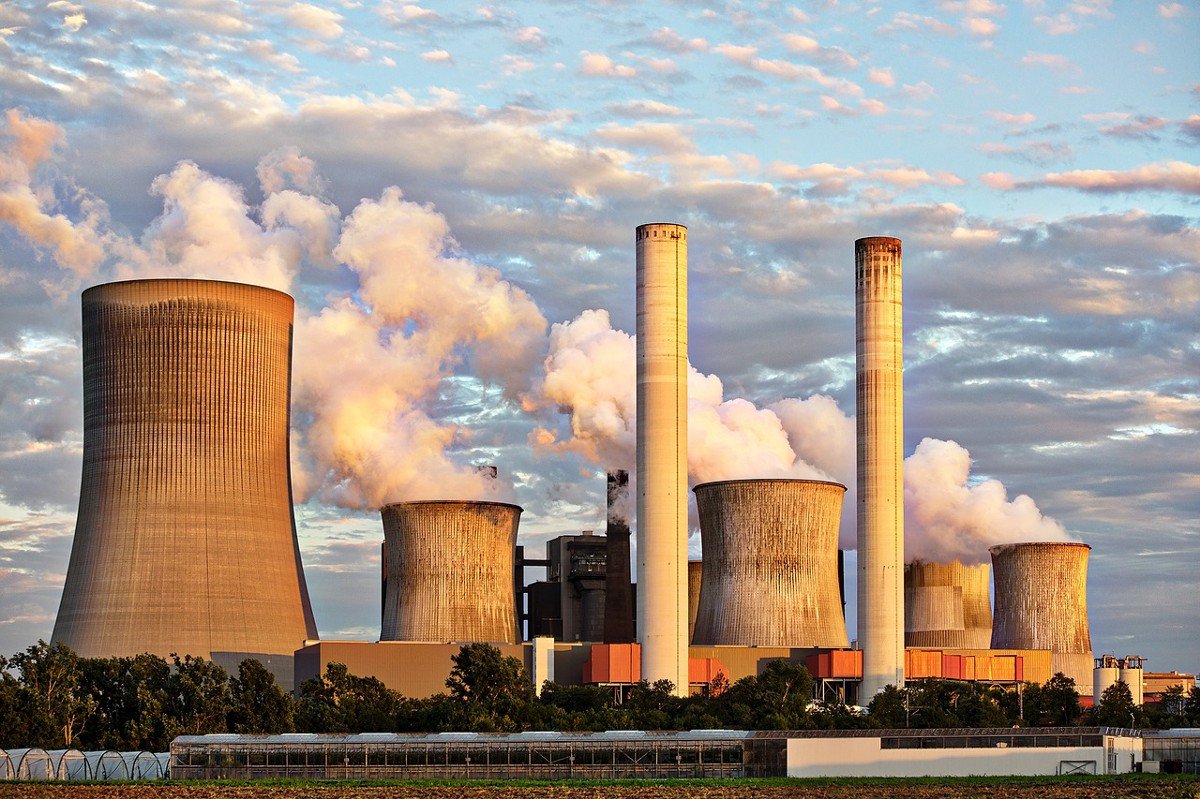
The Metsamor Nuclear Power Plant, as it is officially known, was constructed during the Soviet Union’s ambitious push for energy independence. The plant houses two reactors, one of which remains operational. Located in a region identified as high-risk for seismic activity, the plant was temporarily shut down for six years following the devastating Spitak Earthquake of 1988, which claimed over 25,000 lives.
Although the plant was brought back online in 1995, experts have continued to express grave concerns. Its design does not meet modern international safety standards. Furthermore, its location within an active seismic zone is seen as an inherent, unresolvable flaw. If an earthquake were to hit the region with intensity, the risk of reactor breach or radiation leak could mirror—or even surpass—the scale of Chernobyl.
A Regional Risk with Global Implications
The geopolitical sensitivity of the Metsamor plant cannot be overstated. While Armenia depends heavily on the plant for energy, its geographic position makes it a direct threat to several nations. Türkiye’s Iğdır province, known for its agricultural richness, lies directly across the border. Radiation leakage would not stop at political lines. The wind, water, and soil would all carry the damage far and wide, affecting food security, water resources, and public health for millions of people.
Yerevan, the Armenian capital, sits dangerously close to the plant. In a worst-case scenario, mass evacuation would be unavoidable. This would trigger a national crisis, potentially displacing hundreds of thousands of residents and creating a humanitarian disaster within Armenia itself.
The Ghost of Chernobyl
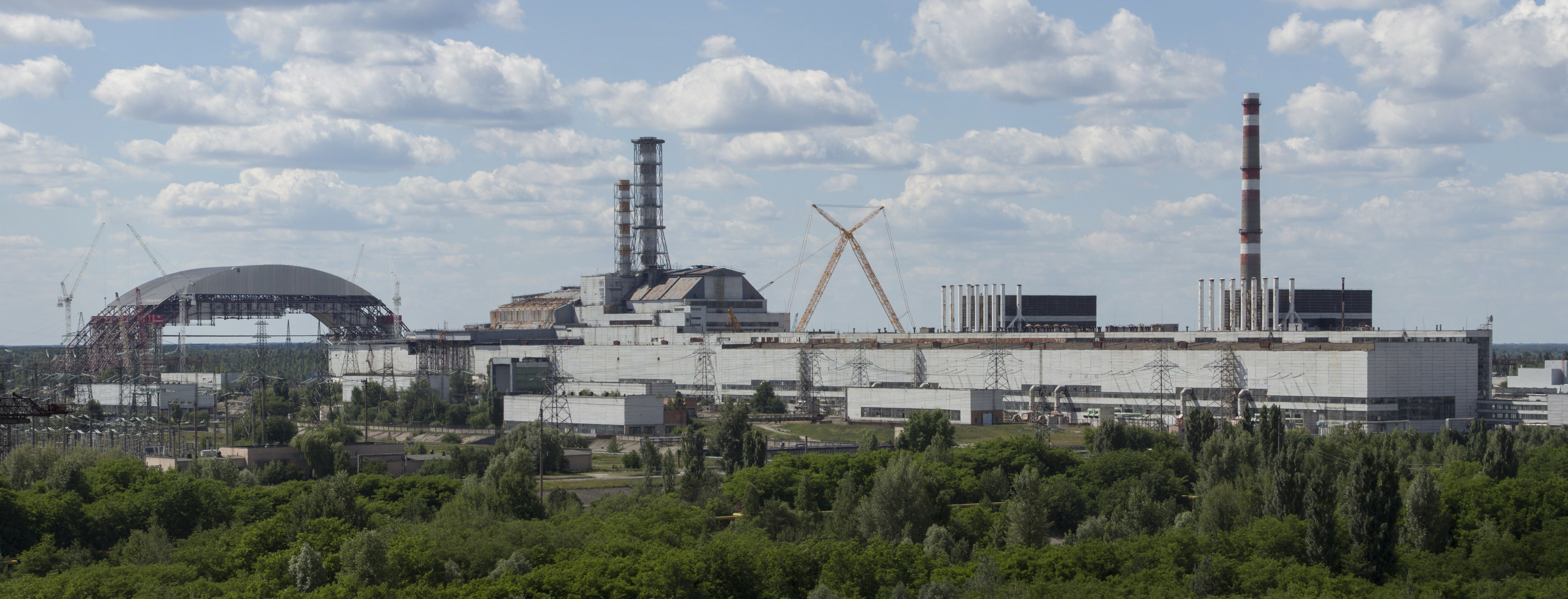
Memories of Chernobyl still linger in the global consciousness, and for good reason. The disaster displaced over 300,000 people, rendered large swaths of land uninhabitable, and caused long-term health consequences that are still being studied decades later. A similar incident at Metsamor would have comparable or even broader effects, considering the plant’s outdated infrastructure and its proximity to multiple international borders.
Unlike Chernobyl, where the Soviet government eventually evacuated surrounding towns, there is little indication that Armenia has the capacity or resources to handle a similar emergency today. This raises alarm across the region and places immense pressure on the Armenian government to find a solution that currently appears beyond its reach.
Russia’s Strategic Hold on Armenian Energy
One of the more complex elements in this equation is Russia’s role in the operation and modernization of the plant. Rosatom, the Russian state nuclear corporation, manages the facility. While Armenia has requested modernization efforts, Russia appears reluctant.
Analysts suggest this hesitation is linked to Armenia’s recent moves toward strengthening ties with Western institutions. As Yerevan distances itself from Moscow, the Kremlin may see a weakened Armenian energy sector as leverage in preserving influence over its former satellite.
This geopolitical tug-of-war leaves Armenia in an energy limbo. It cannot afford to shut down Metsamor without facing serious domestic energy shortages, yet it cannot secure the upgrades it needs without Russian cooperation. Meanwhile, the clock keeps ticking on safety risks that know no borders.
Mounting Domestic and International Pressure
Environmental groups, scientists, and civil society organizations within Armenia have been increasingly vocal about the need for urgent action. The Armenian public is growing more aware of the plant’s risks, particularly in light of rising seismic activity in the region and frequent reminders of past nuclear disasters.
Neighboring countries, including Türkiye, have also expressed deep concern. Diplomatic communications on the matter have intensified, especially after Türkiye’s 2023 Earthquake Resilience Report highlighted the dangers of transboundary radiation exposure from Metsamor.
The European Union and international watchdogs like the International Atomic Energy Agency (IAEA) have issued multiple warnings. Yet without viable energy alternatives and international financial support, Armenia remains trapped between dependence and disaster.
The Technical Reality of Decommissioning
Shutting down a nuclear power plant is neither quick nor inexpensive. It involves complex engineering, extensive safety protocols, long-term waste storage solutions, and a massive financial commitment. Armenia, a country with limited economic resources, cannot undertake such a task alone.
To make matters more difficult, the decommissioning of Metsamor would create a significant energy vacuum. Replacing nearly 40 percent of the national grid would require rapid investment in renewable sources, expanded import capabilities, or construction of a new, modern nuclear facility—none of which can happen overnight.
This creates a high-stakes scenario where time, money, and political will are all in short supply. The international community must step in, not just with pressure, but with practical solutions and funding.
Alternative Solutions on the Horizon
Despite the challenges, potential paths forward exist. One strategy involves gradually replacing the Metsamor output with renewable energy investments. Armenia has considerable potential in solar and hydroelectric power, and international donors may find these projects more attractive given the safety implications.
Another option is regional energy integration. By strengthening grid connections with Georgia, Iran, and even Türkiye, Armenia could diversify its energy sources and reduce reliance on Metsamor. Such integration would not only ease the nuclear risk but could also foster improved diplomatic relations across the region.
Furthermore, a multilateral agreement on phased decommissioning and regional safety oversight could pave the way for a safer Caucasus. This would require unprecedented levels of cooperation but could set a new standard for regional nuclear diplomacy.
Time Is Running Out
Every year that passes without action increases the probability of disaster. While Metsamor continues to hum quietly in the background of Armenian life, the risks grow louder. Scientific reports, seismic data, and international scrutiny all point to the same conclusion—the plant must be shut down before it becomes a tragedy.
The decision does not lie solely in the hands of Armenia. The plant’s risk profile makes it a matter of international concern. Countries that could be affected must work together now to prevent catastrophe later.
The fate of Metsamor is a test—not just of engineering and diplomacy but of humanity’s ability to learn from past mistakes and act before it is too late.