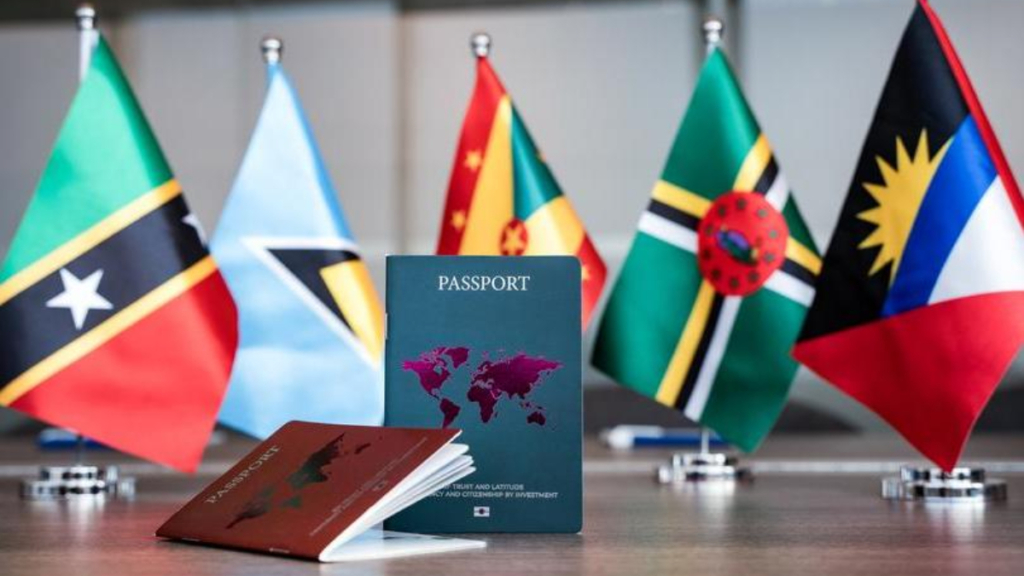

A cluster of small island nations in the Caribbean is gaining remarkable attention among global elites for a unique offering that blends luxury real estate with geopolitical security. Antigua and Barbuda, Dominica, St. Kitts and Nevis, St. Lucia, and Grenada are among the countries that now offer citizenship in return for property investment. With entry points starting around 200,000 USD, these Citizenship by Investment (CBI) programs have drawn interest from investors in North America, Europe, the Middle East, and increasingly, from Türkiye.
What was once a discreet option known only among ultra-high-net-worth individuals is now a strategic second-plan for many. For Turkish citizens, in particular, the Caribbean represents both an opportunity for global mobility and a hedge against political and economic uncertainty.

A Citizenship Strategy Built on Real Estate
The cornerstone of most Caribbean citizenship programs is investment in government-approved real estate projects. These typically include luxury villas, beachfront resorts, or condominium developments, where the purchase of a property not only secures ownership in paradise but also leads to a second passport.
This passport unlocks visa-free or visa-on-arrival access to as many as 150 countries, including the entire Schengen Area, the United Kingdom, and key destinations in Asia and Latin America. In a world where travel and residency have become increasingly constrained, these benefits are seen as invaluable by many global citizens.
Nadia Dyson, owner of the luxury real estate firm Luxury Locations based in Antigua, highlights this trend. “Today, around 70 percent of our buyers are purchasing with the primary goal of acquiring citizenship,” she explains. “Previously, homes were bought for vacation or investment purposes. Now, almost every buyer asks if the property qualifies for the citizenship program. We’ve never experienced this level of demand before.”
Türkiye’s Rapidly Growing Role in the Caribbean CBI Market
According to data provided by Henley & Partners, a leading global investment migration consultancy, Turkish citizens have become one of the most active applicant groups in Caribbean citizenship programs. In the second quarter of 2025, Türkiye ranked as the second-highest nationality applying for Caribbean CBI.
Roughly 10 percent of all Turkish CBI applicants chose Caribbean destinations, with Antigua and Barbuda, St. Lucia, and Grenada topping the list of preferences. Several factors are fueling this trend.
For many affluent Turks, citizenship by investment is more than a status symbol—it is a calculated move toward international freedom, economic diversification, and personal security. In a volatile geopolitical environment, a second passport is increasingly seen as an essential asset.
Why the Caribbean Appeals to Turkish Investors
Several characteristics make Caribbean countries particularly attractive to Turkish nationals seeking second citizenship:
Low Investment Thresholds
Compared to European golden visa programs, which can require investments upward of 500,000 to 1 million euros, Caribbean CBI options start at 200,000 USD.Fast Processing Times
Many Caribbean countries can issue citizenship within three to six months, offering a quick path to global mobility.Visa-Free Travel
Access to the Schengen Zone, the UK, Hong Kong, and Singapore is especially valued by Turkish entrepreneurs and businesspeople.No Residency Requirement
Most programs do not require applicants to physically reside in the country, allowing investors to maintain their base in Türkiye or elsewhere.Tax Benefits
Caribbean countries generally impose no wealth, inheritance, or capital gains taxes on foreign nationals, making them attractive for asset protection.
Evolving Motivations Beyond Luxury
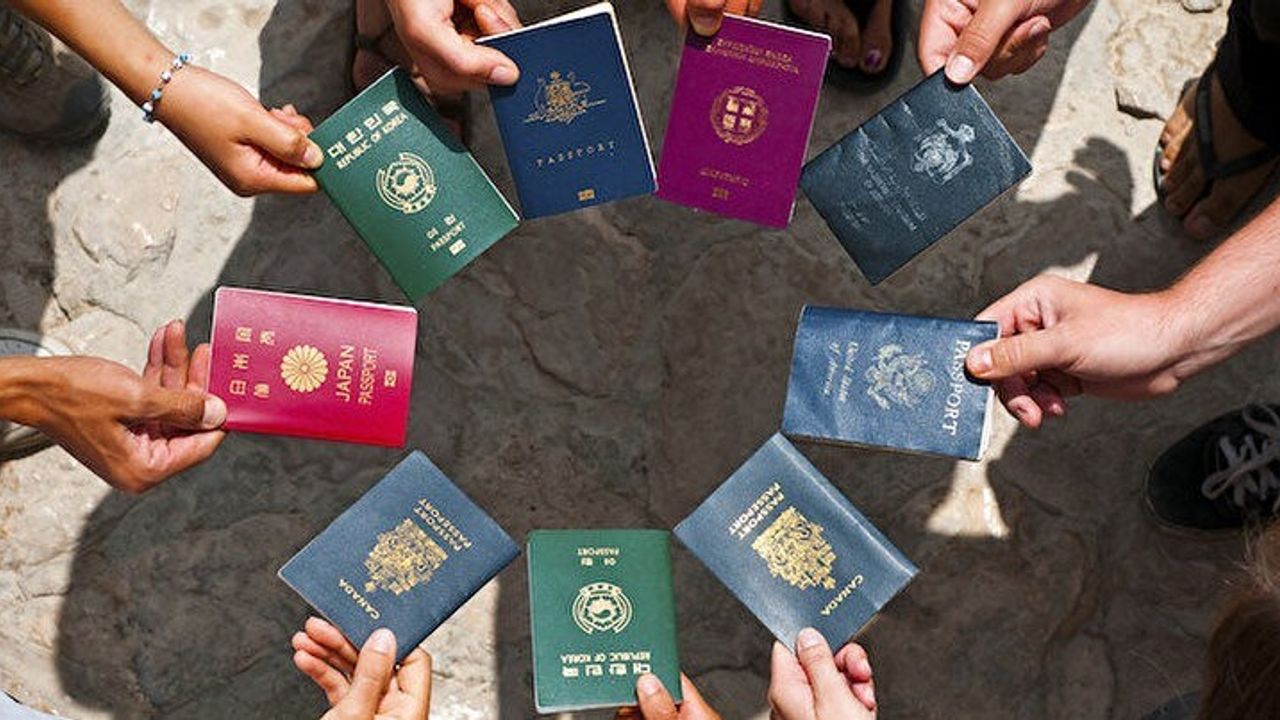
While pristine beaches and tax incentives certainly play a role, today’s CBI applicants often cite more pragmatic concerns. For Turkish citizens, issues such as currency instability, tightening visa policies, and regional tensions have encouraged a proactive approach to international mobility.
CBI programs also appeal to families. Many allow the main applicant to include spouses, children, and even dependent parents, making it a multi-generational strategy. Parents are especially drawn to the educational opportunities that open up for their children with a second citizenship in hand.
Some Turkish applicants even use their Caribbean citizenship as a stepping-stone for further relocation to countries like Canada, Australia, or the United Kingdom, where Caribbean passports may offer simplified immigration pathways.
Real Estate Trends in a Changing Market
The structure of the CBI programs means that applicants often end up purchasing shares or full units in government-approved developments. These are typically managed properties that offer rental income and the option for resale after a minimum holding period (usually 5 years).
As demand has risen, developers have adjusted their offerings accordingly. Properties that once targeted holidaymakers are now being packaged specifically for CBI applicants. In some markets like Antigua and Grenada, CBI-compliant projects dominate the luxury property sector.
This has created a thriving secondary market for citizenship-linked properties, especially among investors who see the dual benefit of financial returns and increased global access.
Government Perspectives and Economic Benefits
For Caribbean nations, citizenship by investment has become a crucial economic pillar. The funds raised through these programs are often used to finance infrastructure, healthcare, education, and tourism development.
While the programs have faced criticism from some international bodies over concerns about transparency or due diligence, most participating countries have strengthened their vetting procedures and comply with international anti-money laundering standards.
Governments often argue that CBI is a legitimate and mutually beneficial arrangement that allows small economies to attract foreign capital while offering investors an escape route from uncertainty.
Navigating the Legal and Logistical Landscape
Applying for CBI is not without complexity. Successful applicants must navigate a series of steps, including due diligence checks, documentation requirements, property acquisition, and legal verification.
As a result, most applicants rely on specialized advisory firms to guide them through the process. Turkish-based firms in İstanbul, Ankara, and İzmir now offer CBI consulting services specifically tailored for clients targeting the Caribbean.
Additionally, local real estate agents in Caribbean countries often work closely with migration firms, developers, and legal professionals to ensure a smooth process for international buyers.
Looking Ahead as Demand Surges
The momentum behind Caribbean citizenship programs shows no signs of slowing down. For Turkish investors, the appeal lies in a unique combination of financial freedom, travel flexibility, and future-proof planning.
As the world becomes more interconnected and yet more uncertain, the ability to live, invest, or travel across borders is being redefined as a necessity rather than a luxury. Caribbean nations, with their strategic CBI offerings, have positioned themselves at the center of this transformation.
For the growing number of Turkish citizens embracing second citizenship, the Caribbean is not just a destination—it is a gateway to global opportunity.