
Türkiye has officially implemented a revised Special Consumption Tax (ÖTV) regulation that significantly alters the pricing structure of vehicles across multiple segments. From electric vehicles (EVs) to traditional internal combustion engine (ICE) models and plug-in hybrids, the changes in tax brackets are already being felt across dealerships, as manufacturers rush to adjust pricing in response to the new framework.
While some vehicles have seen a price reduction—particularly domestically produced combustion engine cars—others, especially in the electric segment, have become more expensive overnight.

Understanding the New ÖTV Structure
The Special Consumption Tax (ÖTV) is one of Türkiye’s most decisive factors in determining vehicle prices. It applies not only to luxury goods but to all new car purchases. Under the new rules:
Electric Vehicles (EVs) are now taxed at rates ranging from 25 percent to 75 percent, depending on motor power and battery capacity.
Internal Combustion Engine (ICE) vehicles face ÖTV rates between 70 percent and 220 percent, based on engine size and pre-tax price.
Plug-in hybrid models are taxed at 45 percent to 85 percent, positioning them between fully electric and traditional engine categories.
This restructuring is designed to reflect Türkiye’s push for a more balanced, tech-forward and environmentally conscious car market while still supporting local manufacturing and fiscal revenue goals.
How Automakers Are Reacting
In order to remain competitive, many automakers operating in Türkiye have adjusted their prices—even for vehicles whose ÖTV bands did not change. The goal is to prevent a loss of market share in an increasingly price-sensitive market, especially as inflation continues to impact consumer purchasing power.
For example:
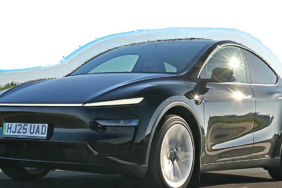
Price hikes have been applied to a broad range of imported electric vehicles, including popular models from Tesla, BMW, and Hyundai.
Price cuts have been introduced for locally produced ICE cars, such as certain models from Renault, Fiat, and Toyota Türkiye, whose manufacturing plants are based within the country.
This mixed pricing strategy highlights the complexity of the market following the regulation. While incentives for domestic production remain, imported electric cars—despite their environmental advantages—now face higher entry costs.
Electric Vehicle Segment Faces Unexpected Price Surges
The tax rate increase on certain EVs came as a surprise to many industry observers. Previously incentivized to promote sustainability, EVs were expected to enjoy continued tax breaks. However, as EV adoption grows, the government appears to be recalibrating its fiscal strategy to include EVs as significant revenue generators.
In some cases, price increases reached 10 to 20 percent, depending on battery capacity and motor output. This has slightly dampened enthusiasm among potential EV buyers who had been waiting for price drops in line with global trends.
Nonetheless, brands are countering these effects with promotional campaigns, interest-free loans, and buyback guarantees to maintain sales momentum.
Hybrids Remain a Middle Ground Option
Plug-in hybrid electric vehicles (PHEVs) remain in a favorable position within the tax spectrum. With ÖTV rates between 45 percent and 85 percent, they offer a compromise between fully electric and combustion-based models.
Manufacturers like Toyota, Honda, and Ford are emphasizing their hybrid offerings more aggressively in their marketing strategies, hoping to attract buyers who seek lower emissions without the full commitment to electric infrastructure.
PHEVs also benefit from lower fuel consumption, reduced urban emissions, and in many cities, exemptions from traffic restrictions and parking fees.
Impact on Locally Manufactured Cars
One of the most direct benefits of the new ÖTV structure is observed in the pricing of locally assembled ICE models. These vehicles are strategically priced to remain under critical ÖTV thresholds—especially models with engine capacities below 1600cc and competitive base prices.
As a result:
Some entry-level sedans and hatchbacks now see price reductions of 5 to 10 percent.
Models like the Fiat Egea, Renault Clio, and Hyundai i20, all produced in Türkiye, are expected to gain further traction among middle-income buyers.
These price cuts not only stimulate local sales but also reinforce Türkiye’s goal of developing a robust domestic auto industry that is less reliant on imports.

A New Set of “Most Affordable” Cars Emerges
As price lists are updated across dealerships and brand websites, a new ranking of Türkiye’s most affordable cars is starting to take shape. Among the leading contenders:
Fiat Egea Sedan (Manual, Gasoline)
Renault Clio Joy
Hyundai i10 Base Model
Citroën C3 Live
Dacia Sandero Stepway
These vehicles fall into ÖTV brackets that favor affordability, especially for young drivers, city dwellers, and families seeking budget-friendly mobility solutions.
Long-Term Market Implications
Economists and automotive experts believe the revised ÖTV model will have the following long-term effects:
Encouraging vehicle downsizing, as buyers seek to avoid high tax brackets associated with larger engines or luxury trims
Boosting domestic production, as locally built models become more price competitive
Tempering EV enthusiasm temporarily, unless new subsidies or infrastructure incentives are introduced
Increasing model diversification, as brands adjust their lineups to stay under critical tax thresholds
It is likely that Turkish car buyers will become even more price-conscious, placing greater emphasis on total cost of ownership—including fuel, insurance, and resale value—rather than brand prestige alone.
What Turkish Consumers Should Consider
For those planning to buy a car in Türkiye under the new tax regime:
Compare the net pre-tax price of similar vehicles to understand their tax impact
Choose the engine and trim carefully, as small variations can lead to significant tax differences
Monitor financing offers, as brands may offer incentives to offset the burden of tax-related price increases
Evaluate the cost of EV ownership, including charging infrastructure and insurance premiums
It’s more important than ever to approach vehicle purchases with long-term planning and awareness of how taxes influence pricing.
Looking Ahead
While the ÖTV revision introduces short-term confusion, it is ultimately aimed at modernizing Türkiye’s auto sector. The government’s dual priorities—boosting revenue and encouraging local production—are shaping the new vehicle landscape.
The real winners will be automakers and consumers who adapt quickly, make informed decisions, and take advantage of strategic pricing windows before the market stabilizes again.