
Türkiye’s tourism sector has once again demonstrated its resilience and growth potential, recording a significant increase in both tourism revenues and international visitor numbers in the second quarter of 2025. According to the latest data released by the Turkish Statistical Institute (TÜİK), total tourism income rose by 8.4 percent compared to the same quarter last year, reaching a remarkable 16.28 billion dollars.
These figures cover the months of April, May, and June and reflect the strength of Türkiye’s travel industry during the start of the peak summer season. The growth is attributed to increased global travel demand, improved marketing efforts, and Türkiye’s diverse tourism offerings that continue to attract millions of visitors from around the world.
Tourism Revenue Surges Amid Growing Interest in Türkiye
In the second quarter, revenue generated from foreign visitors amounted to 16.09 billion dollars, while those arriving through personal transfers (often citizens living abroad) contributed 189 million dollars. Citizens residing abroad made up 16.5 percent of the overall tourism revenue, demonstrating the importance of diaspora connections in the country’s tourism economy.
This upward trend reflects the robust recovery of the travel industry following the disruptions of recent years and signals growing global confidence in Türkiye’s hospitality, cultural heritage, and safety standards.
Travel Behaviors Highlight Shifts in Visitor Preferences
A closer look at the data reveals interesting patterns in visitor behavior. Of the 16.41 million people who visited Türkiye during the second quarter, 2.68 million were citizens living abroad. These travelers organized their trips either independently or through package tours.
Out of the total tourism spending, 11.1 billion dollars came from personal travel expenses, while 4.99 billion dollars were spent through package tour arrangements. This suggests a balanced distribution between personalized travel and professionally arranged group tours, appealing to both independent explorers and convenience-seeking tourists.
The average per-night spending across all visitors stood at 110 dollars, whereas for Türkiye’s citizens residing abroad, the average was 73 dollars per night. This gap reflects varying economic profiles and spending behaviors but highlights the consistent appeal of Türkiye as a cost-effective destination.
Spending Categories Reveal Strategic Opportunities
Tourism spending was further broken down into key categories, providing valuable insights for tourism professionals and policymakers:
Package tours accounted for 31 percent of total spending
Food and beverage purchases made up 19.4 percent
International transportation expenses represented 12.8 percent
Notably, international transportation spending increased by 13.8 percent compared to the same quarter of the previous year, followed closely by a 13.7 percent rise in food and beverage expenditures and a 12.5 percent increase in expenditures on tour services.
This growth suggests not only increased volume but also an uptick in quality and experience-based tourism, as visitors allocate more funds toward convenience, gastronomy, and guided experiences.
Visiting Friends and Family Remains a Strong Motivation
While leisure and sightseeing remain core motivations for international travelers, visiting friends and family continued to hold a prominent position. In the second quarter, 16.8 percent of visits were for family or social reasons, making it the second most common reason for travel. Shopping was the third leading motive, accounting for 5.6 percent of all visits.
Among citizens of Türkiye living abroad, 60.7 percent came primarily to visit relatives and friends. This underscores the emotional and cultural bonds that continue to bring millions back to Türkiye each year and emphasizes the value of heritage tourism and cross-border connections.
Tourism Expenditures Abroad Also on the Rise
While Türkiye welcomed millions of visitors during the second quarter, outbound travel by its own citizens also saw notable financial growth. Tourism expenditure by Turkish citizens traveling abroad increased by 41.1 percent compared to the same period last year, reaching 2.76 billion dollars.
Of this amount, 1.85 billion dollars was spent on personal travel and 909 million dollars on package tours. Interestingly, the number of Turkish citizens traveling abroad slightly declined by 0.5 percent to 2.94 million, suggesting that while fewer people traveled, those who did spent more on average. The per capita spending for outbound travelers was 936 dollars, indicating a rise in quality-conscious tourism behavior among Turkish citizens.
Türkiye’s Diverse Appeal Strengthens International Standing
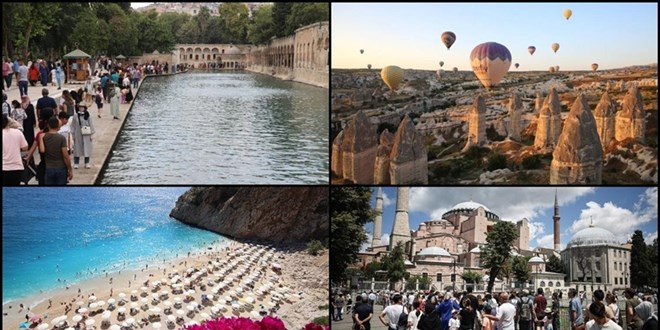
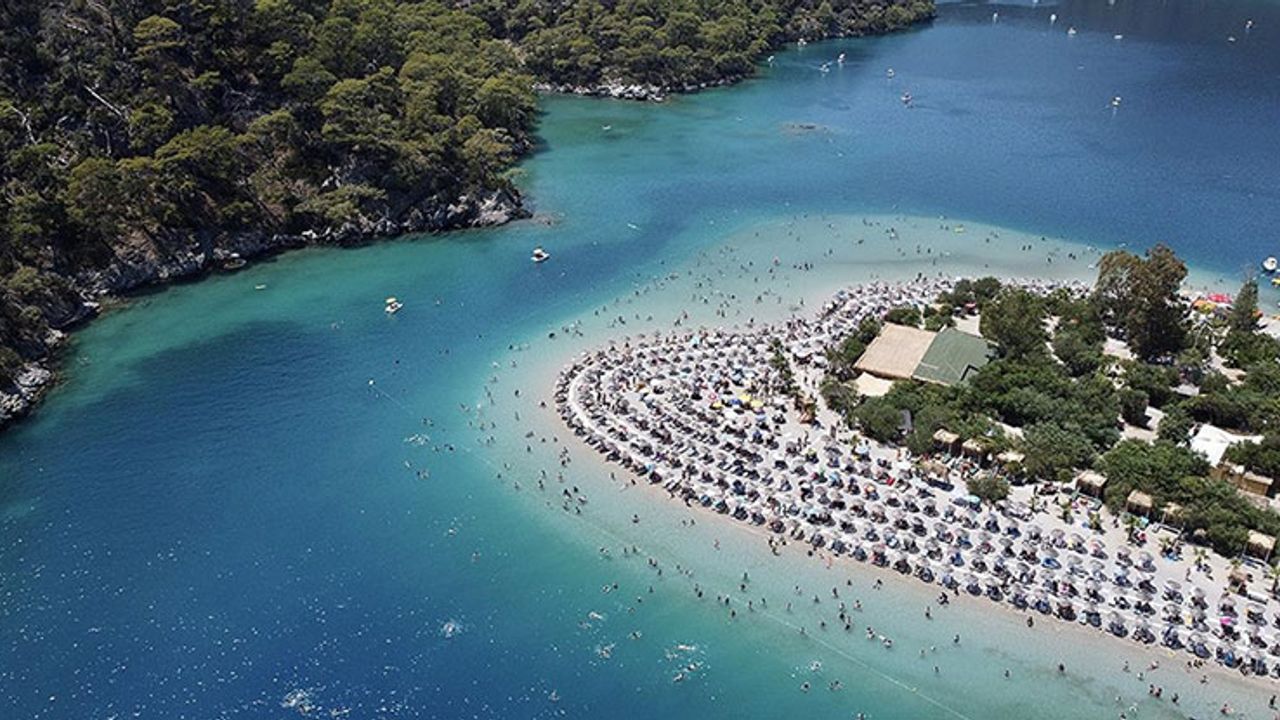
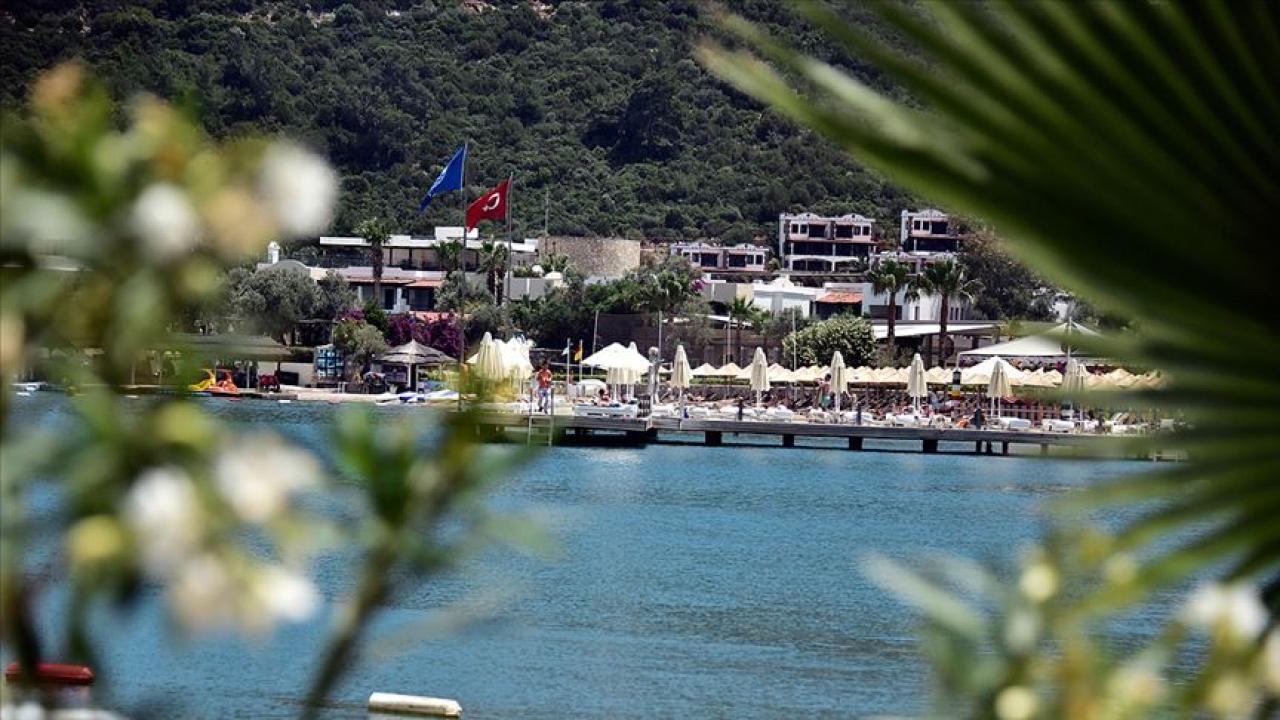
The consistent upward trend in tourism indicators highlights Türkiye’s position as a versatile and resilient destination. From its historical landmarks and coastal resorts to its gastronomic experiences and vibrant city life, Türkiye continues to draw a wide range of visitors from across Europe, the Middle East, Asia, and beyond.
The government’s efforts in enhancing infrastructure, safety measures, and promotional campaigns have also played a role in this growth. The “Go Türkiye” branding initiative and increased visibility on international platforms have helped reposition Türkiye not just as a summer holiday spot but also as a year-round destination for culture, nature, wellness, and business travel.
Strategic Implications for the Future of Tourism in Türkiye
The second quarter data sends a clear message to both policymakers and industry stakeholders. The sustained increase in tourism revenue, combined with a broadening visitor profile, presents a valuable opportunity to build a more inclusive and sustainable tourism ecosystem.
Investments in regional tourism development, digital tourism platforms, eco-tourism, and inclusive travel options could further diversify revenue sources. Additionally, promoting lesser-known destinations in Türkiye may help reduce pressure on traditional hotspots like İstanbul, Antalya, and Cappadocia.
Analysts also stress the need to improve the quality of services, workforce training in tourism, and integration of technology in travel planning and customer experience. With the right strategy, Türkiye can not only maintain this momentum but also elevate its tourism economy to new heights.
A Sector Driving Economic Growth and Global Engagement
Tourism remains a vital pillar of Türkiye’s economy, contributing to employment, cultural exchange, and regional development. The strong figures from Q2 2025 reaffirm the sector’s role in driving post-pandemic recovery and fostering Türkiye’s soft power on the global stage.
As the country prepares for the remainder of the summer season and beyond, continued focus on quality, safety, and diversification will be essential in converting this positive trend into long-term economic gains.