
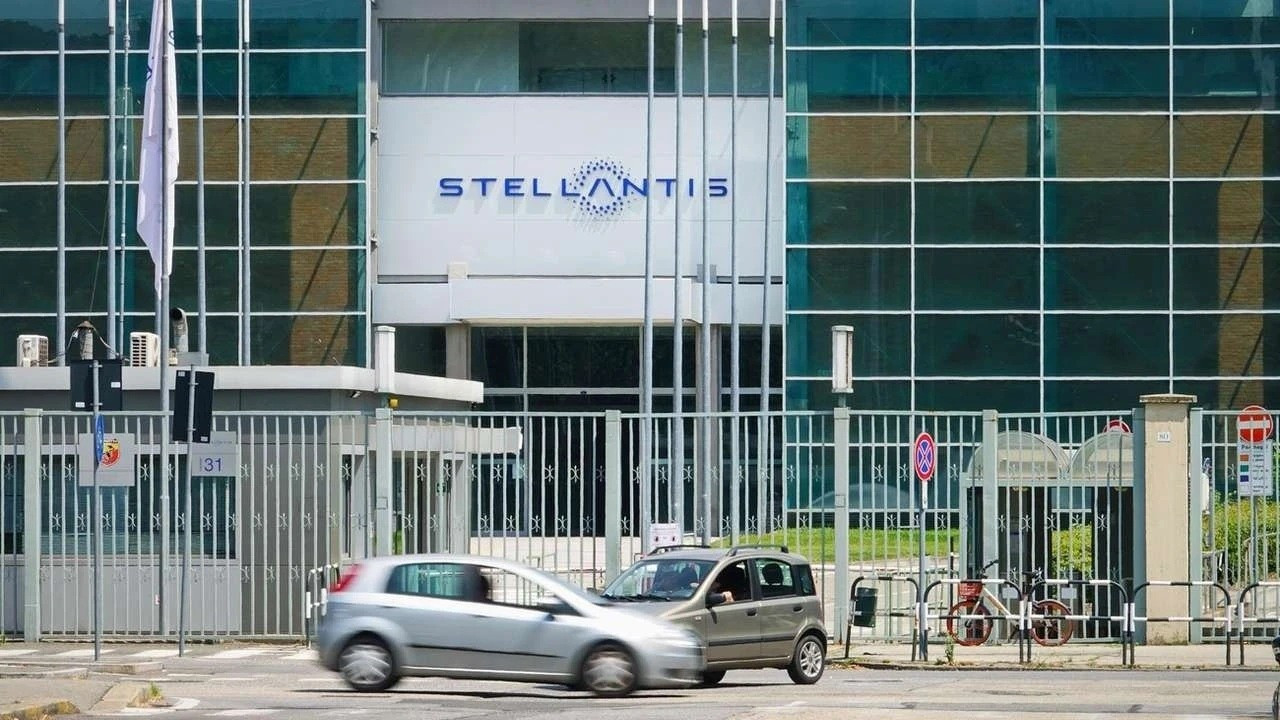
Stellantis N.V., the multinational automotive giant behind brands like Jeep, Peugeot, Fiat, and Dodge, has released its financial results for the first half of 2025. The company posted €74.3 billion in net revenues, marking a 13% decline compared to the same period in 2024.
Despite a challenging economic and geopolitical backdrop—marked by currency pressures, tariffs, and shrinking volumes in key regions—Stellantis executives remain cautiously optimistic, highlighting signs of gradual recovery and strengthened strategic positioning.

North America and Europe Underperform, South America Balances Decline
The company attributed the revenue drop primarily to weakened performance in North America and Extended Europe, two regions that historically contribute significantly to Stellantis’ topline. However, the South American market offered some relief, showing continued growth and partially offsetting losses from its more mature markets.
A key factor behind the European dip was the declining demand in the light commercial vehicle (LCV) segment, particularly in core markets such as France, Germany, and Italy. Additionally, the company faced mounting foreign exchange headwinds and import tariffs, which further compressed margins and affected operational efficiency.
CEO Antonio Filosa: ‘A Year of Tough Decisions and Targeted Recovery’
In his official statement, Stellantis CEO Antonio Filosa acknowledged the pressures of the current fiscal environment but emphasized strategic restructuring and signs of recovery across multiple metrics:
“2025 has been a challenging year so far, yet it is also proving to be a year of progressive recovery. When comparing the first half of 2025 to the second half of 2024, we are seeing signs of improvement in volumes, net revenue, and Adjusted Operating Income (AOI), despite intensifying external factors.”
Filosa also praised the new leadership team, stressing their willingness to make “tough but necessary decisions” in order to restore profitable growth and enhance performance in the coming quarters.
Adjusted Operating Income and Margins Decline Sharply
Stellantis reported an Adjusted Operating Income (AOI) of just €0.5 billion, reflecting a significant decline compared to previous reporting periods. The corresponding AOI margin stood at 0.7%, indicating reduced profitability in the face of sluggish consumer demand and rising production costs.
Nevertheless, there were bright spots. The company’s industrial free cash flow reached €3.0 billion, and total industrial liquidity hit €47.2 billion as of June 30, 2025. These numbers, relative to net income, remain above Stellantis’ internal targets and suggest a strong cushion for future investments and restructuring efforts.
Inventory Levels Rise Slightly, Supported by Product Launches and Shipment Growth
Another important development was the slight increase in total inventory, which stood at 1.2 million units—marginally higher than at the end of 2024. While large inventories can sometimes signal soft demand, Stellantis pointed to a 5% increase in vehicle shipments, helped by the successful launch of several new models in both the passenger car and commercial vehicle segments.
These new launches have contributed positively to brand engagement and dealer-level restocking, particularly in underserved rural and mid-size urban markets.
Recovery Trend Continues in H2 2025
One of the key takeaways from the report is Stellantis’ expectation of continued recovery throughout the second half of 2025. After the relative underperformance of 2024’s second half, early indicators for H2 2025 suggest growth in four critical areas:
Vehicle shipments
Net revenue
Adjusted Operating Income (AOI)
Industrial free cash flow
Executives stated that “momentum has returned” thanks to improved supply chain management, digital transformation initiatives, and renewed focus on cost discipline and core brand development.
Leadership Restructuring and Strategic Focus
Under CEO Filosa, Stellantis has undertaken a leadership reshuffling aimed at tightening operational control and better aligning regional strategies. The group has also reiterated its focus on EV development, platform standardization, and digitized after-sales services as core pillars for long-term growth.
According to internal sources, the company is considering consolidation of manufacturing facilities, introduction of AI-powered production forecasting, and deeper partnerships with semiconductor suppliers to counteract future supply chain disruptions.
Challenges Still Loom
While there are signs of improvement, several challenges remain on the horizon:
Persistent inflation in core markets
Fluctuating exchange rates tied to geopolitical instability
EV pricing pressures amid intensifying global competition
High labor costs in Western Europe and North America
Regulatory uncertainty, especially around emissions compliance in the EU and the U.S.
However, with a liquidity position exceeding €47 billion and continued free cash flow generation, Stellantis has the financial firepower to weather short-term turbulence.
What Analysts Are Saying
Market analysts responded to the results with a mixed tone. Some praised the company’s resilience and proactive leadership, while others expressed concerns over margin compression and softening core-market performance.
A report by JP Morgan noted:
“Stellantis remains one of the better-capitalized auto groups in Europe. However, revenue contraction in North America—its most profitable market—is a red flag that investors must continue monitoring.”
Meanwhile, Deutsche Bank analysts highlighted the potential upside in South America and India, where Stellantis has made targeted investments in localized production and entry-level EVs.
The Road to Stabilization
With a new leadership team in place, Stellantis appears to be reorienting itself toward leaner operations, market-specific strategies, and technological agility. Though 2025’s first half was difficult, the signals from the second quarter onward suggest that the company may be turning a corner.
If shipment volumes and product launches continue to perform, Stellantis may well return to pre-2024 profitability levels within the next 12 to 18 months.