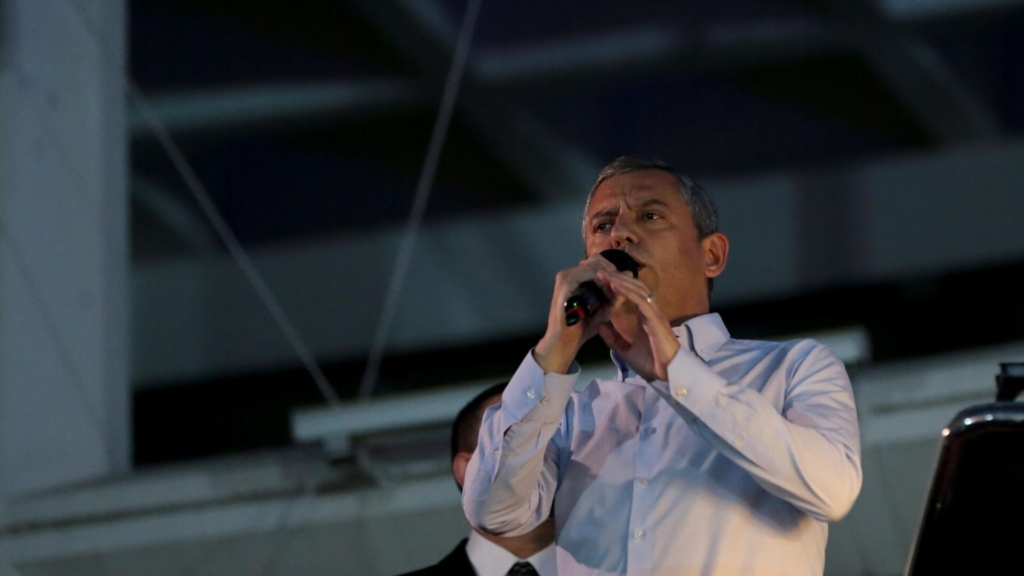

During a passionate speech in Aksaray, the leader of Türkiye’s main opposition party, Republican People’s Party (CHP), Özgür Özel, launched a scathing criticism against the United States Ambassador to Ankara. The criticism came after recent remarks by the ambassador on Türkiye’s historical millet system, which Özel claimed were culturally insensitive and politically misguided.
Özel’s speech, delivered in front of a large crowd, underscored growing tensions between Turkish political leaders and foreign diplomats who comment on Türkiye’s internal dynamics. His remarks sparked renewed debate over national unity, foreign influence, and the role of democracy in modern Türkiye.
A Strong Rejection of Sectarian Framing
The controversy began when the US Ambassador reportedly referred to the “Ottoman millet system,” implying a governance model based on religious and sectarian divisions. The ambassador later clarified that he meant a structure where “villages, religions, sects, orders, and tribes can coexist under a central system like a republic or democracy.”
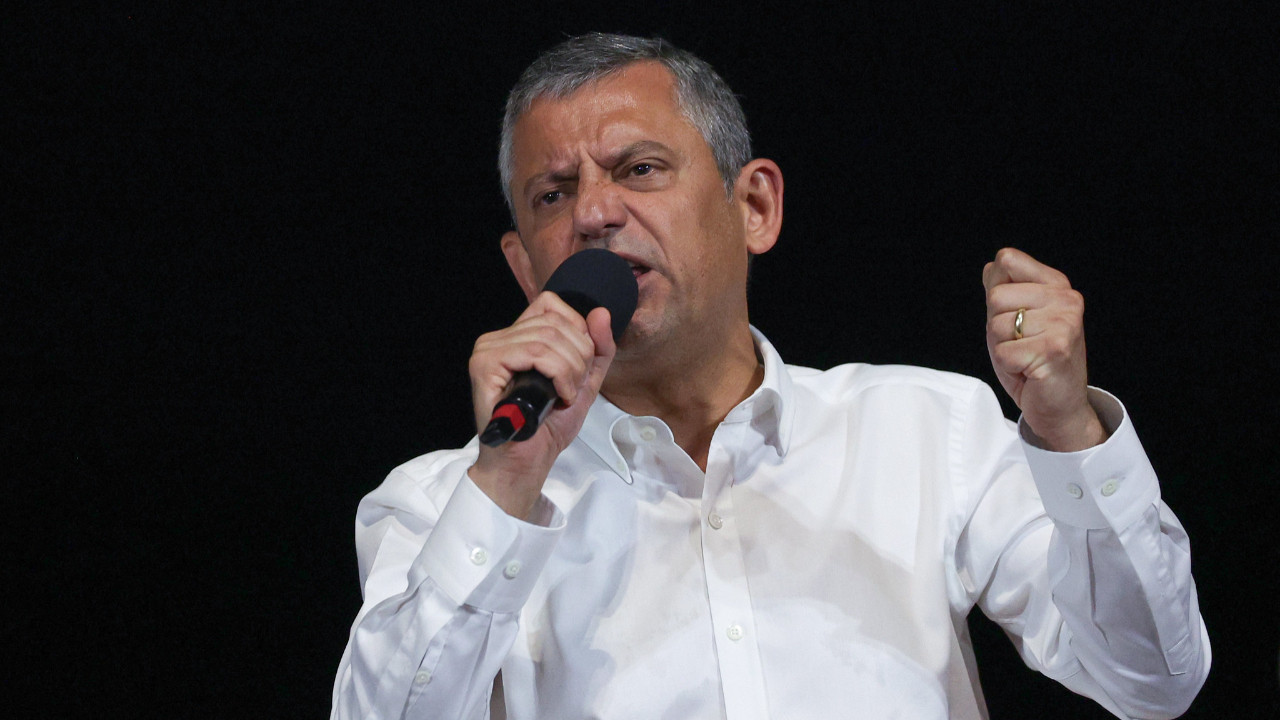
Özel dismissed the comments outright. “What are you even talking about?” he asked, visibly agitated. “He speaks of tribes, villages, sects. Clearly, he doesn’t understand Türkiye. In this country, all religions and all sects live side by side — in Hatay, in İstanbul, and across all four corners of the land.”
This rhetorical rejection taps into a deeply rooted national sentiment: Türkiye, despite its diversity, has been structured under a single, unifying republic since its foundation. Özel accused the ambassador of attempting to frame Türkiye through outdated and divisive lenses.
Defending the Foundations of the Republic
Özel’s defense of the Republic was both emotional and ideological. “The people who founded this nation did so with the vision that all ethnic groups and all beliefs would live under one roof. That roof is the Republic,” he declared.
He acknowledged that Türkiye is not without flaws. “Yes, there are shortcomings, injustices, and systemic inequalities,” he said, “but our mission is to ensure material, moral, and political equality for all who live here.”
This framing of the Republic as an inclusive and unifying system was a direct rebuke to those who imply that Türkiye needs to return to a more segmented or sect-based model. Özel was especially emphatic in opposing any suggestions that undermine national unity.
Warnings Against Undermining Republican Ideals
Özel did not stop at diplomatic criticism. He accused both domestic and foreign actors of attempting to weaken Türkiye’s foundational institutions. “They say they will cut off the arms of the Republic. We say, if a single nail is driven into the columns of the Republic, then shame on us,” he exclaimed.
This metaphor of the Republic’s “columns” being under attack was designed to resonate with a public that has long associated the founding principles of the Republic — secularism, national sovereignty, and unity — with its very survival as a state.
Özel’s remarks extended beyond symbolic rhetoric. He took aim directly at President Erdoğan and those who, in his view, remain silent in the face of such dangerous narratives. “Let the ambassador hear this. Let the people who placed him there hear it. Let Erdoğan and those who read those words hear it. And let those who stay silent in the face of these statements hear it too,” he warned.
The Role of the CHP as a Watchdog of Democracy
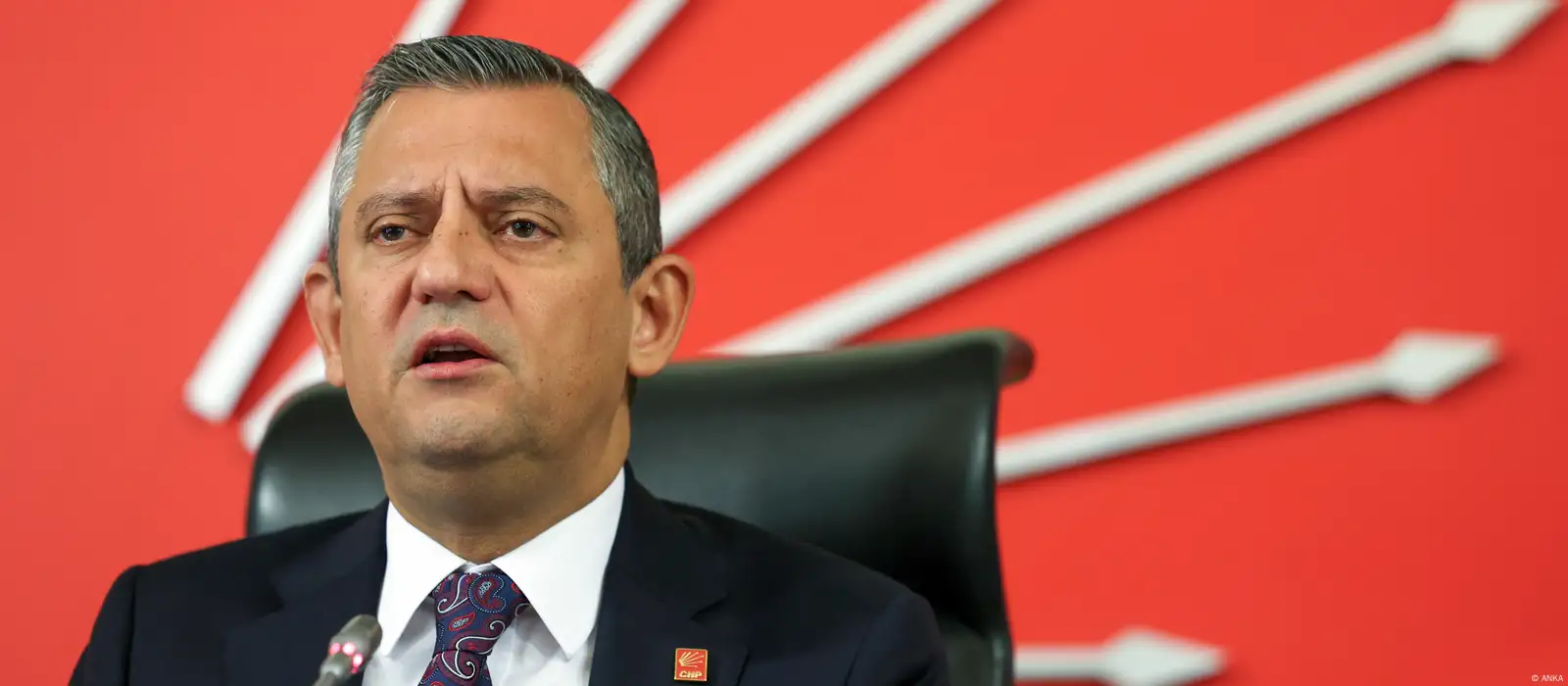
Özel also took the opportunity to highlight CHP’s role as a critical force within the legislative system. Referring to parliamentary commissions, he said: “If the CHP is not involved in a commission, be wary of that commission.”
This comment reflected the party’s broader claim of being the main guardian of democratic norms, transparency, and public accountability in Türkiye’s political system. It was a call to citizens to be vigilant and to question the legitimacy of governmental processes that exclude opposition voices.
Diplomatic Fallout and Political Reactions
While Özel’s comments were aimed directly at the US Ambassador, they carry broader implications for Türkiye’s foreign relations. In recent years, tensions have periodically flared between Ankara and Western diplomats over issues including freedom of expression, judicial independence, and the handling of internal dissent.
The ambassador’s comments, whether intended as academic or reflective, struck a political nerve. Türkiye’s political elite across party lines have historically rejected any foreign commentary perceived as interventionist or disrespectful to the country’s sovereignty and secular identity.
In this context, Özel’s reaction can also be seen as a reaffirmation of Türkiye’s insistence on defining its political structure and societal values on its own terms — without external prescription.
Historical Sensitivities in a Modern Political Arena
The mention of the “millet system” — a framework used during the Ottoman Empire to manage diverse religious communities — carries significant historical baggage in Türkiye. Although it allowed limited autonomy for minority groups, it is often criticized today for institutionalizing sectarian divisions and reinforcing inequality.
In contrast, the founding of the Republic in 1923 is widely celebrated as a moment when the nation moved away from religious rule and embraced secular, civic-based governance. Any attempt to draw parallels between modern Türkiye and its imperial past is likely to trigger political and public backlash.
Özel’s speech was steeped in this historical awareness. He positioned himself and his party as defenders of a modern, pluralistic Türkiye — one where rights are based not on faith or ethnicity but on citizenship and shared democratic values.
Unity and Inclusion as Political Pillars
One of the strongest themes in Özel’s speech was the emphasis on national unity through inclusion. “We will walk shoulder to shoulder to ensure that everyone in this country is equal,” he promised.
This message speaks to a growing segment of the electorate that is weary of polarization and seeks a more cohesive national identity. For Özel and the CHP, reaffirming the Republic’s inclusive promise is not only a political necessity — it is a foundational belief.
Domestic Stakes and Global Watchers
As Türkiye prepares for the next electoral cycle, moments like these are increasingly scrutinized by international observers and voters alike. Özel’s message wasn’t only directed at foreign diplomats but also at Turkish citizens who are navigating economic hardship, social tension, and political uncertainty.
By framing the conversation around national dignity and shared republican values, Özel is working to galvanize support from across the political spectrum — particularly those who feel left behind by current power dynamics.
Conclusion Without Saying It
Though Özel didn’t outline specific foreign policy proposals, his remarks serve as a cultural and political line in the sand. They affirm Türkiye’s right to define itself, push back against external narratives, and resist any effort — diplomatic or otherwise — to fracture its internal harmony.
This may just be a speech from the opposition, but in Türkiye’s ever-charged political environment, it is also a warning and a declaration of readiness to defend the Republic at all costs.