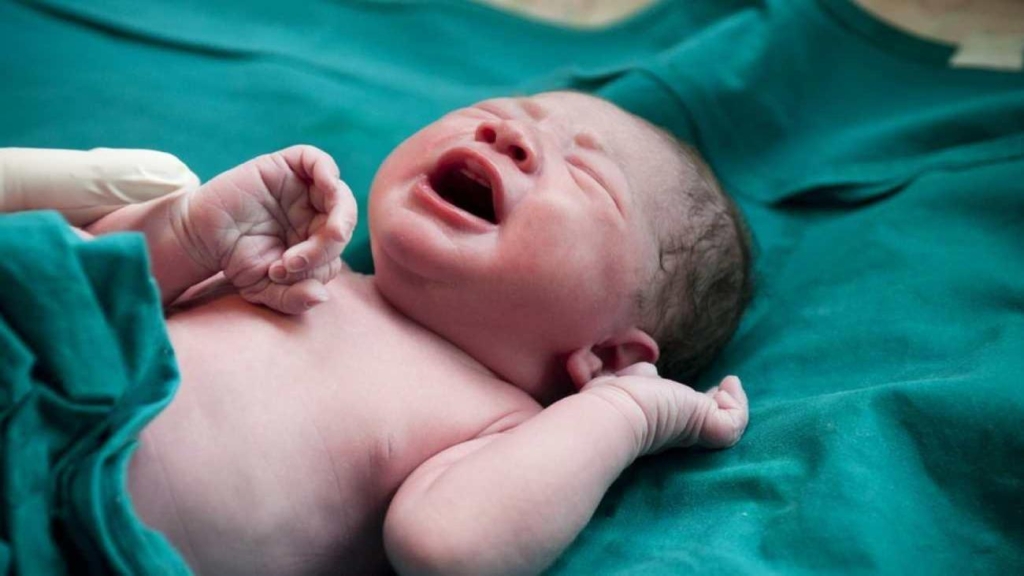

For many expectant mothers, the question of “How will I give birth?” is one of the most emotionally charged and significant decisions in their journey to motherhood. As medical advancements continue to offer more options for childbirth, understanding these methods and making informed choices has become essential for the safety and well-being of both mother and baby.
Dr. Fatma Ölmez, an Obstetrics and Gynecology Specialist at Türkiye’s Medipol Health Group, highlights the importance of individualized care and emphasizes that the most critical factor is not the type of birth, but its safety and success. In her words, “Normal birth is nature’s gift to women, but in some situations, cesarean section can be a life-saving option.”

Normal Birth Is a Natural Miracle
Dr. Ölmez stresses that vaginal delivery is a physiological process, designed by nature itself. “Normal birth happens when the uterus contracts and the cervix dilates, allowing the baby to pass through the birth canal,” she explains. When conditions are favorable, both mother and baby benefit from this natural process.
Despite the fact that labor can be painful, it is also manageable. “Labor pain is a necessary physiological event that facilitates birth,” Dr. Ölmez says. “We can make this process easier and more comfortable through breathing techniques, pain management strategies, and the use of epidural anesthesia.”
Cesarean Section as a Critical Option
While natural birth is the ideal physiological path, Dr. Ölmez makes it clear that cesarean delivery should not be seen as a failure. “In cases where maternal or fetal health is at risk, cesarean is not only appropriate — it is essential,” she says.
Conditions such as high blood pressure, severe bleeding, or complications with fetal position may require surgical intervention. “Cesarean is not the enemy,” she states. “It’s a medical tool that, when used appropriately, saves lives.”
She also notes that cesarean does not necessarily prevent future vaginal births. “With proper spacing and monitoring, women can deliver vaginally after cesarean. We recommend waiting at least 1.5 to 2 years before attempting a natural birth to allow full healing of the uterine scar.”
Timing Between Births Is Crucial
For mothers considering multiple pregnancies, Dr. Ölmez advises patience and careful planning. “To protect maternal health and ensure proper fetal development, the ideal interval between two pregnancies is 2 to 3 years,” she says.
This time frame allows the body to recover from physical and emotional strain while giving the next baby a more stable gestational environment. Rushing into a new pregnancy before the body is ready can increase the risk of complications such as preterm birth, uterine rupture (especially after a cesarean), or low birth weight.
Not Every Cesarean Requires a Repeat
A common misconception among mothers is that one cesarean guarantees future surgical births. Dr. Ölmez clarifies that this is not always the case. “If the previous cesarean was performed due to temporary conditions — such as breech position or fetal distress — and the current pregnancy is progressing normally, vaginal birth after cesarean (VBAC) can be considered.”
However, she cautions that such decisions should always be made under the supervision of an experienced obstetrician. Close monitoring during labor is essential to prevent complications related to previous surgical scars.
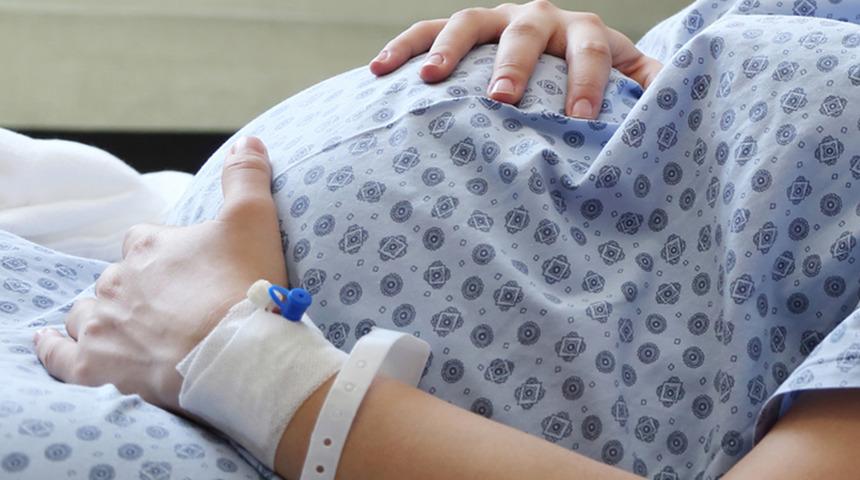
Supporting Women Through the Birth Experience
Beyond medical concerns, birth is also a transformative emotional journey for women. “Childbirth is not only the act of bringing a new life into the world. It marks the moment a woman steps into motherhood,” says Dr. Ölmez.
Because of this, preparing mothers mentally and physically is as important as any medical procedure. “Education, counseling, and prenatal preparation help mothers approach birth with confidence rather than fear,” she explains.
Dr. Ölmez also reminds women of their inherent capability. “A woman’s body is built for childbirth. As doctors, we are here to support that natural process, not interfere with it unnecessarily. With the right guidance, women can manage their labor effectively and experience the empowering journey of birth.”
Medical Developments Improve Comfort and Safety
In recent years, advancements in obstetric care have expanded the ways in which birth can be supported. From personalized birth plans to better anesthesia methods and neonatal care, expecting mothers today have access to more options than ever before.
Nevertheless, Dr. Ölmez emphasizes that the focus should not shift entirely to method. “Our priority is not whether the birth is normal or cesarean, but whether it is healthy,” she says. “The best birth is the one where mother and baby are safe.”
Building Trust Between Doctor and Mother
Another cornerstone of positive birth outcomes is the bond between healthcare providers and expectant mothers. “Trust allows women to express concerns, ask questions, and feel secure in their choices,” says Dr. Ölmez.
She encourages women to seek medical care at experienced facilities and to work closely with professionals who provide evidence-based guidance without pressure. Open communication, transparency, and empathy are critical elements of effective maternal care.
Empowering Women with Knowledge
Education is a powerful tool in reducing fear and uncertainty about childbirth. Through prenatal classes, medical consultations, and peer support groups, women can better understand the stages of labor, pain relief options, postpartum recovery, and how to prepare emotionally for motherhood.
Dr. Ölmez believes that awareness leads to empowerment. “When women understand what is happening in their bodies and why, they can take ownership of the process and make decisions that align with their needs.”
A Healthy Birth Is the Ultimate Goal
In closing, Dr. Ölmez shares a message for all mothers-to-be. “It doesn’t matter if your baby is born through natural delivery or cesarean. What matters is that both of you arrive safely. Let’s move past the stigma surrounding birth methods and focus on what truly counts — a healthy, joyful beginning.”
As Türkiye continues to advance in maternal health services, experts like Dr. Ölmez are working to ensure that every woman is supported, respected, and informed on her path to motherhood.