
In a strategic move to support the stabilization and reconstruction of Syria following the collapse of the Baath regime in December 2024, Türkiye has significantly advanced its energy cooperation with its southern neighbor. The two countries, long linked by geography and shared infrastructure, are now reconnecting through critical energy lines, aiming to restore daily life and improve basic services in war-torn areas.
From natural gas exports to electricity transmission projects, Türkiye is positioning itself as a central player in reviving Syria’s devastated energy infrastructure. The efforts are also part of a broader geopolitical strategy to establish energy corridors and strengthen regional partnerships involving key suppliers like Azerbaijan and Qatar.
Gas Exports Begin via Kilis-Halep Pipeline
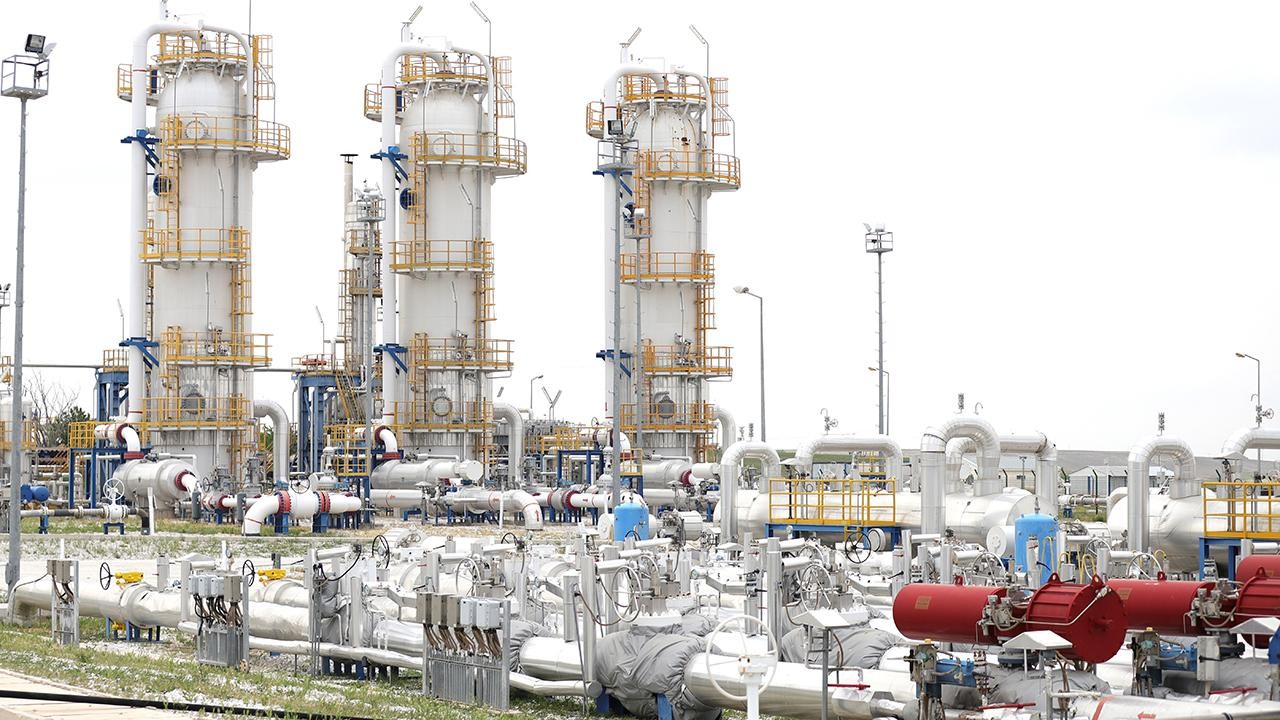
A major milestone was achieved on May 21 with the completion of a natural gas pipeline connection from Kilis in southeastern Türkiye to Aleppo (Halep) in Syria. The line, capable of transporting up to 6 million cubic meters of gas per day, is set to begin exporting gas on August 2.
With an annual capacity of 2 billion cubic meters, the pipeline will serve as a crucial supply route for Syria’s recovering energy grid. The gas transported through this route will be used primarily for electricity generation at a refurbished natural gas power plant in Aleppo.
Electricity Production in Syria Expected to Double
According to projections, the imported natural gas will produce approximately 1200 megawatts of electricity. This capacity will nearly double Syria’s current electricity output, which has remained critically low since the onset of civil war in 2011.
In many Syrian regions, electricity is currently available for only three to four hours per day. With Türkiye’s support, this daily supply is expected to increase to ten hours, offering a tangible improvement in living conditions for millions of residents.
Türkiye, Azerbaijan, and Qatar Join Forces on Energy Supply
On July 30, Türkiye’s Minister of Energy and Natural Resources, Alparslan Bayraktar, announced a trilateral cooperation involving Türkiye, Azerbaijan, and Qatar to support natural gas exports to Syria. In this framework, Azerbaijani gas delivered to Türkiye will be redirected to Syria via the Kilis-Aleppo pipeline.
The arrangement strengthens Türkiye’s role as an energy transit hub and adds a humanitarian dimension to its foreign policy. It also demonstrates Ankara’s intent to shape post-conflict regional stability through infrastructure-based diplomacy.
Reactivation of the Birecik-Aleppo Electricity Line
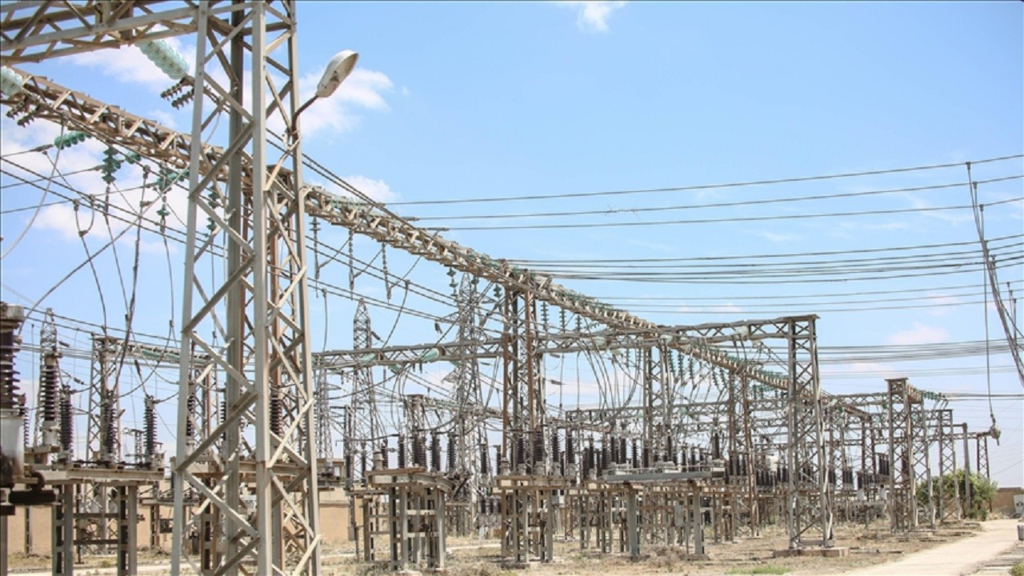
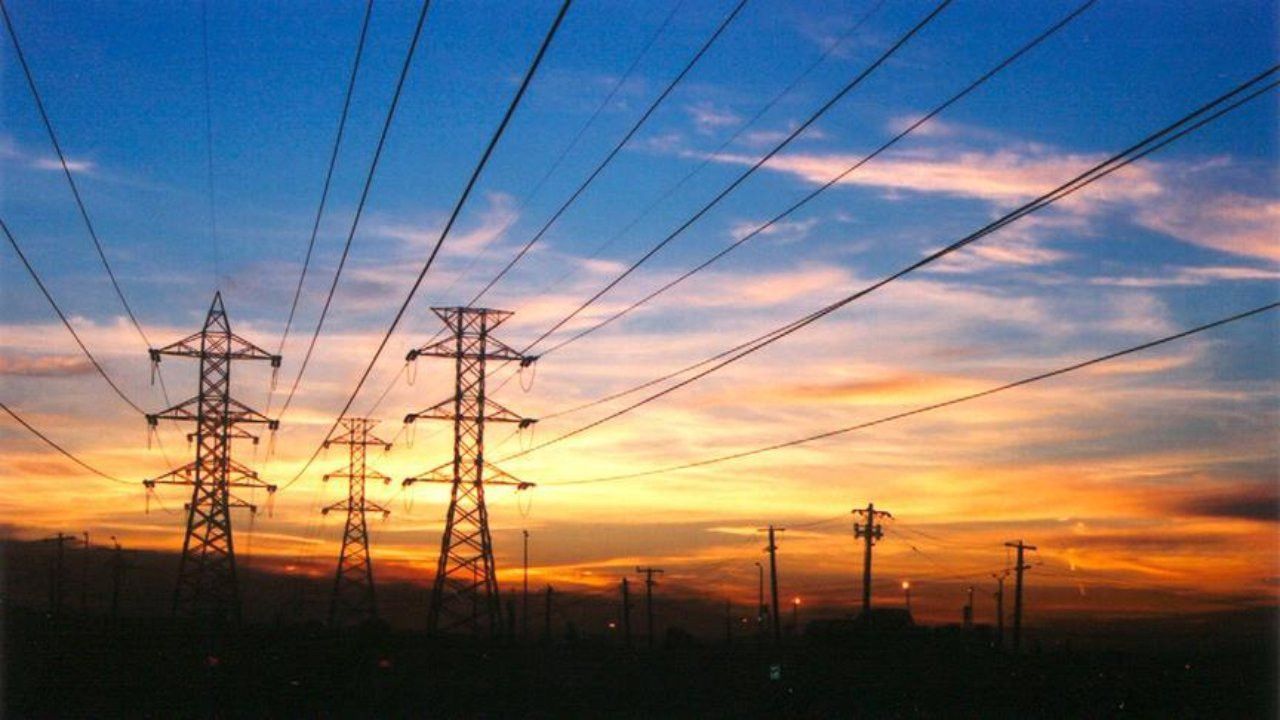
In addition to gas exports, Türkiye is preparing to increase its electricity exports to northern Syria through existing and upgraded infrastructure. One of the key projects involves reactivating the Birecik-Aleppo high-voltage power line, which previously had a capacity of around 500 megawatts before it was rendered inoperable during the war.
Minister Bayraktar confirmed that once the Birecik-Aleppo line is fully restored, Türkiye will be able to transmit up to 900 megawatts of electricity to Syria, including the 280 megawatts already being sent via other lines. This would be sufficient to meet the energy needs of approximately 1.6 million Syrian households.
Restoring Infrastructure Damaged by War
Syria’s energy infrastructure has suffered extensive damage since the outbreak of civil war in 2011. Power plants, gas facilities, transmission lines, and distribution networks were either destroyed or fell into disrepair due to years of conflict and neglect. As a result, millions of Syrians have lived with unreliable electricity and limited access to essential services.
The revival of gas and electricity flows from Türkiye marks a new chapter in reconstruction efforts, particularly in Aleppo and other areas in northern Syria that remain economically and administratively fragile. These initiatives not only help address immediate energy shortages but also pave the way for longer-term redevelopment.
Türkiye’s Role in Regional Energy Diplomacy
Türkiye’s latest moves in Syria reflect a broader pattern of using energy diplomacy to influence regional dynamics. By connecting Syria to its energy infrastructure and acting as a corridor for Azerbaijani and Qatari gas, Türkiye is solidifying its position as an indispensable player in the Middle East’s post-conflict reconstruction process.
This strategy serves multiple objectives:
Humanitarian Support: Improving access to energy enhances quality of life and supports critical sectors like healthcare, education, and water treatment.
Economic Influence: Restoring power infrastructure facilitates local trade, industrial activity, and employment opportunities.
Security Cooperation: Stabilizing northern Syria through economic means reduces migration pressure and cross-border instability.
Energy Corridor Integration: Türkiye expands its influence as a regional energy hub connecting Europe, the Caucasus, and the Middle East.
Challenges and Future Outlook
While the initiatives are promising, there are still obstacles. The political situation in Syria remains complex, with multiple actors vying for control and influence. Ensuring the security of infrastructure, coordinating cross-border logistics, and maintaining transparency in resource allocation will be crucial for sustained success.
Moreover, long-term success depends on broader reconstruction efforts, governance reforms, and inclusive economic development within Syria. Energy alone cannot stabilize a country, but it can serve as a critical foundation upon which peace and prosperity can be built.
Conclusion without a Heading
Türkiye’s commitment to rebuilding Syria’s energy sector is a bold and strategic step, combining humanitarian assistance with geopolitical foresight. By repairing gas pipelines, reviving power lines, and engaging in multilateral cooperation, Türkiye is not only helping Syria recover but also enhancing its own regional standing. As electricity and natural gas once again flow southward across the border, the potential for deeper cooperation and lasting stability becomes more tangible.