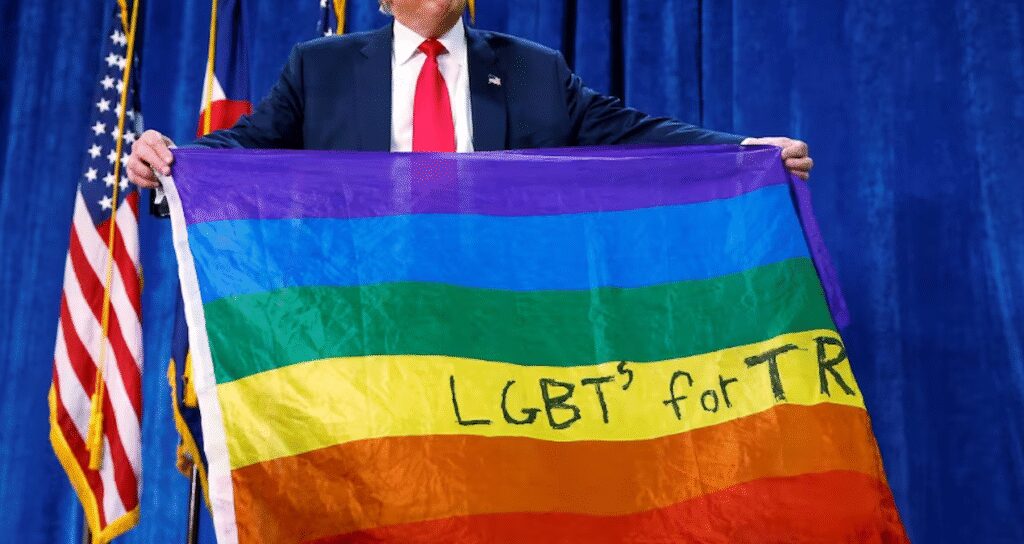

Former U.S. President Donald Trump has reignited global debate with his latest comments targeting transgender athletes. During a White House signing ceremony, Trump stated that transgender competitors seeking to participate in the 2028 Los Angeles Olympics will be subject to “strong testing” to determine their eligibility.
“If the test results don’t align, they won’t be in the Olympics,” Trump said, adding, “The United States will not allow men to steal women’s awards in the 2028 Games.”
His remarks follow a presidential executive order he previously signed, which restricts the participation of transgender athletes in women’s sports. This policy defines gender strictly on a biological basis and warns that federal funding may be withdrawn from schools that permit trans athletes in women’s competitions.
A Controversial Position with Far-Reaching Implications
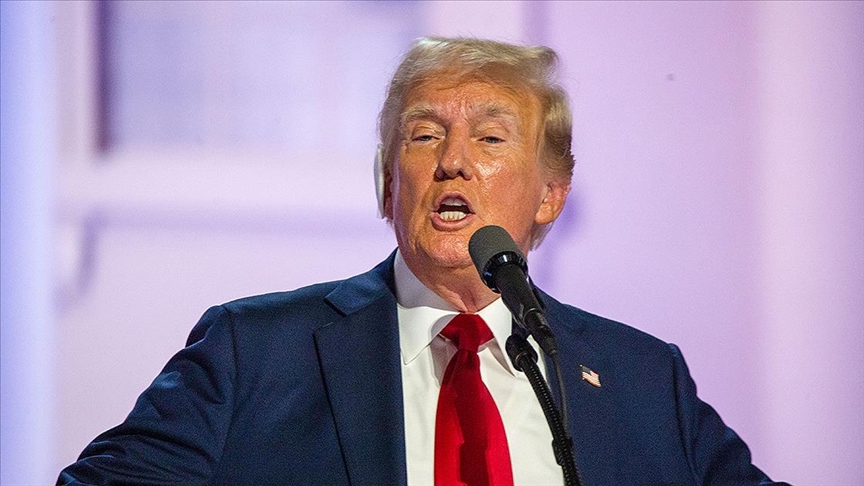
Trump’s declaration has sent ripples across the international sports and human rights communities. Framing his policy as a defense of “fair play” in women’s sports, he claims that transgender women (assigned male at birth) possess physical advantages that undermine competition integrity.
Critics argue this approach is exclusionary and reinforces harmful stereotypes. Human rights advocates have condemned the policy as discriminatory and legally questionable, especially given the International Olympic Committee’s evolving stance on inclusion.
Understanding the 2028 Olympics Context
The 2028 Summer Olympics will take place in Los Angeles, marking the return of the Games to the United States for the first time since Atlanta 1996. Trump’s comments tie directly into broader political and cultural debates in the U.S. around gender identity, sports fairness, and the role of federal authority in shaping athletic policies.
Although Trump is no longer in office, his remarks reflect a strong political stance that aligns with segments of the American conservative base. If re-elected or if similar policies are adopted by future administrations, the implications for athlete eligibility could be profound.
The Executive Order and Its Enforcement Mechanisms
Trump’s earlier executive order introduces federal penalties for schools and athletic institutions that allow transgender women to compete in women’s events. Specifically, any institution receiving federal funds must comply with this policy or risk losing financial support.
The order asserts that there are “only two biological sexes” and that any deviation from this understanding cannot be legally or scientifically recognized under federal law.
Legal analysts note that such sweeping federal interpretations may face strong resistance in the courts, especially as states and international bodies adopt more nuanced and inclusive standards.
Scientific and Ethical Challenges to the Testing Mandate
The proposal for “strong testing” has raised both ethical and scientific concerns. Experts warn that developing standardized, fair, and non-invasive testing for gender identity or physical traits is not only scientifically complex but also fraught with risks of violating human rights.
Past experiences with hormone testing and chromosomal analysis have shown that these procedures can be deeply humiliating, inaccurate, and discriminatory. Critics argue that relying on such tests could traumatize athletes and deter participation altogether.
Moreover, there is no universal scientific consensus that transgender women inherently possess unfair advantages, especially when they undergo hormone therapy and meet established performance criteria.

The IOC’s Current Policy and Potential Conflict
The International Olympic Committee (IOC) currently allows trans athletes to compete under specific guidelines. In recent years, the IOC has moved away from rigid testosterone thresholds and instead encourages each sport’s federation to determine fairness based on context.
Trump’s proposal—if enacted—would directly challenge the IOC’s framework and could create diplomatic tension between the United States and international sports bodies.
Any unilateral effort by the U.S. to bar trans athletes from Olympic participation could risk sanctions or even jeopardize elements of the country’s hosting duties for the 2028 Games.
Political and Cultural Backlash
Trump’s announcement is likely to deepen polarization in American politics. Advocates for women’s sports may support the move, citing concerns over physical disparities, while LGBTQ+ organizations have already begun mobilizing in opposition, labeling the policy “a dangerous setback for inclusion and dignity.”
Social media platforms have seen trending hashtags both in favor and against the proposed measures. Public figures from both sides of the aisle have weighed in, with athletes, scientists, and legal experts contributing to a growing chorus of opinions.
Global Reactions and Human Rights Concerns
International observers have expressed concern that the policy signals a growing trend of institutionalized transphobia. Human Rights Watch, Amnesty International, and several UN officials have criticized the concept of compulsory testing as a breach of individual privacy and bodily autonomy.
European governments and sports organizations are also monitoring developments closely, especially given that the Olympics are meant to represent universal values of equality, respect, and non-discrimination.
What This Means for Athletes and Organizers
Athletes who may be impacted by this policy now face uncertainty regarding their future eligibility. Organizers of the 2028 Games, including the Los Angeles Local Organizing Committee, may also have to navigate potential legal disputes, public backlash, and diplomatic challenges.
Any forced exclusion of trans athletes could damage the reputation of the Games and contradict the Olympic Charter’s principle of inclusion.
A Flashpoint in the Global Sports Landscape
Trump’s comments and prior executive actions place the U.S. at the heart of a global conversation about gender, fairness, and identity in sport. As debates continue, the challenge will be to find policies that balance inclusivity, fairness, and scientific validity—without marginalizing vulnerable populations.
The road to the 2028 Olympics just became more politically charged, and the world will be watching how the U.S. navigates the line between sovereignty and international sporting values.