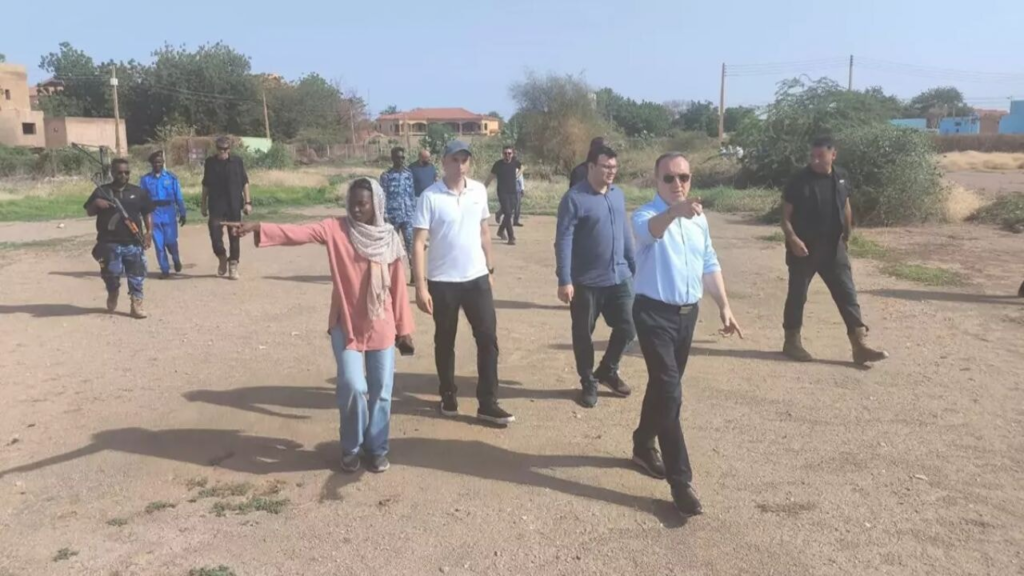

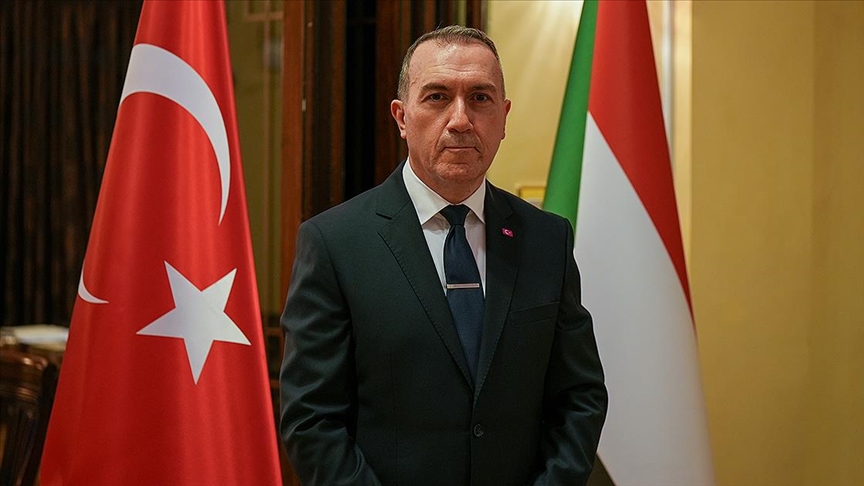
Türkiye’s Ambassador to Sudan, Fatih Yıldız, made his first visit to the Sudanese capital of Hartum since officially assuming his post in August 2024. Traveling overland between August 3–5, 2025, Yıldız engaged in a series of diplomatic and institutional inspections across both Hartum and the Nile River State, offering critical insight into the current condition of Türkiye’s assets in the war-affected region.
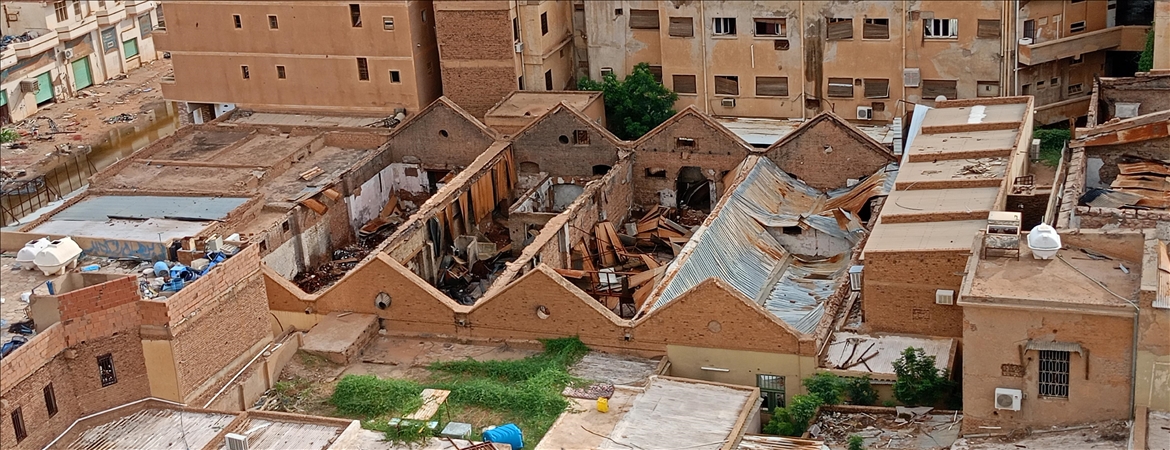
His visit carries both symbolic and strategic weight. Hartum, which fell under Sudanese military control in March 2025 following prolonged conflict, bears deep scars of destruction. Ambassador Yıldız’s presence marks a renewed commitment by Türkiye to monitor, assist, and support Sudan during its long and arduous journey toward recovery.
Assessing Damage to Türkiye’s Diplomatic and Cultural Presence
Speaking to Anadolu Agency, Yıldız emphasized that the primary goal of his visit was to assess the physical condition of Türkiye’s evacuated diplomatic and cultural establishments. Among the locations he toured were the Embassy of the Republic of Türkiye, the ambassador’s official residence, the Turkish Cooperation and Coordination Agency (TİKA) office, the Yunus Emre Institute (YEE) cultural center, the Türkiye Maarif Foundation (TMV) school, and several consular advisory offices.
The findings were sobering. Ambassador Yıldız noted that many of these structures had sustained damage amid the ongoing turmoil, mirroring the extensive destruction witnessed across the city. Infrastructure, he said, has taken a severe hit, leaving behind a fractured urban landscape.
A City in Ruin, But Not Without Hope
More than two years of persistent conflict have left Hartum in a fragile state. As Ambassador Yıldız toured the battered capital, he acknowledged the extensive wear and tear the city has suffered. Nevertheless, his tone was one of resilience and forward-looking optimism.
Meeting with Hartum Governor Ahmed Osman Hamza, Yıldız stressed that while physical damage can be repaired over time, the greater challenge lies in reclaiming what has been lost—community stability, institutional functionality, and human capital. “The buildings can be rebuilt,” he said, “but the will to restore what truly matters must guide every step forward.”
Governor Hamza echoed this sentiment, appreciating Türkiye’s ongoing attention and presence during one of Sudan’s most critical periods.
Türkiye’s Role in Sudan’s Rebirth
Türkiye’s engagement in Sudan is not new, but Ambassador Yıldız’s visit underscores a revitalized diplomatic posture aimed at contributing to Sudan’s reconstruction. He reaffirmed Türkiye’s readiness to stand beside Sudan throughout its rebuilding efforts, with particular emphasis on mobilizing Turkish contractors, investors, and industrial partners.
“Turkish businesses are prepared to return,” he stated, noting that their revival will contribute to job creation, market stability, and overall economic revitalization in Hartum and surrounding regions.
The ambassador’s focus extended beyond rebuilding walls to rebuilding livelihoods. The involvement of Turkish enterprises in Sudan’s recovery is expected to inject much-needed momentum into both local and bilateral economic dynamics.
Extending the Outreach to the Nile River State
On his return journey, Ambassador Yıldız also visited the Nile River State, where he met with Governor Muhammed el-Bedevi Abdulmacid and senior provincial ministers. The discussions held in the state capital of ed-Damer revolved around expanding bilateral cooperation in sectors such as agriculture, trade, and infrastructure.
Yıldız described the Nile River State as a region of strategic significance in Türkiye–Sudan relations. With existing commercial ties already in place, both sides explored ways to deepen cooperation and foster long-term investments.
By tapping into Türkiye’s agricultural technology and experience, officials see an opportunity to turn the Nile River State into a hub for sustainable food production and economic development.
Strengthening Foundations for Long-Term Partnership
The ambassador’s meetings and inspections were more than just ceremonial gestures—they served to gather real-time information, strengthen institutional ties, and lay the groundwork for future collaboration.
Discussions in both Hartum and ed-Damer focused on actionable steps: improving logistical coordination, rebuilding cultural institutions, supporting humanitarian initiatives, and paving the way for infrastructure projects that align with Sudan’s national priorities.
Ambassador Yıldız’s detailed observations and subsequent briefings to Ankara will likely play a key role in shaping Türkiye’s next moves in Sudan. His visit reaffirms the nation’s approach that diplomacy is not only about treaties and negotiations—it is also about being physically present, especially in times of crisis.
Diplomacy Amid Crisis
Yıldız’s journey across war-affected regions was not without risk. Traveling by land through areas still grappling with conflict underscores Türkiye’s commitment to active diplomacy. It also reflects a nuanced understanding of on-the-ground realities, which is essential when planning strategic aid and engagement.
By choosing to visit not just the capital but also outlying regions, the ambassador demonstrated an inclusive diplomatic approach—recognizing that recovery must encompass more than just the political centers.
The Way Forward for Türkiye-Sudan Relations
As Sudan continues to navigate a post-conflict reality, Türkiye’s long-standing ties with the nation offer a blueprint for cooperation rooted in mutual respect and shared goals. Educational institutions, cultural diplomacy, technical support, and private sector collaboration remain at the core of this relationship.
The presence of TİKA, YEE, and TMV in Sudan reflects Türkiye’s soft power strategy, which has proved particularly impactful in Africa. Rehabilitating these institutions could also contribute to restoring social services and cultural resilience in a fractured society.
From diplomacy to development, Türkiye is positioning itself not just as a partner, but as an active participant in Sudan’s recovery. Ambassador Yıldız’s visit may well mark the beginning of a renewed phase in bilateral relations, where solidarity translates into actionable support and meaningful reconstruction.