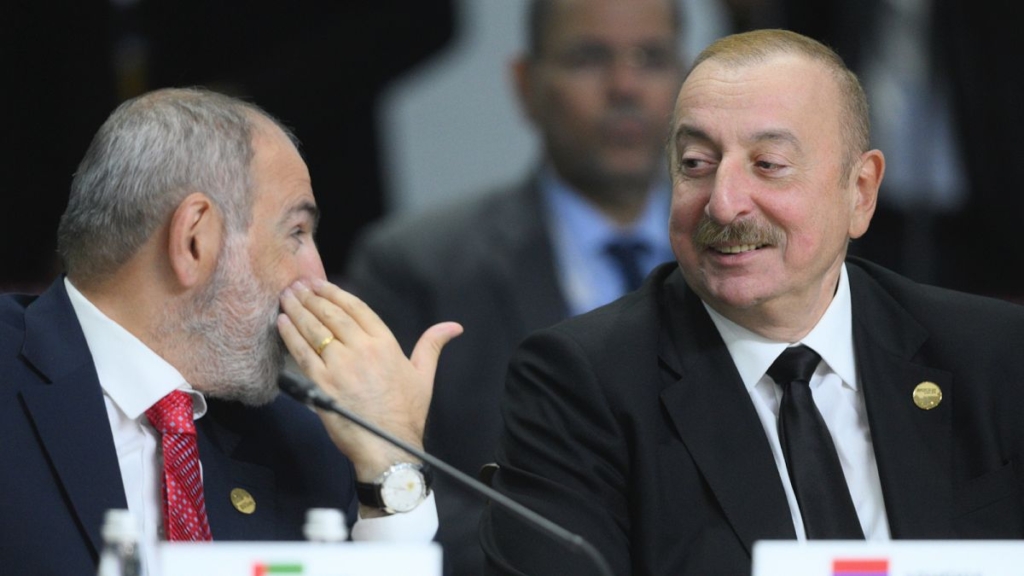

In a bold diplomatic move that could reshape the geopolitical landscape of the South Caucasus, former US President Donald Trump is hosting Armenian Prime Minister Nikol Pashinyan and Azerbaijani President Ilham Aliyev at the White House this Friday. The summit, which Trump has already hailed as a “historic peace summit,” marks the first time the long-feuding neighbors may officially settle their conflict far from Moscow — and under Washington’s auspices.
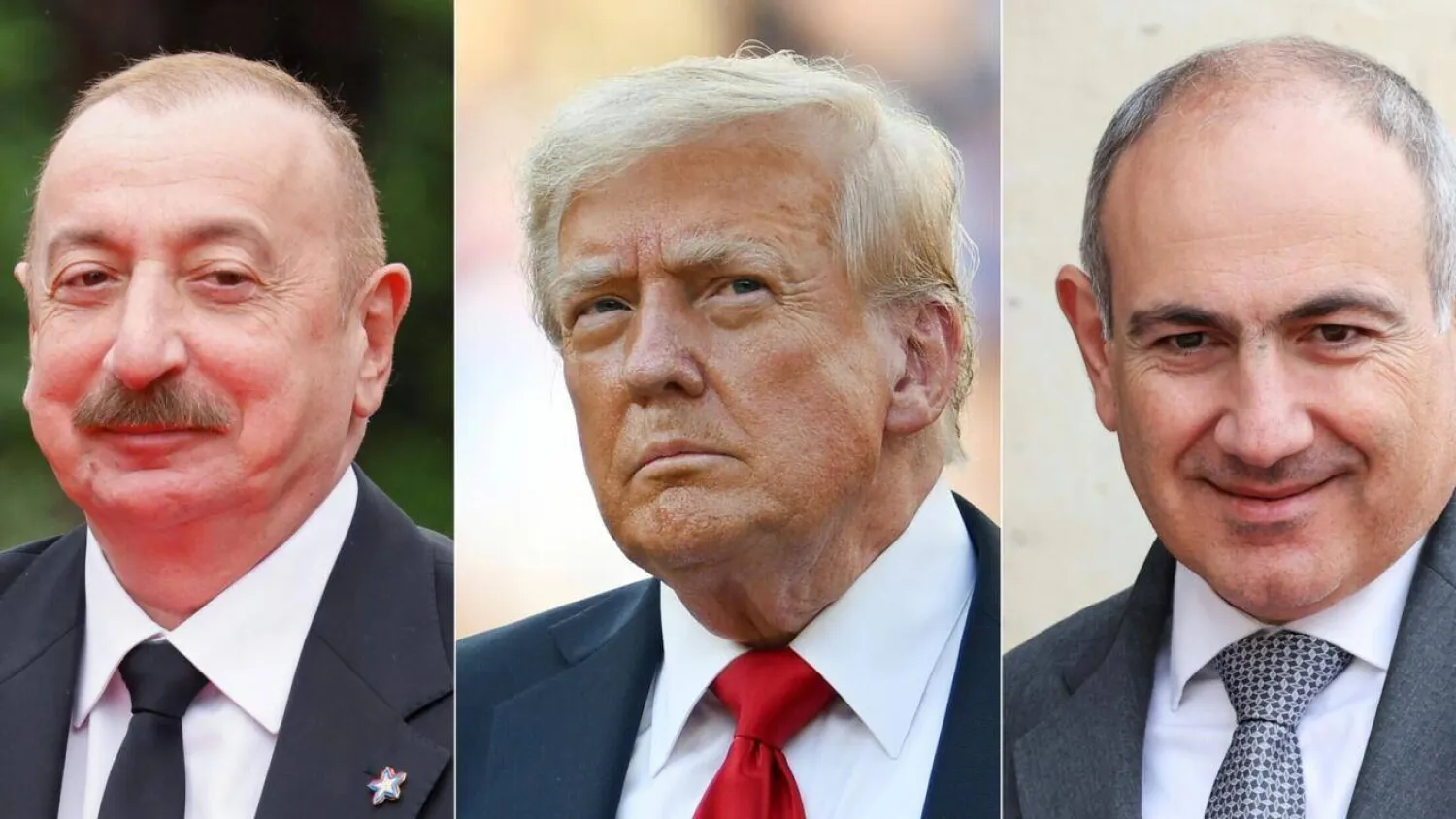
From Endless War to the Edge of Peace
For nearly four decades, Armenia and Azerbaijan have been locked in an unresolved conflict centered around the Nagorno-Karabakh region. This territorial dispute has resulted in tens of thousands of deaths, multiple wars, and sustained political hostility. While international mediators — including Russia, France, and the OSCE Minsk Group — have attempted to broker lasting peace in the past, a comprehensive resolution has remained elusive.
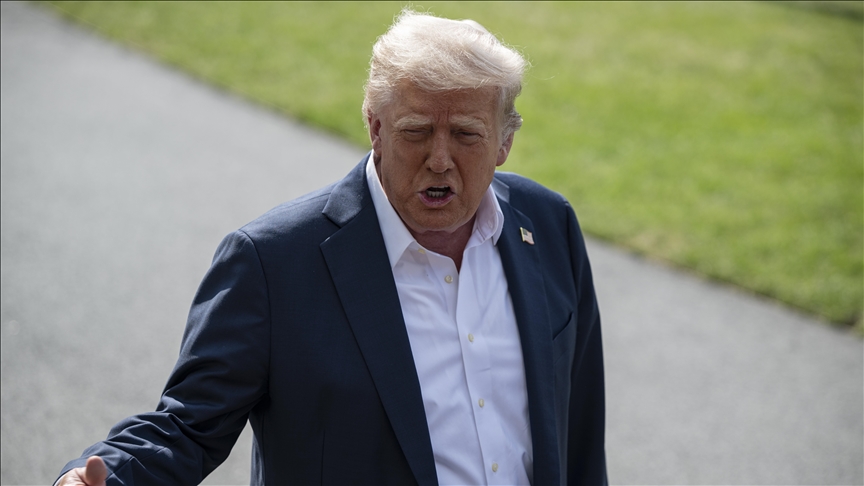
Trump took to his Truth Social platform ahead of the summit, writing,
“These two nations have been at war for many years, resulting in the deaths of thousands of people. Many Leaders have tried to end the War, with no success, until now.”
His statement reflects a level of confidence in the outcome of the talks — and underscores his desire to position himself and the US as key figures in conflict resolution at a time when global diplomacy is being redefined.
Shifting the Power Center Away from Moscow
Perhaps most striking about this summit is not only its timing but its symbolism. For decades, Moscow has positioned itself as the primary power broker in the post-Soviet space, particularly in the South Caucasus. Armenia, a long-time Russian ally, and Azerbaijan, a strategic partner with Moscow and Ankara, have both operated under the Kremlin’s regional umbrella — albeit with increasing unease in recent years.
By bringing the peace summit to Washington, and holding it under the banner of a former US president, both Yerevan and Baku are signaling a historic pivot. Their presence in the White House at a time when Russia faces growing international isolation due to its actions in Ukraine sends a powerful message: the South Caucasus may no longer be Moscow’s domain.
If successful, the summit would be a landmark shift in regional alignment — with Armenia and Azerbaijan moving toward a more Western-oriented diplomatic framework.
Bilateral Agreements and the Zangezur Corridor
According to White House aides, both leaders are expected to sign bilateral cooperation agreements with the United States, symbolizing a broader commitment to economic, security, and diplomatic engagement. But perhaps the most sensitive and potentially transformative item on the agenda is the Zangezur Corridor.
This proposed transport route would connect mainland Azerbaijan with its exclave of Nakhchivan — and through it, to Türkiye — by traversing southern Armenian territory. For Baku, the corridor represents a strategic lifeline, economically and geopolitically. For Yerevan, it raises existential questions about sovereignty and national security.
Negotiating the terms of this corridor — including sovereignty assurances, security guarantees, and infrastructure investment — will be critical to any durable peace accord.
A New Chapter in Trump’s Foreign Policy Playbook?
Though no longer in office, Trump’s hosting of this summit is likely to have broad implications. By attempting to broker one of the longest-standing unresolved conflicts in Eurasia, he is not only burnishing his credentials on the world stage but also redefining the role of American diplomacy in regions previously dominated by Russian influence.
With the Abu Dhabi talks earlier this month laying the groundwork for mutual understanding, this Washington summit may serve as the final bridge to a signed agreement. If successful, it could mark a historic end to hostilities — and affirm the US’s renewed capacity to lead peace processes in the 21st century.
Implications for Moscow and the Region
The timing of the meeting could hardly be more pointed. Trump’s self-imposed deadline for the Kremlin to agree to a ceasefire in another conflict coincides with the arrival of Armenia and Azerbaijan in Washington. The image of two former Soviet republics sitting in the White House — negotiating peace without Russian mediation — may be seen as a symbolic blow to President Vladimir Putin.
For the South Caucasus, this summit could open the door to greater integration with Western institutions, more robust trade and security partnerships, and a pathway toward long-term regional stability. However, the path remains fragile. The Zangezur Corridor, displaced communities, border demarcation, and mutual recognition of sovereignty all remain potential flashpoints.
Yet the very act of convening in Washington suggests that both sides may now be willing to look beyond past hostilities — and chart a new course, with new allies, for the future.