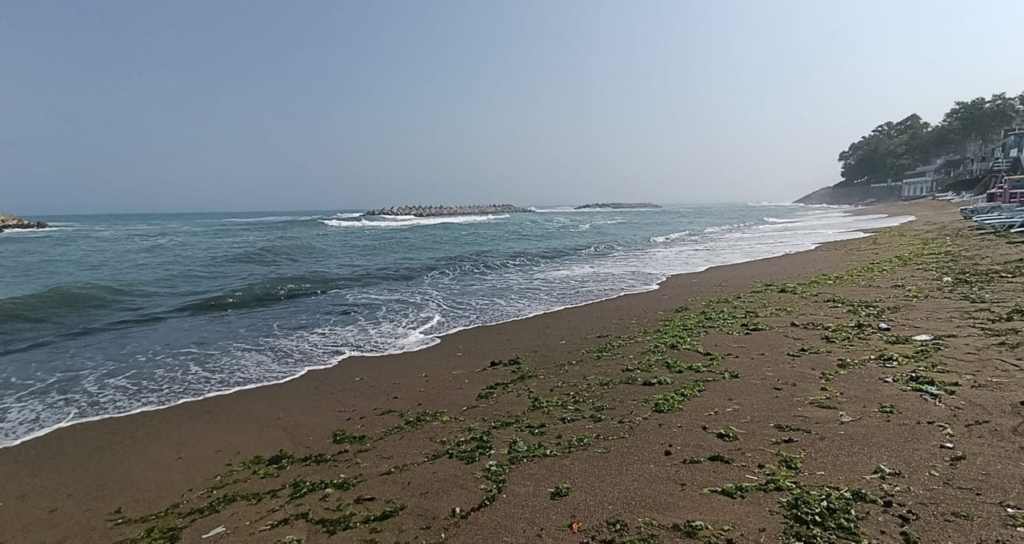

Authorities in multiple coastal districts of Türkiye have issued strict swimming bans due to dangerous rip currents and unfavorable weather conditions affecting the Karadeniz shoreline. The decision impacts residents and vacationers across Sakarya and Düzce provinces, where red flags now dominate the beaches, signaling a clear warning to stay out of the water.
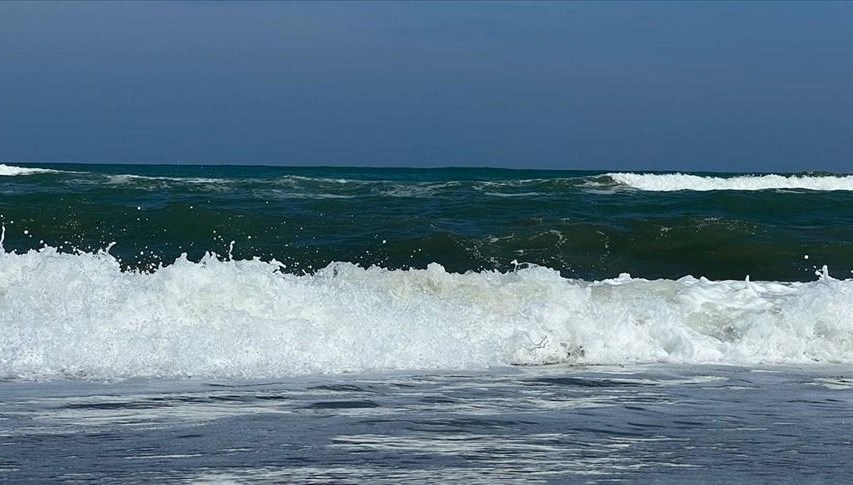
Rip Currents Strike Sakarya’s Northern Beaches
The northern coast of Sakarya, particularly the districts of Karasu, Kocaali, and Kaynarca, is currently experiencing strong waves and hazardous rip currents. These conditions have led local authorities to prohibit all swimming activities along the shoreline until further notice.
According to official statements from district governorates, the decision was taken in the interest of public safety following assessments of weather patterns and sea behavior in the region. Lifeguards assigned by the Sakarya Metropolitan Municipality have been patrolling the beaches and replacing standard beach safety flags with red ones, which universally indicate dangerous swimming conditions.
The warnings come during a period when thousands of locals and tourists typically flock to the Karadeniz coast to enjoy the warm summer season. However, this natural beauty hides a well-known danger: rip currents, which can swiftly pull even experienced swimmers far from shore.
What Are Rip Currents and Why Are They So Dangerous?
Rip currents—fast-moving channels of water that flow away from the shore—are one of the most underestimated dangers in open water swimming. Unlike crashing waves or storm surges, rip currents are often invisible from the surface and can catch swimmers by surprise. Once caught in a rip current, swimmers may panic or exhaust themselves trying to fight against it.
Emergency services and lifeguards in Türkiye’s coastal provinces have routinely issued public advisories about these currents, especially in Karadeniz regions where underwater geography makes them more prevalent. In the past, rip currents have been responsible for tragic drownings despite the presence of lifeguards and clear warning signs.
Düzce Joins Sakarya in Implementing Full Beach Closure
Neighboring Düzce province has also announced a complete ban on sea access in its popular Akçakoca district. A statement released by the local governorate confirmed that, due to ongoing adverse sea and weather conditions, all beaches and coastal areas in Akçakoca are closed to swimmers.
The statement emphasized the importance of public cooperation, urging residents and tourists to respect the ban for their own safety. “Due to the risk to life and safety, citizens are asked to refrain from entering the sea until conditions improve,” the announcement read.
Akçakoca, a major summer destination with a long stretch of beaches and family-friendly resorts, sees high visitor traffic during the warmer months. The temporary restrictions are expected to significantly impact beachgoers, but local officials stress that safety must remain the top priority.
Widespread Warnings and Coastal Monitoring
The joint efforts by district administrations and municipal teams across Sakarya and Düzce are being closely coordinated. Lifeguard teams, equipped with communication gear and rescue equipment, are monitoring the shoreline and issuing real-time warnings.
Beaches in affected areas have been outfitted with visual cues, including red flags, barrier tapes, and loudspeaker announcements to deter people from entering the water. Drones are also being used in some regions to monitor unauthorized swimming activity and to identify risk zones where currents appear strongest.
Tourist Awareness and Precautions
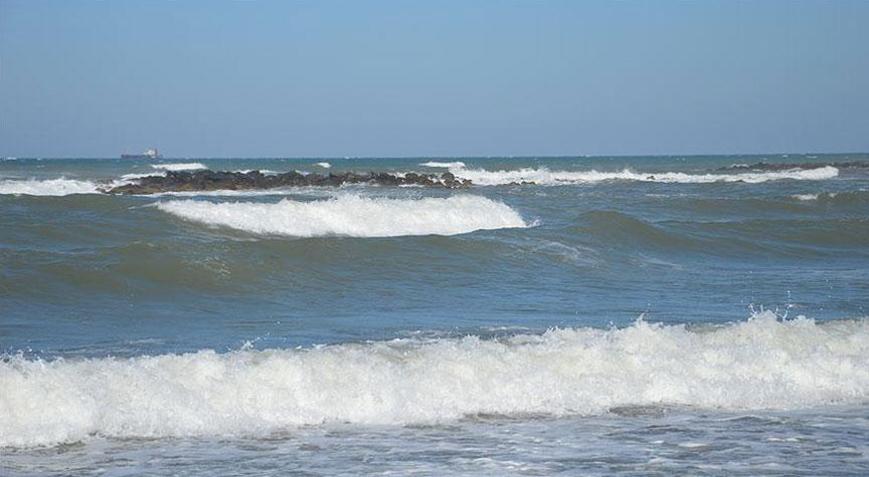
For tourists visiting the Karadeniz coast, the current restrictions may come as a disappointment, especially for those seeking a beach vacation. Local tourism boards and hotel managers have begun informing guests proactively, offering alternative activities such as nature hikes, historical site visits, and cultural tours.
Meanwhile, travel safety experts advise visitors to always pay close attention to local alerts and signage when visiting coastal destinations, especially in areas known for unpredictable sea conditions like the Karadeniz coast. Ignoring swimming bans or venturing into turbulent waters not only endangers the individual but also risks the lives of rescue teams who may be called into action.
Looking at the Weather Forecast
Meteorological data indicates that wind speeds and wave heights along the Karadeniz coast are expected to remain elevated over the next few days. Authorities are continuously evaluating sea conditions and will lift the swimming bans once the situation is deemed safe.
Local weather services are advising residents and visitors to follow updates through official channels, such as the Türkiye Meteorological Service and district governorate social media accounts. These platforms provide real-time alerts, forecasts, and safety recommendations tailored to each region.
Community Response and Safety Culture
The bans have been met with understanding and cooperation by most residents and visitors, though occasional violations have been reported. Local enforcement teams continue to patrol the beaches to prevent risky behavior and ensure the safety of all individuals.
Officials believe that public awareness of the dangers of rip currents and rough seas has improved in recent years, thanks to coordinated awareness campaigns and greater involvement of municipalities in beach safety. However, they stress that complacency can be deadly.
By enforcing strict bans and deploying visible safety measures, Sakarya and Düzce are setting a precedent for how coastal risk management should be handled during peak tourism periods.
When Will the Ban Be Lifted?
The timeline for lifting the ban remains uncertain and depends entirely on evolving weather conditions. Authorities are taking a cautious approach, stating that safety must come before recreation.
Once favorable sea conditions return, officials will notify the public and remove red flags accordingly. Until then, the message remains clear: observe the flags, follow the signs, and respect the sea.