
On the evening of August 10, Türkiye’s Sındırgı district in Balıkesir was struck by a powerful earthquake measuring 6.1 on the Richter scale. The tremor, which occurred at 19:53 local time, was strong enough to be felt in several major cities including İzmir, Manisa, and Istanbul. The earthquake triggered Türkiye’s Afet Müdahale Planı (TAMP) — the country’s comprehensive National Disaster Response Plan — as emergency services scrambled to assess the damage and rescue those trapped under debris.
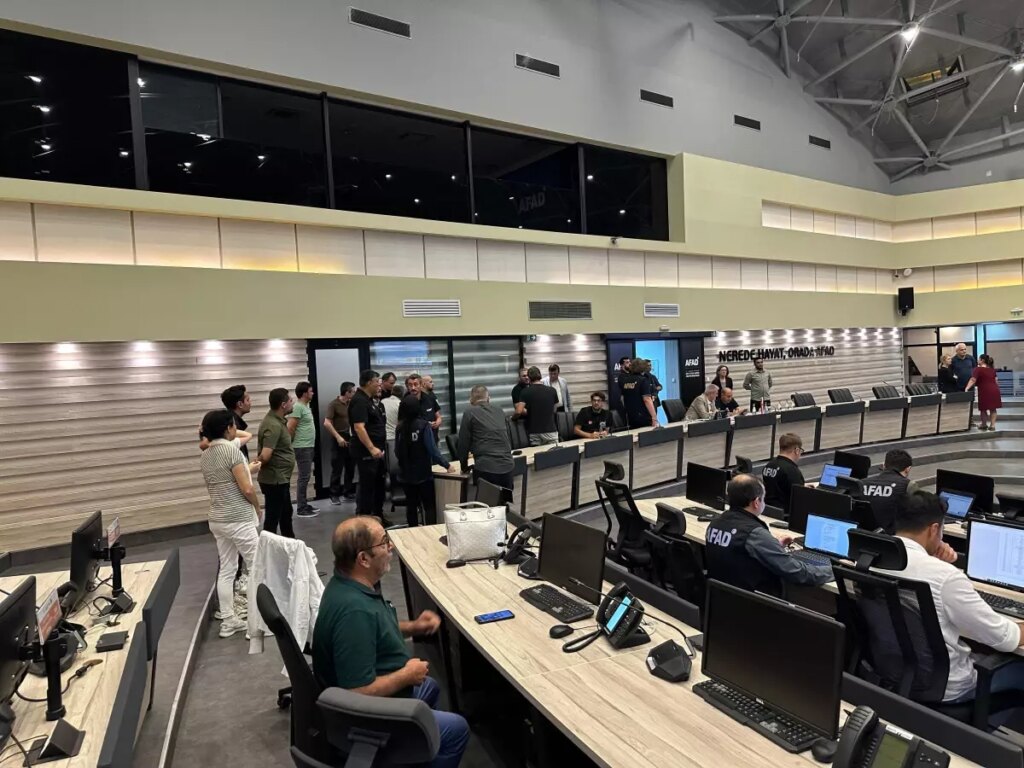
According to the Disaster and Emergency Management Authority (AFAD), Interior Minister Ali Yerlikaya and AFAD President Vali Ali Hamza Pehlivan arrived in the affected region shortly after the quake to oversee rescue and coordination efforts. Deputy Interior Ministers Münir Karaloğlu and Mehmet Aktaş headed the national-level coordination from AFAD’s Disaster Management Center in Ankara, bringing together representatives from all disaster response units to monitor developments and allocate resources.
Initial Impact and Aftershocks
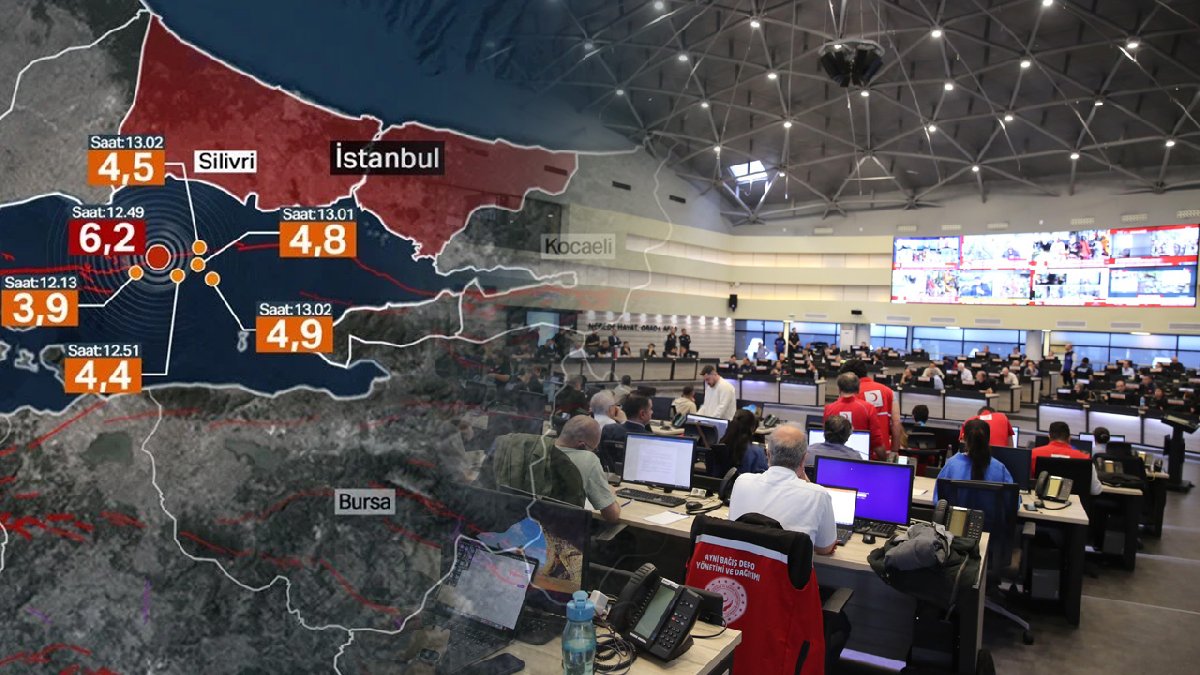
AFAD reported that the earthquake’s effects were most strongly felt in Balıkesir, İzmir, Manisa, and Istanbul. In the hours following the main tremor, the region experienced a total of 20 aftershocks — 15 of them between magnitudes 0 and 3.0, and five between magnitudes 4.0 and 5.0. These aftershocks further heightened public anxiety, forcing many residents to remain outdoors through the night.
Preliminary damage assessments indicated that in Sındırgı, one building collapsed entirely. Emergency crews successfully rescued four people alive from the debris, while operations continued to save another individual still trapped. Across the region, AFAD mobilized 319 personnel and 79 vehicles, including specialized search-and-rescue units equipped with seismic listening devices, thermal cameras, and trained rescue dogs.
Coordinated Emergency Management
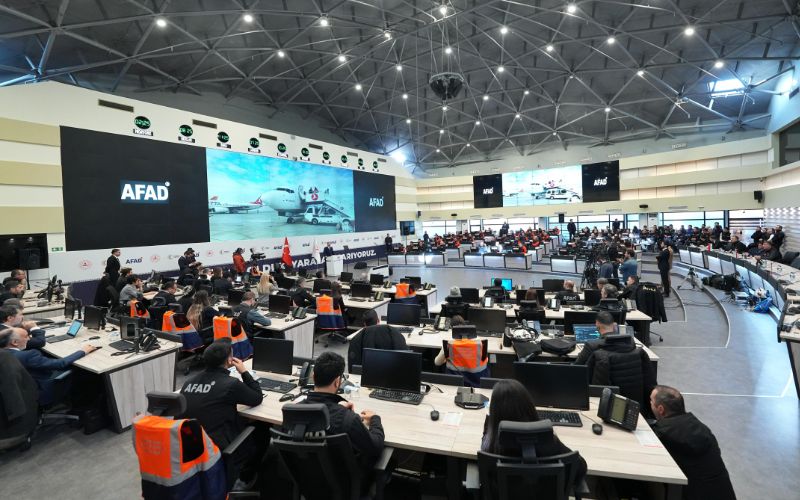
Under TAMP, Türkiye’s disaster response system is activated in a structured, multi-level approach that involves provincial governors, local municipalities, law enforcement, health services, and volunteer organizations. In this case, provincial Disaster Management Centers convened under the leadership of governors to coordinate field operations. The national command in Ankara maintained constant communication with local units to ensure that rescue teams, medical staff, and logistical support reached critical areas without delay.
The 112 Emergency Call Centers received 24 official reports of structural damage, though experts caution that the number may rise as ongoing building inspections progress. Damage assessment teams are conducting door-to-door checks to identify compromised structures and ensure residents are evacuated from unsafe buildings.
Search and Rescue Efforts
Search and rescue teams worked in challenging conditions as night fell, using floodlights and portable generators to illuminate collapsed sites. AFAD emphasized that time is critical in such operations, with the first 72 hours considered the “golden period” for finding survivors. Medical units were stationed near rescue zones to provide immediate treatment for injuries such as fractures, head trauma, and shock.
Volunteer participation also played a role, as local residents joined official teams in clearing rubble and offering shelter to those displaced. Food distribution points were set up, and temporary heating solutions were provided for those spending the night outdoors.
Public Safety Measures and Ongoing Risks
Authorities warned residents about the possibility of strong aftershocks in the coming days. AFAD urged people to avoid entering damaged buildings, to keep emergency supplies at hand, and to follow updates only from verified government channels to prevent the spread of misinformation.
Structural engineers began assessing public buildings, schools, and hospitals to determine safety before reopening. Critical infrastructure, including power lines, water supply systems, and telecommunication networks, was also checked for potential disruptions. While electricity and mobile services were quickly restored in most areas, contingency plans remain in place should aftershocks cause further outages.
Psychological and Social Effects
Beyond the physical damage, the quake left a deep psychological impact on residents. Many recalled memories of past disasters, such as the 1999 Marmara earthquake and the 2023 Kahramanmaraş earthquakes, which claimed tens of thousands of lives. Community centers and local NGOs began offering psychological first aid to help residents manage post-traumatic stress, anxiety, and sleep disturbances in the wake of the event.
In Sındırgı, where the tremor was most intense, families camped in open fields and parks to avoid sleeping inside buildings. The fear of aftershocks and the uncertainty of structural stability made outdoor shelters the preferred option for the night.
A Reminder of Türkiye’s Seismic Reality
This earthquake is yet another reminder of Türkiye’s vulnerability due to its location on multiple active fault lines. Seismologists have long warned that regions along the North Anatolian and East Anatolian Faults must maintain strict building codes and invest heavily in earthquake-resistant infrastructure. The Balıkesir event underscores the importance of rapid response systems like TAMP, which can mobilize resources and personnel within minutes.
Experts stress that preparedness is the most effective defense against earthquakes. Public awareness campaigns, school drills, and regular inspections of residential and commercial buildings are essential to reducing casualties in future events. The fact that TAMP was activated so swiftly demonstrates progress in Türkiye’s disaster readiness, but also highlights the continuous need for investment and community education.
Looking Ahead
As rescue operations continue, the focus will gradually shift toward recovery and rebuilding. Engineers will assess whether damaged buildings can be repaired or must be demolished. Authorities will also review the earthquake’s impact to refine response strategies for future incidents.
For now, the priority remains clear — saving lives, providing shelter, and ensuring that affected residents receive the physical and emotional support they need to recover. The resilience and solidarity shown by both officials and citizens serve as a powerful testament to Türkiye’s capacity to confront natural disasters with determination and unity.