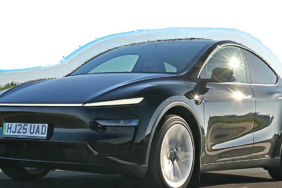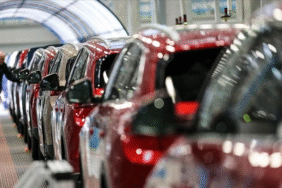

The automotive market in Türkiye is undergoing a period of significant transformation, especially within the used car segment. Consumer preferences, economic factors, and evolving payment systems are reshaping the way buyers and sellers approach transactions. While the demand for vehicles has always been a constant in a country with a growing population and vibrant transportation culture, recent patterns indicate a clear shift in priorities. Buyers are becoming increasingly selective, and the most sought-after cars today are between one and five years old, have low mileage, and are free from any accident history or repainting.
This change in preference reflects a broader trend toward quality and reliability in vehicle purchases. Consumers, facing economic uncertainty and fluctuating costs in other aspects of car ownership, are placing a premium on vehicles that offer long-term dependability without the burden of unexpected repair expenses.
The Rise in Demand for Premium Used Vehicles
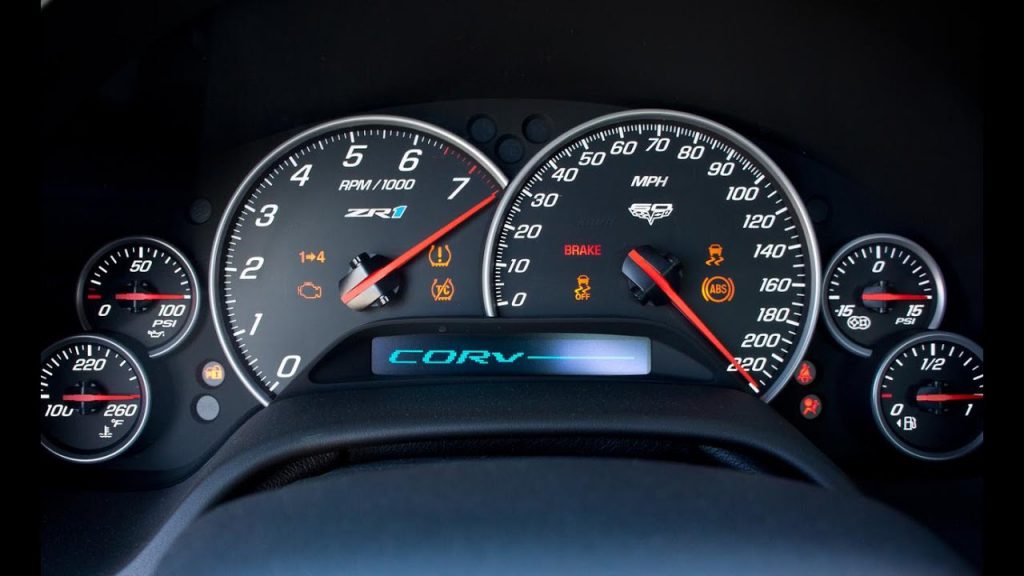
In the current market, potential buyers are avoiding cars that may require costly maintenance in the near future. Vehicles with hidden damage, incomplete service history, or signs of heavy wear are receiving less interest, as consumers prioritize peace of mind. Instead, higher-priced, newer-model vehicles—often from well-known brands—are emerging as favorites among discerning buyers.
Dealership owners confirm that the market for such vehicles remains strong despite the higher initial cost. For many consumers, the higher price is justified by lower maintenance needs, better resale value, and advanced features that improve both safety and comfort. These factors are particularly appealing in urban centers such as Istanbul, Ankara, and Izmir, where traffic density and daily commuting put vehicles to the test.
Who Is Buying in the Used Car Market
Industry experts estimate that around 60% of second-hand car sales in Türkiye are driven by people who already own a vehicle and want to replace it with a newer one. This group includes individuals seeking better fuel efficiency, enhanced technology, or simply a change in style. The remaining 40% of buyers are primarily those unable to find a suitable new car—either due to supply shortages or because new car prices exceed their budgets.
Over the past two years, global supply chain disruptions and semiconductor shortages have affected the availability of brand-new vehicles in Türkiye. As a result, many consumers who initially planned to buy new have shifted to the used market, particularly for models that are relatively new but priced more affordably than factory-fresh alternatives.
Diesel Models Maintain Strong Appeal
Although electric vehicles (EVs) have started to capture attention in Türkiye—especially among environmentally conscious consumers—many early adopters have returned to traditional fuel types, most notably diesel. Feedback from these users often cites limited charging infrastructure, inconsistent range performance, and higher-than-expected maintenance costs for EVs as reasons for the switch back.
For long-distance drivers, especially those living outside major metropolitan areas, diesel vehicles remain a practical choice due to their fuel efficiency and durability. Sellers confirm that well-maintained diesel cars are among the quickest to sell in today’s market, often attracting multiple offers within days of being listed.
Insurance and Comprehensive Coverage Costs Create Uncertainty
Beyond the purchase price, one of the most pressing challenges for car owners in Türkiye is the cost of traffic insurance and comprehensive coverage (kasko). Price volatility has created confusion and frustration among vehicle owners. Reports from the field show that policy quotes can change dramatically within hours. For example, a driver might receive a quote of 30,000 TL for their kasko policy in the morning, only to see that figure rise to 40,000 TL by the afternoon.
When original manufacturer parts are factored into the coverage, costs can climb as high as 50,000 TL. This unpredictability is prompting some owners to forgo comprehensive insurance altogether, a decision that carries significant financial risk in the event of an accident.
Insurance experts point out that this volatility is partly due to inflationary pressures on repair and parts costs, as well as the fluctuating exchange rates that impact the import of replacement components. While industry regulators are aware of the situation, no immediate solution has been implemented, leaving vehicle owners to navigate the uncertainty on their own.
Payment Flexibility Boosts Sales
One positive development for the used car market is the recent expansion of credit card installment options for vehicle purchases. This has made it easier for buyers to manage the cost of high-value transactions, enabling more people to consider upgrading to a newer car. Dealers report that installment plans are particularly popular among younger buyers who may not have large amounts of liquid savings but can commit to regular monthly payments.
Despite this boost, rising operational and acquisition costs have cut into dealer profit margins, with many reporting returns of just 2-3% per sale. This tight margin is pushing sellers to focus on volume rather than high per-unit profits, which in turn keeps more vehicles circulating in the market.
Budget Limitations and Market Realities
While a significant portion of buyers express interest in vehicles priced above 1 million TL, the reality is that few can afford to complete such purchases without compromise. Many begin their search with a target model in mind but end up selecting a slightly older or less-equipped version to fit their budget.
Even so, market activity remains higher than last year. This increase is partly attributed to the lingering effects of previous new car shortages and the perception that vehicle ownership remains a stable investment in a fluctuating economy. In some cases, buyers see cars not just as a means of transportation but also as an asset that can retain value better than certain other investments.
Regional Variations in Demand
Demand patterns in Türkiye’s used car market vary by region. In large cities like Istanbul and Ankara, compact and mid-sized sedans are popular due to heavy traffic and limited parking space. In contrast, buyers in smaller cities and rural areas tend to favor SUVs and pickup trucks, which are better suited to long distances and varied road conditions.
Coastal regions with strong tourism industries also see demand spikes during the summer months, as rental companies and seasonal workers look to acquire additional vehicles for short-term use.
The Road Ahead for the Used Car Market
Looking forward, industry observers predict that the trend toward low-mileage, accident-free cars will continue, with buyers showing increasing interest in vehicles that combine fuel efficiency, reliability, and modern features. Diesel models are expected to remain strong sellers, although improvements in Türkiye’s EV infrastructure could eventually shift the balance toward electrification.
Policy stability in the insurance sector will be crucial for sustaining market confidence. If volatility in traffic insurance and kasko prices can be reduced, more buyers may feel secure enough to invest in higher-value vehicles. Likewise, continued availability of installment-based payment options will help maintain momentum in the market.
A Balancing Act Between Quality and Affordability
The Turkish used car market is walking a fine line between consumer demand for high-quality, low-risk vehicles and the economic realities that limit purchasing power. Sellers who can source and offer the most desirable models—while providing transparent service histories and competitive financing—are likely to remain successful.
For buyers, the current environment requires careful research, patience, and sometimes compromise. The best deals are often found by acting quickly when a suitable vehicle becomes available, especially in popular categories like one-to-five-year-old diesel sedans or SUVs.
In the end, the market’s resilience reflects the central role of personal transportation in Türkiye’s economy and daily life. Even as trends evolve and challenges persist, the country’s appetite for reliable and well-maintained vehicles shows no sign of slowing.