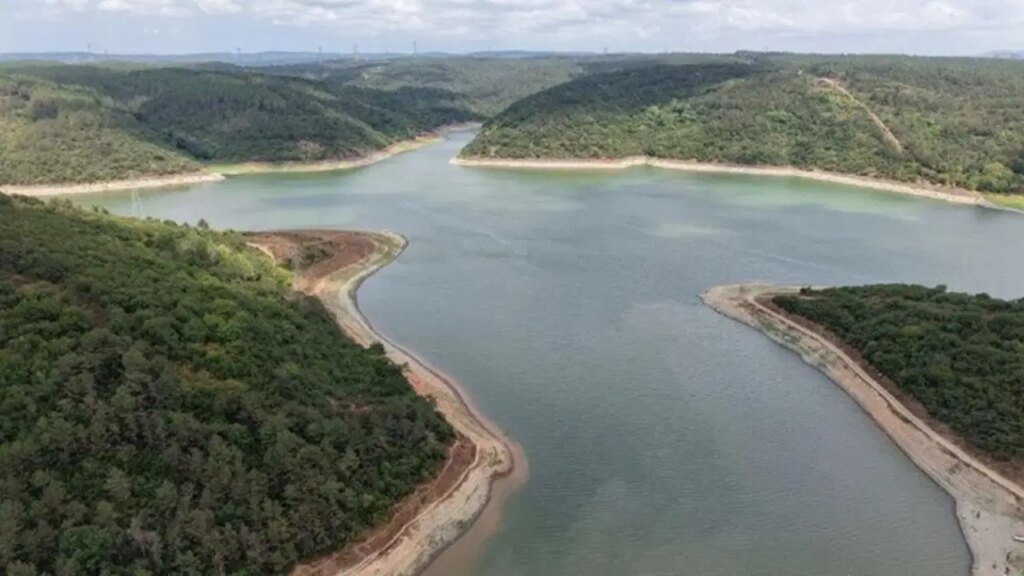

On August 11, 2025, the Istanbul Water and Sewerage Administration (İSKİ) released its latest figures on the city’s dam water levels, showing that the ten main reservoirs supplying water to Türkiye’s largest metropolis are collectively at 48.69% capacity. While this figure is not alarmingly low, it remains below the levels typically desired for this time of year, and experts warn that continued dry conditions could create pressure on the city’s water system in the coming months.
The Dam-by-Dam Breakdown
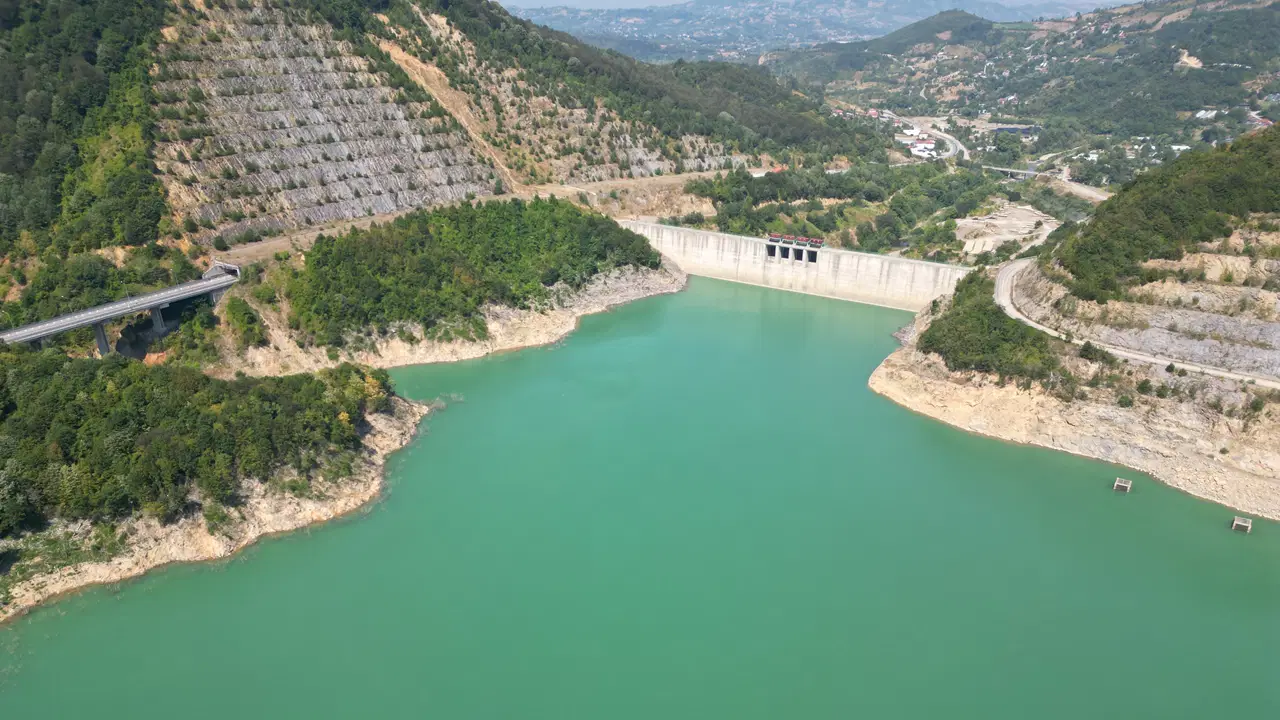
The city’s water resources come from a combination of large reservoirs spread across both the European and Asian sides of Istanbul. The August 11 measurements provide a detailed picture of the current situation:
Ömerli Dam – 47.9%
Darlık Dam – 60.34%
Elmalı Dam – 67.04%
Terkos Dam – 53.87%
Alibey Dam – 32.42%
Büyükçekmece Dam – 48.28%
Sazlıdere Dam – 42.26%
Istrancalar Dam – 27.45%
Kazandere Dam – 35.78%
Pabuçdere Dam – 42.13%
Elmalı Dam currently holds the highest water level at 67.04%, while Istrancalar Dam has the lowest at 27.45%, reflecting both regional rainfall differences and consumption demands on each reservoir.
Seasonal Trends and Rainfall Impact
Istanbul’s water supply has always been influenced by seasonal weather patterns, but the past few years have brought notable fluctuations. Winter and spring rains traditionally replenish the reservoirs, while summer heat drives up demand and increases evaporation losses.
This year, meteorological data indicates lower-than-average rainfall in both winter and summer, which has directly impacted storage levels. Extended dry spells in July and early August have meant that inflow into the dams has been minimal, while daily consumption has remained high due to household, industrial, and agricultural needs.
Why Dam Levels Matter
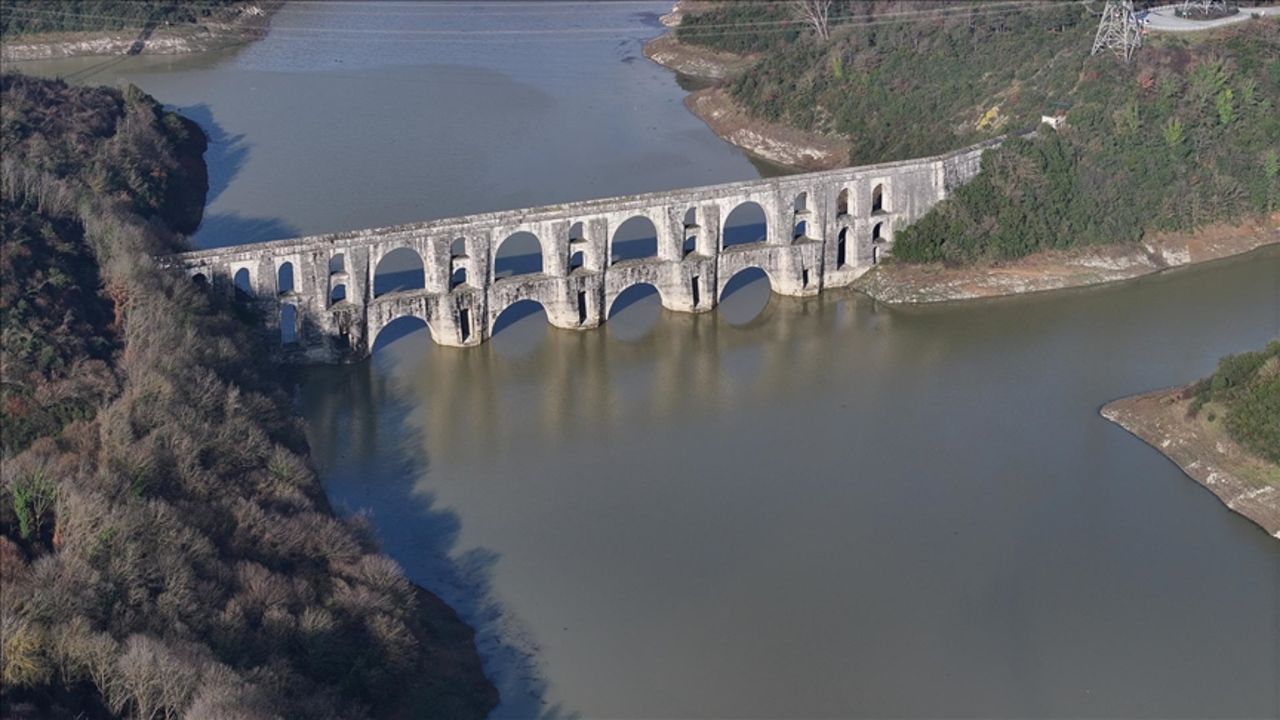
A 48.69% overall capacity might seem adequate at first glance, but water management experts stress that Istanbul’s consumption rates mean these reserves can drop quickly if rainfall remains scarce. On peak summer days, the city consumes millions of cubic meters of water, and without adequate inflows, levels can decline by one percentage point or more in just a few days.
Reservoir levels are also crucial for planning water transfer operations from neighboring basins. When local dams are low, İSKİ increases reliance on inter-basin pipelines, which carry additional operational costs and energy requirements.
The Role of Each Dam in the System
Each reservoir plays a unique role in the city’s water network:
Ömerli and Darlık are major suppliers for the Asian side, benefiting from relatively stable inflow patterns.
Elmalı, though smaller, serves as a high-quality source with efficient distribution channels.
Terkos is a key provider for the European side, historically crucial during dry periods.
Alibey, Büyükçekmece, and Sazlıdere often fluctuate significantly in capacity, influenced by local rainfall variability.
Istrancalar, Kazandere, and Pabuçdere are smaller reservoirs that can experience sharp drops in volume, especially during heatwaves.
By diversifying supply sources, İSKİ ensures that no single dam’s depletion can cripple the entire system.
Climate Change and Long-Term Challenges
One of the biggest concerns for Istanbul’s water future is the effect of climate change on rainfall distribution. Meteorological studies indicate that the Marmara region may see longer dry seasons, more intense rainfall events, and higher average temperatures. These conditions reduce the predictability of reservoir replenishment and increase evaporation rates.
Urbanization further complicates the situation. Expanding residential and commercial developments increase water demand while reducing natural watershed areas that help feed the reservoirs. This means that even during heavy rains, less water makes its way into dam catchment areas, as it is absorbed by paved surfaces and stormwater systems instead.
İSKİ’s Response and Infrastructure Projects
To address these challenges, İSKİ has been investing in several initiatives:
Inter-basin transfers: Pipelines connecting Istanbul to water-rich basins in nearby provinces help supplement supply during dry periods.
Pipeline modernization: Reducing leaks and inefficiencies in the distribution network is a major cost-saving and water-saving measure.
Reservoir capacity expansion: Efforts are underway to increase the storage capabilities of existing dams through dredging and wall height adjustments.
Water quality protection: Pollution prevention measures in catchment areas ensure that stored water remains safe for treatment and consumption.
Public Awareness and Water Conservation
İSKİ has also emphasized the role of residents in water security. Simple behavioral changes can collectively have a major impact on consumption levels, such as:
Limiting shower times and avoiding unnecessary water use.
Repairing leaks in household plumbing.
Using water-efficient appliances.
Avoiding watering gardens or washing cars during peak heat hours.
In recent years, public campaigns have highlighted that water scarcity is not just a rural issue—urban centers like Istanbul are equally vulnerable.
Potential Scenarios for the Coming Months
If the autumn rainy season arrives on time and delivers normal precipitation levels, reservoir levels could rebound before winter. However, if rains are delayed or weaker than expected, the city could enter the colder months with below-average reserves, increasing vulnerability if winter is also dry.
Authorities are preparing for both scenarios. In the worst case, stricter water management measures could be introduced, including pressure reductions, temporary supply cuts in low-priority areas, or targeted restrictions on industrial usage.
Comparisons with Previous Years
Historical records show that Istanbul’s reservoirs have dipped below 30% during past drought periods, most recently in the mid-2010s, prompting emergency measures and water transfer projects. In contrast, wet years have seen storage levels near full capacity, highlighting the volatility of the system.
The current 48.69% is lower than the average for August in recent decades, though still far from the most critical levels recorded. This underscores the importance of constant monitoring and adaptive management.
Looking Ahead: Building Resilience
Istanbul’s water security will increasingly depend on a combination of infrastructure investment, efficient management, and public cooperation. Beyond dams and pipelines, experts recommend greater emphasis on alternative water sources, such as:
Rainwater harvesting systems in urban buildings.
Greywater recycling for non-potable uses.
Desalination projects, though costly, for long-term backup supply.
Equally important is the preservation of natural catchment areas, reforestation efforts, and sustainable urban planning to ensure that the reservoirs can continue to capture and store enough water for the city’s needs.
Conclusion
As of August 11, 2025, Istanbul’s reservoirs are at just under half capacity, a figure that calls for cautious optimism. While the situation is not yet critical, it reflects underlying vulnerabilities in the city’s water system, particularly in the face of changing climate patterns and rising demand.
With the combined efforts of İSKİ, local government, and the public, Istanbul can navigate the rest of the dry season without severe shortages. However, the coming months will be crucial in determining whether the city enters winter with comfortable reserves or faces renewed pressure on its water supply.
For now, the message from İSKİ remains clear: water is a finite resource, and every drop counts.