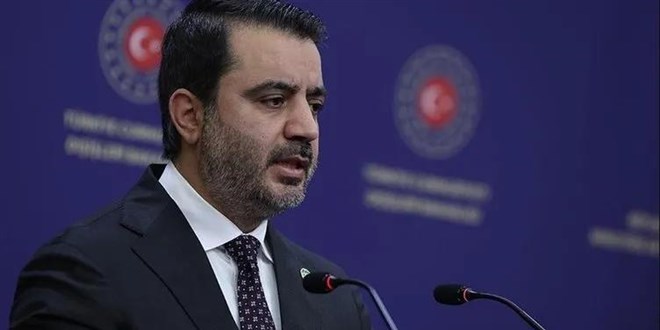

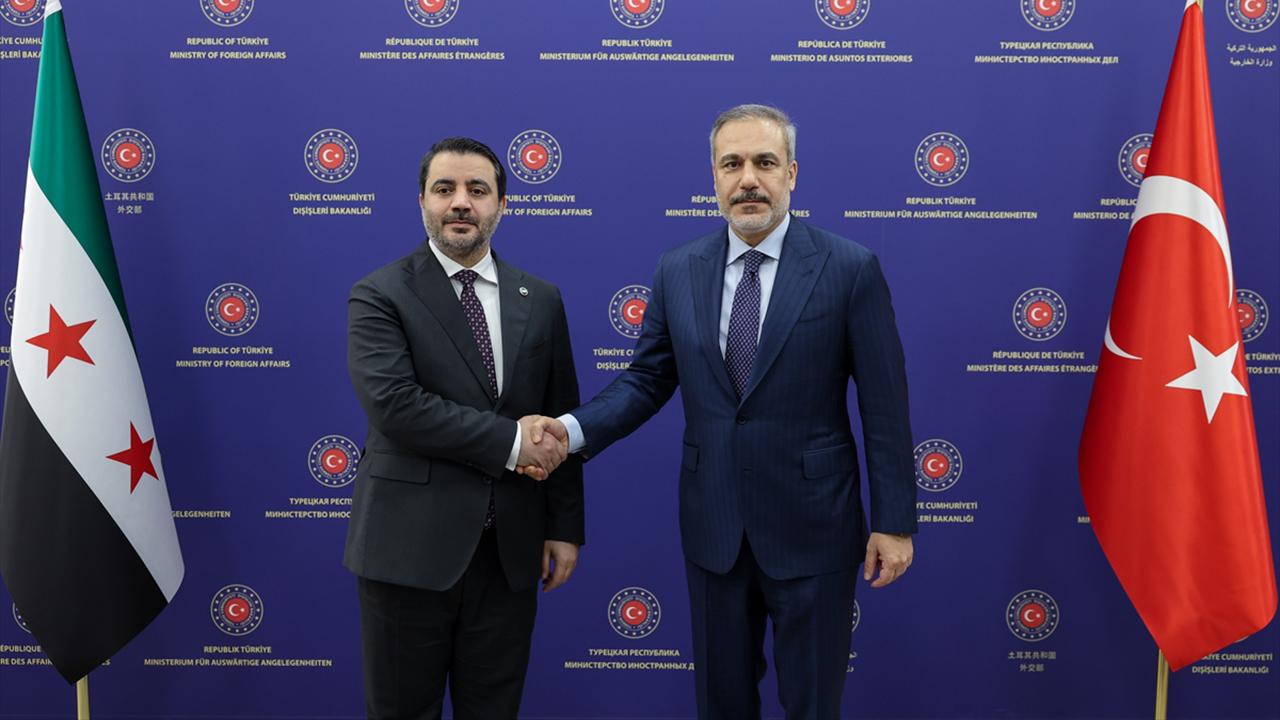
In a significant development for regional diplomacy, Türkiye’s Ministry of Foreign Affairs has officially announced the upcoming visit of Syria’s Foreign Minister, Esad Hasan Shaybani. The visit, scheduled for August 13, 2025, marks a pivotal moment in the ongoing normalization process between Türkiye and Syria. As tensions across the Middle East continue to fluctuate, this diplomatic engagement reflects a strategic recalibration in bilateral relations and may pave the way for further collaboration on security, trade, and refugee concerns.
A Visit with Deep Political Implications
The announcement came via a brief yet notable statement from Türkiye’s Foreign Ministry, confirming Shaybani’s official trip to Ankara. While the statement was concise, diplomatic observers across the region have interpreted this visit as more than just a routine meeting. The fact that Türkiye is hosting the Syrian Foreign Minister highlights a shifting tone in regional policy after more than a decade of strained relations fueled by the Syrian conflict and its complex geopolitical ramifications.
Türkiye has played a key role in the Syrian crisis since the outbreak of the civil war in 2011. From hosting millions of Syrian refugees to supporting opposition groups, Ankara’s approach to Damascus has been multifaceted and, at times, adversarial. In recent years, however, signs of rapprochement have emerged, facilitated by changing power dynamics, regional realignments, and shared security concerns such as terrorism and border integrity.
What This Visit Symbolizes for Türkiye
The timing of this visit is particularly symbolic. Coming at a time when Türkiye is seeking to redefine its regional diplomacy through dialogue and reconciliation, the engagement with Syria signals a pragmatic approach to regional issues. Türkiye’s leadership has repeatedly emphasized the need for regional solutions to regional problems. In this context, hosting Syria’s top diplomat may signal Ankara’s intent to foster dialogue rather than confrontation.
This shift is also consistent with Türkiye’s broader foreign policy strategy, which has recently included normalization efforts with Egypt, Saudi Arabia, the United Arab Emirates, and Israel. With economic pressures mounting and geopolitical alliances shifting, Türkiye’s recalibration aims to reduce tensions, expand trade routes, and play a more active role as a mediator in the region.
Key Issues Likely to Be Addressed
While no detailed agenda has been officially disclosed, analysts speculate that the talks may include a broad range of strategic and humanitarian topics. Among the most pressing issues are the following:
Border Security and Counter-Terrorism Cooperation
Türkiye and Syria share a long and historically sensitive border. Over the past decade, cross-border operations, the presence of various armed groups, and terrorist threats have created ongoing tensions. This visit may open channels for renewed security dialogue to address mutual concerns, including potential joint mechanisms to counter terrorism and stabilize the border.
Refugee Repatriation and Humanitarian Coordination
Türkiye currently hosts nearly 3.2 million Syrian refugees, making it the largest refugee-hosting country in the world. The topic of voluntary and safe refugee returns is expected to be central to the conversation. With growing public debate and political pressure inside Türkiye regarding the long-term status of Syrian refugees, any bilateral progress in this area would have considerable social and political implications.
Reconstruction and Economic Collaboration
Although Syria’s economy remains fragile and heavily impacted by years of conflict and sanctions, there is growing international discourse on post-war reconstruction. Türkiye’s construction, logistics, and energy sectors may find new opportunities for engagement if relations continue to thaw. This would, of course, depend on further political stability and broader international backing.
Normalization in the Context of Global Diplomacy
The Shaybani visit comes amid a broader trend of regional normalization following a decade of upheaval in the Middle East. From Gulf state reconciliation to shifting alliances in response to global powers like Russia, China, and the United States, regional actors are increasingly engaging in pragmatic diplomacy. For Türkiye and Syria, this engagement could eventually involve third-party mediation, possibly facilitated by regional powers such as Iran, Russia, or even the Arab League.
Notably, previous trilateral talks including Türkiye, Russia, and Iran have often addressed the Syrian crisis from a security lens. However, bilateral dialogues such as this one could create more direct and tailored outcomes for both sides, free from larger power dynamics.
Public and International Reactions
Reactions to the announced visit have been mixed. Some domestic commentators in Türkiye see it as a necessary and constructive step forward, particularly in managing the refugee issue and easing tensions along the southern border. Others remain skeptical, questioning whether the visit alone can result in substantive change given the complexity of the Syria conflict and the mistrust that remains between the two governments.
Internationally, the visit has drawn interest from both regional powers and Western observers. The United Nations and European Union, which have been heavily involved in humanitarian efforts in Syria, may see the visit as an opportunity for greater coordination and progress on the ground.
A Careful Balancing Act for Ankara
Türkiye faces a delicate balancing act. While seeking better ties with Damascus, it must also manage relationships with Syrian opposition groups, NATO allies, and regional stakeholders. Any perceived shift in Türkiye’s Syria policy will be closely monitored not only within the country but also in Washington, Brussels, and beyond.
Yet Türkiye has shown it is capable of pursuing a multi-vector foreign policy, engaging with multiple actors while keeping its core interests intact. In this sense, the Shaybani visit is not just about Syria, but also a test of Türkiye’s evolving diplomatic identity.
Could This Visit Spark Real Change?
While symbolic in nature, the real value of this diplomatic encounter will depend on follow-up actions. Will this be a one-time visit, or the start of a formalized diplomatic channel? Will concrete agreements be signed? Will it lead to restored embassies, formal trade ties, or joint security arrangements?
These questions remain unanswered. However, the visit alone is a meaningful signal in a region often dominated by zero-sum thinking and prolonged standoffs. A single visit won’t resolve a decade of discord, but it may offer a stepping stone toward sustainable dialogue.